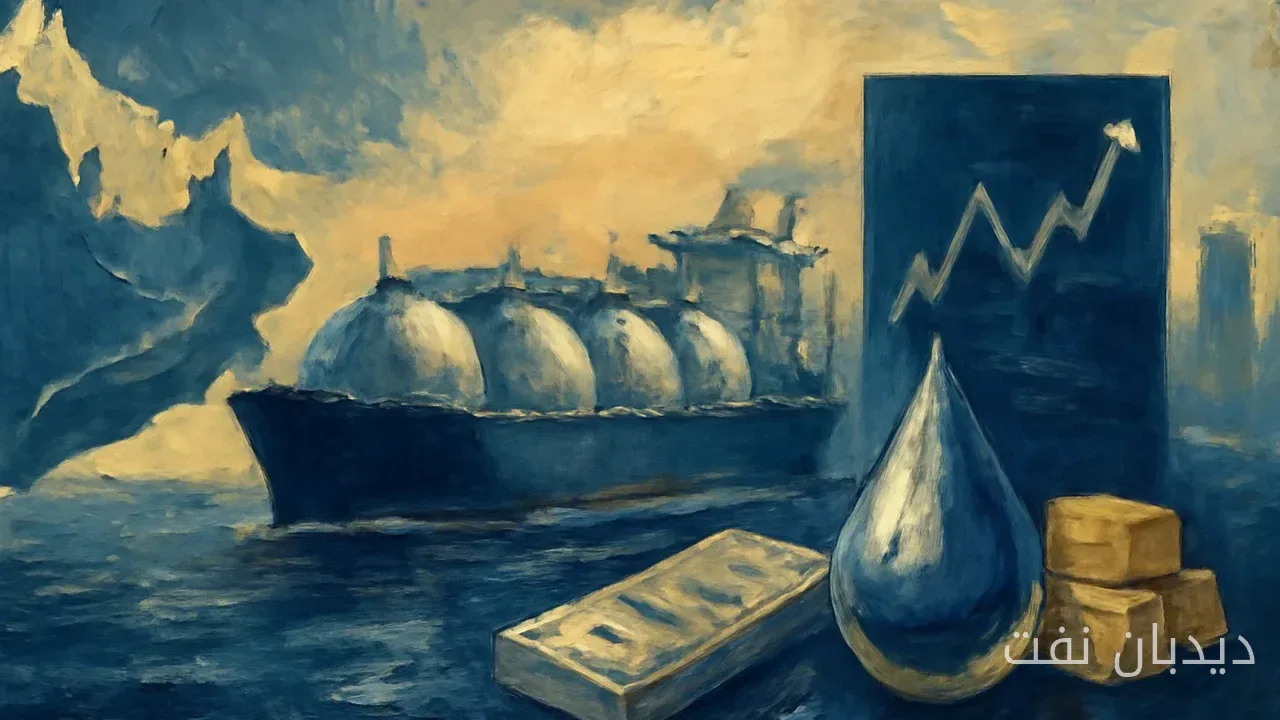
In September 19 (September 28, 1405), liquefied natural gas shipments from the Strait of Hormuz reached their highest level since the beginning of the war between the United States and Israel with Iran. These shipments were primarily loaded from Qatar and the United Arab Emirates, and the significance of this matter relates to the key role of the Strait of Hormuz as one of the main energy export routes in the world.
The Strait of Hormuz and Its Impact on the Energy Market
The Strait of Hormuz, as a strategic waterway, transports nearly half of the world's liquefied natural gas to international markets. Qatar, which is one of the largest exporters of liquefied gas, is heavily dependent on this route. Any changes in the flow of ships in this area can have significant effects on energy prices in global markets.
Read more: Pakistan Seeks to Buy or Lease New Oil Tanker to Solve Transportation Challenges
Passage of Shipments and Identification Challenges
Liquefied natural gas, which is converted to liquid through extreme cooling, is suitable for transport by ship. Importing countries, especially in Asia and Europe, rely on these shipments for electricity generation and heating. An increase in the passage of shipments means more supply to these markets and could alleviate some of the pressure on energy prices.
It is noteworthy that data shows many of these ships have been operating with their tracking systems turned off. This system, known as a "transponder," instantaneously reports the ship's location to others. Turning off this system is done to reduce the risk of detection in high-tension routes.
Despite this increase, analysts have expressed concerns about maintaining this level of exports. The likelihood of renewed tensions in the region seems to pose a risk to this trend. Therefore, the gas supply route from the Strait of Hormuz will remain one of the main variables in the energy market and, consequently, global inflation.
Read more: Japanese Shipowners Call for Fundamental Reforms in Tonnage Tax System · Kpler Reports Full Recovery of Oil Exports from Gulf Arab Countries