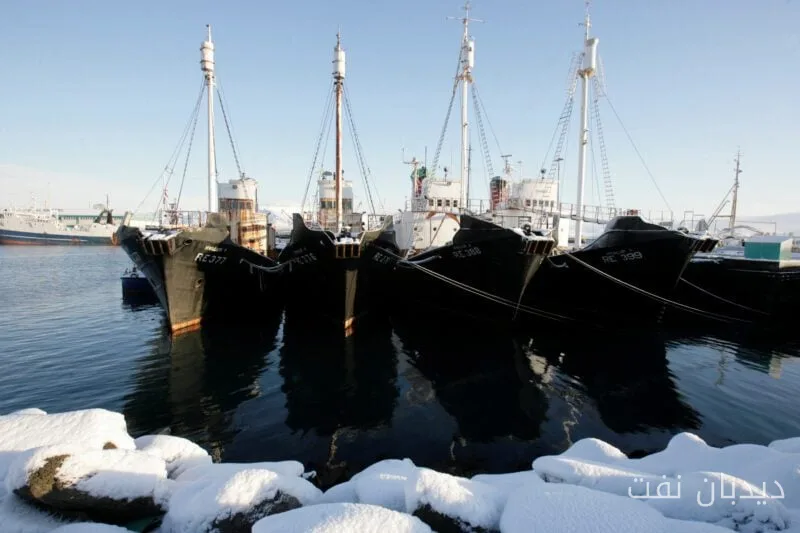
Hvalur, the last remaining company in Iceland engaged in whaling, reacted to the threat posed by the government of this country regarding a permanent ban on this practice, stating that it is likely capable of facing this challenge.
History of Whaling in Iceland
The Icelandic government announced last week that it would present a bill to parliament in February for a permanent ban on whaling. This decision could lead to the end of the whaling industry in Iceland, one of the three countries that still continue this practice. The other two countries are Norway and Japan.
Jöran Loftsson, the manager of Hvalur, stated in an interview that various bills to ban whaling have been discussed in parliament over the past decades, but none have reached a conclusion. He also added, "I believe there is good support for whaling in Iceland."
Performance and Impacts of Whaling
A similar bill to ban whaling was presented to the Icelandic parliament in October 2023, but this bill also did not lead to legal outcomes. Hvalur currently operates with two whaling boats and employs about 150 people during the whaling season, which lasts from early June to late September.
So far this season, Hvalur has successfully hunted 85 fin whales, while the company’s quota is set at 150 whales. Public opinion on whaling in Iceland remains divided. According to a report from RUV television network, 41 percent of Icelanders oppose this practice, while one-third support it, and 26 percent are neutral.
Fin whales, which are the second largest animals on earth and the primary target of Iceland's whaling industry, are classified as "vulnerable" by the International Union for Conservation of Nature (IUCN). However, in the North Atlantic, this species is considered "least concern" and their population is healthy enough to withstand managed hunting.