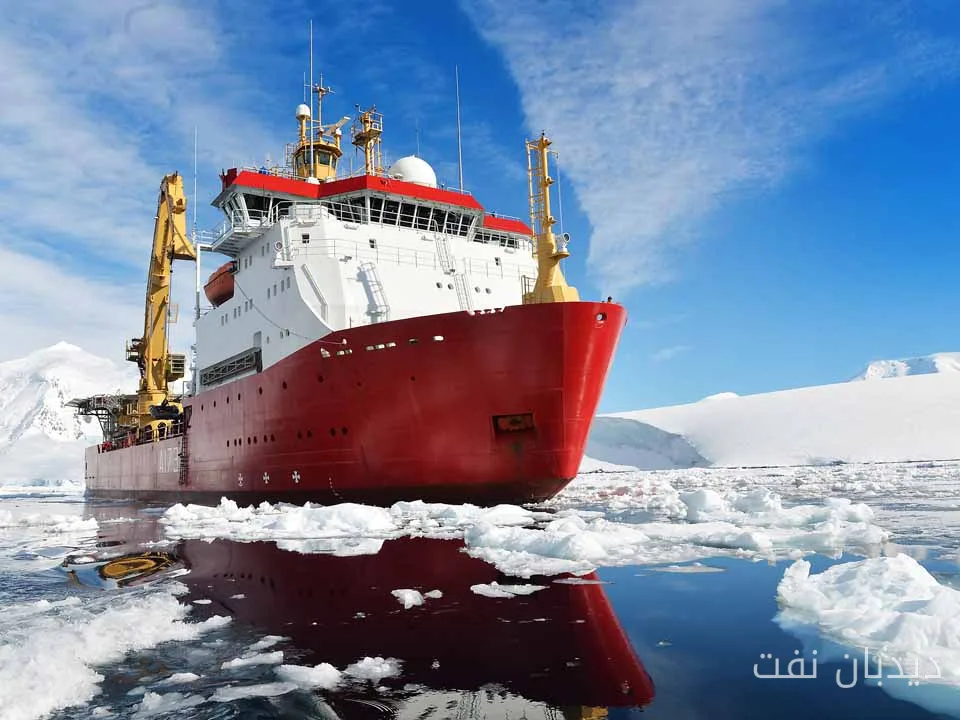
HMS Protector, the only ice patrol ship of the Royal Navy, has been transferred from Teesside to Devonport due to a technical fault. This action has raised concerns about the UK's ability to maintain a naval presence in polar regions while the government is working on replacing this ship.
Transfer to Devonport and Technical Fault
The HMS Protector was transferred to Devonport under the supervision of commercial vessels, with Serco Marine Services responsible for its transfer near the port. The Royal Navy has stated that the ship has returned to its home port for investigations into the technical fault. The nature of the problem, extent of the damage, and repair outlook have not been publicly specified, but British media have reported that the ship has suffered from a "dual engine failure."
Read more: Iran Officially Protests to IMO Regarding US Military Abuse of Channel 16
Concerns About the Ship's Condition
Former officers of the Royal Navy have expressed concerns about the condition of the ship's main engines, while rumors suggest a possible connection to recent maintenance. However, none of these claims have been officially confirmed. HMS Protector, built in Norway in 2001 and leased to the Royal Navy in 2011 as a temporary replacement for HMS Endurance, was fully purchased in 2013.
The ship is typically deployed to the Southern Ocean during the polar ice season and conducts hydrographic surveys, supports research stations, and performs inspections under the Antarctic Treaty. It also has the responsibility of conducting fishing patrols in the Southern Ocean. A prolonged unavailability of this ship or a decision for its early retirement could leave the Royal Navy vulnerable at a time when the UK is seeking to maintain its presence in both the Arctic and Antarctic.
Impact on the Royal Navy
This situation draws comparisons to HMS Endurance, which suffered a major flooding incident in the Strait of Magellan in December 2008 and never returned to service. The UK Ministry of Defence subsequently shelved plans to refurbish the ship, which was destroyed in Turkey in 2016. Since then, the Royal Navy has been without an ice patrol vessel for several Antarctic seasons.
On the other hand, the British Antarctic Survey operates its research and logistics vessel named RRS Sir David Attenborough, which can assist in continuing scientific operations and resupplying research stations. However, this ship does not directly replace the military patrolling functions, hydrographic surveying, and government inspections performed by HMS Protector.
This uncertainty comes as the UK Ministry of Defence is preparing to replace HMS Protector with a more modern vessel intended to support operations in the Arctic as well as around British territories in Antarctica. In a parliamentary response on September 15, Defence Minister Luke Pollard stated that decisions regarding the procurement method and timing of the replacement will be made soon.
The engineering challenges faced by older icebreakers are not limited to the UK. For example, the USCGC Healy also experienced a propulsion engine fire in 2020, requiring the damaged engine to be replaced and forcing it to cancel its deployment to the Arctic. The ship also suffered another fire that disrupted its patrol operations in 2024.
Read more: Limitations of US and Israeli Air Power in the Iran War · Ban on Healy Icebreaker Operations Impact on US Navy in the Arctic