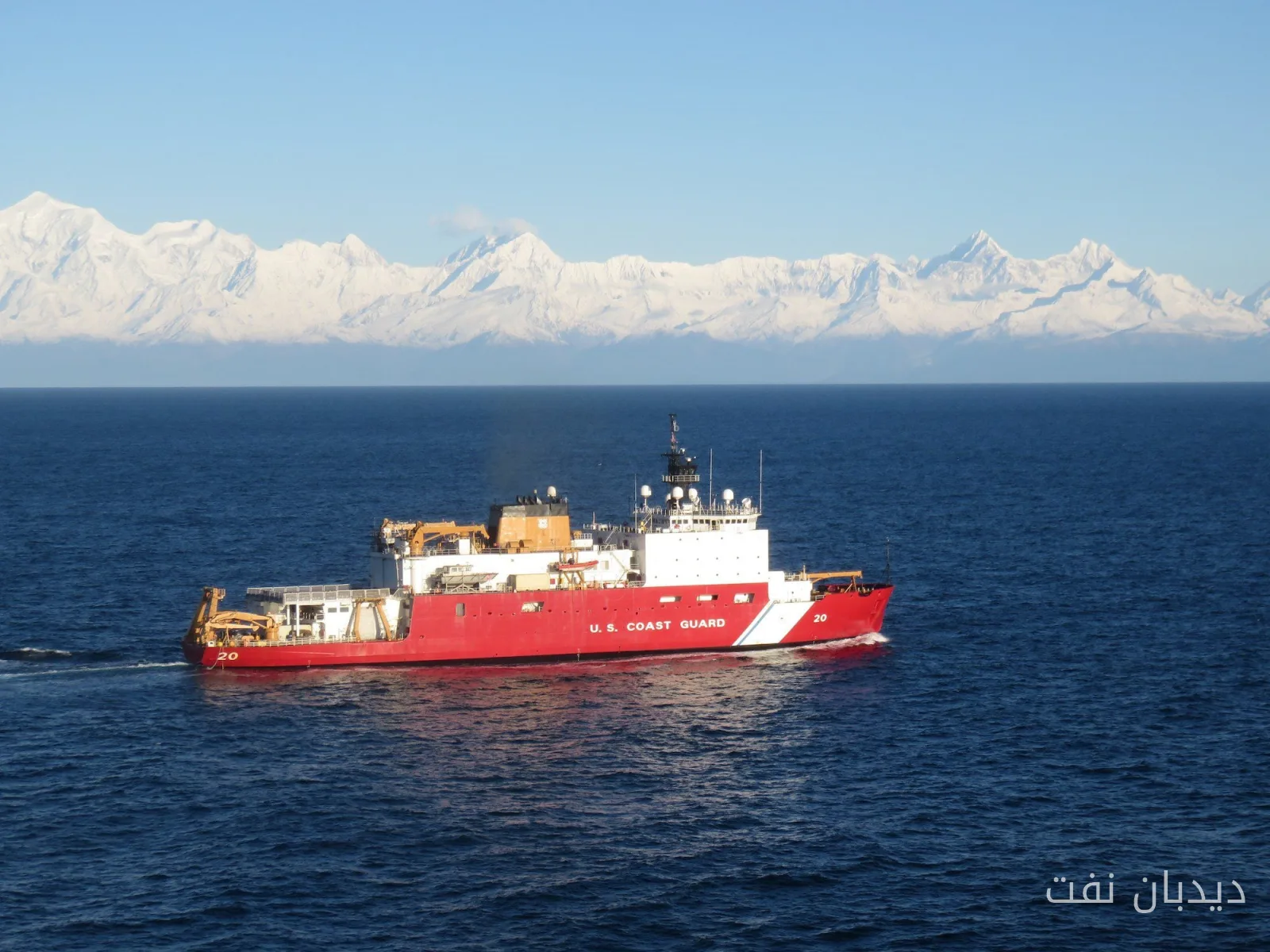
The Healy icebreaker (WAGB-20) has been unable to continue its planned missions in the Arctic due to a serious engineering incident that occurred on July 13, 2023. Currently located in Seattle, this vessel, as one of the primary icebreakers of the U.S. Navy, played a key role in scientific and monitoring operations in Arctic waters.
Details of the Incident and Impact on Missions
The incident relates to an explosion in one of Healy's diesel engines that occurred during sea trials following repairs. This incident not only halted planned missions for the summer of 2026 but also forced the U.S. Navy to rely more on its other icebreakers during this active Arctic season.
According to Navy officials, investigations into the cause of this incident are ongoing, and repair plans are being designed. While Healy is unable to carry out its missions due to this incident, the Storis icebreaker, which was commissioned in 2025, has resumed operations in Alaska and polar regions.
Chinese Research Vessels Activities and U.S. Response
Meanwhile, China has sent two research vessels named Xue Long and Xue Long 2 northward through the Bering Sea during the summer. The U.S. Navy deployed the national security cutter Munro to the area to monitor these activities. This vessel is monitoring the movements of Chinese ships in the United States' exclusive economic zone and on the extended continental shelf of the United States.
The operations of Xue Long include 12 ice station operations north of 82 degrees and the deployment of over 30 ice buoys to collect data on sea ice movement and ocean conditions. These activities are closely monitored by the United States and Canada, with the Storis and HMCS Max Bernays vessels observing the movements of Xue Long for several weeks.
Foreign forces are allowed to transit through the United States' exclusive economic zone under international law, but marine scientific research in this area requires prior permission from the United States.
Challenges and Future of the U.S. Icebreaker Fleet
The Healy, commissioned in 1999, has supported scientific research and U.S. operations in remote Arctic Ocean locations for over two decades. This vessel reached the Arctic for the third time in September 2022 and is recognized as the first U.S. surface vessel to reach 90 degrees north without the accompaniment of other ships.
However, Healy has faced recurring engineering challenges. A fire in its propulsion engine led to the cancellation of missions in 2020, and another fire in the engine room disrupted the summer 2024 mission. Given the repeated setbacks, the U.S. icebreaker fleet needs to construct a new generation of designed icebreakers.
The construction of the first Arctic security icebreaker in Finland began in June 2023, and the first new icebreaker is expected to be commissioned in 2028. Heavy icebreaker programs are also facing significant delays, with recent assessments indicating that the first ship will be delivered in March 2033.
Read more: Iran Has Gained Greater Control Over the Strait of Hormuz and Bab-el-Mandeb · Sleep Disorders; A Warning Sign for Alzheimer's