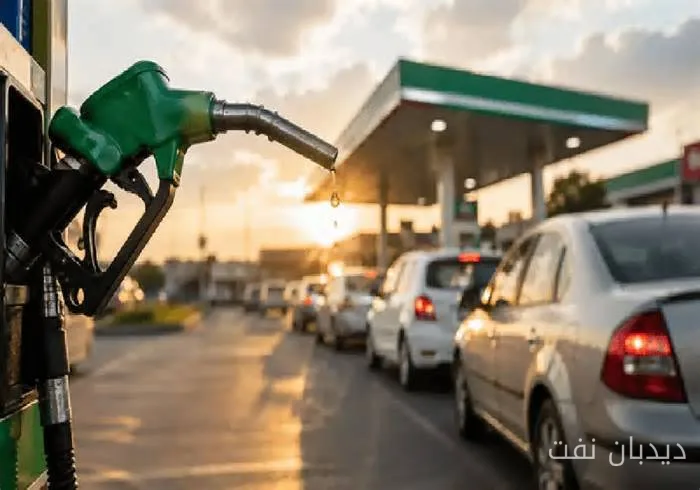
Hamidreza Salehi, the head of the Energy Export Federation, considered the reform of energy carrier prices as an inevitable necessity to compensate for the imbalance and shortage of gasoline in the country. He emphasized that this reform requires building trust in society and bridging the communication gap between the people and the government.
The Need for Trust-Building and Transparency in Price Reforms
Salehi pointed out that the reform of gasoline prices must be carried out with trust-building, stating: "People need to know where the revenue from these reforms will go so that they can cooperate accordingly." He also added that without the trust of the people, even the best economic policies will face resistance.
Read more: Decrease in Gasoline Consumption Behavior in the First Week After Price Increase
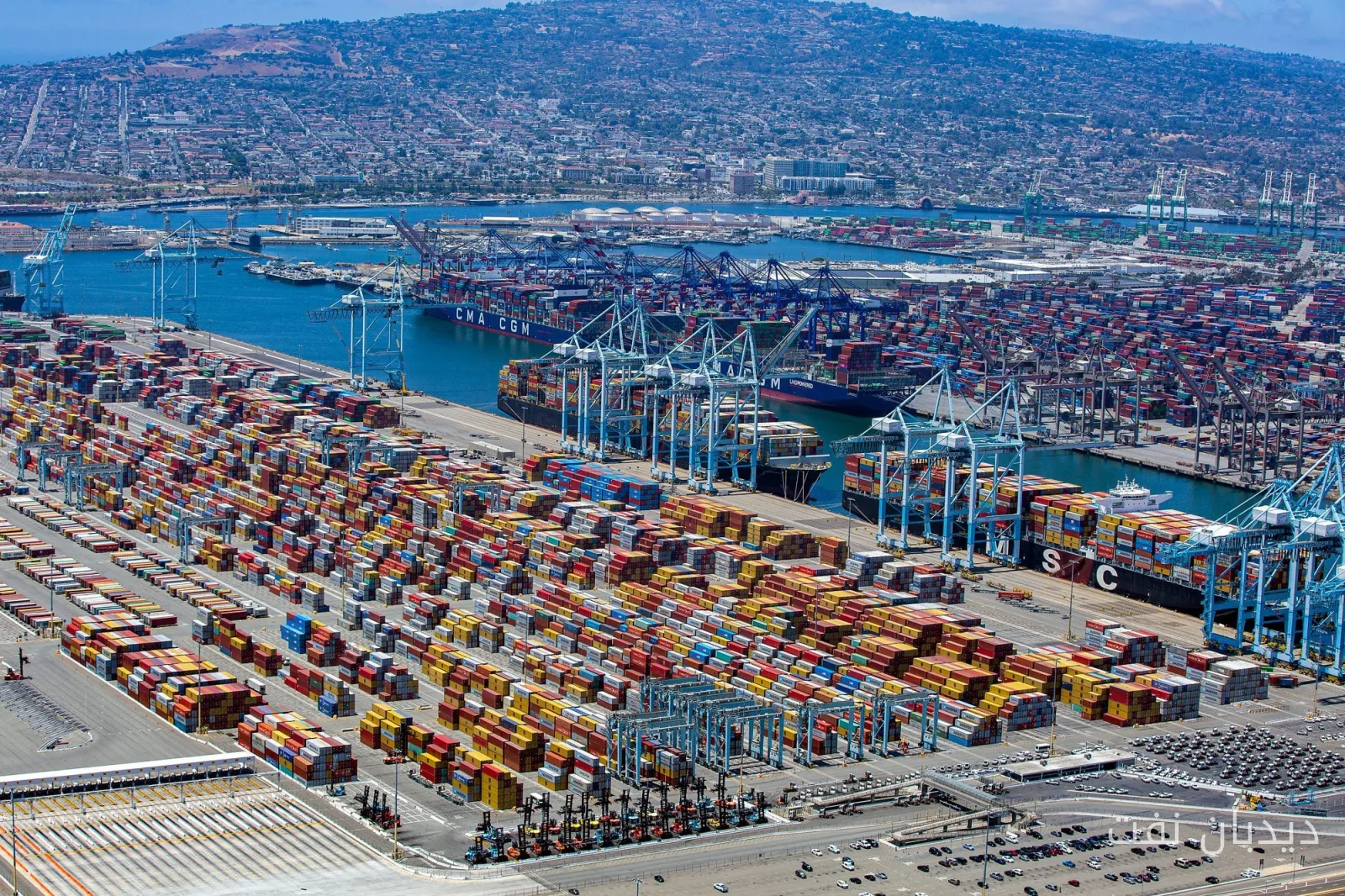
He referred to the current problems in fuel supply and said: "The government resorted to imports to compensate for fuel shortages, but now, due to financial constraints and maritime blockade, this is not possible." Salehi also reminded that price reforms should be implemented gradually to avoid shocking the society.
Development of Hybrid and Electric Vehicles as a Solution
This energy expert emphasized the need to focus on the development of electric and hybrid vehicles. He suggested that, given the good relations between Tehran and Beijing, a production line for hybrid vehicles could be established in Iran. Salehi said: "When France moved towards hybridizing vehicles, the government provided incentives for purchasing these vehicles."
He also referred to the quality of produced fuel and called for the private sector's entry into this area to enhance fuel quality and make its price competitive. Salehi stated that a gradual increase in prices could help control consumption, and alongside that, incentive policies such as promoting the use of CNG fuel in public vehicles should also be considered.
Ultimately, Salehi emphasized that reforming gasoline prices may not fully compensate for the deficit, but it can certainly have a positive impact on reducing consumption. He noted that to optimally manage fuel consumption, it is necessary for the people to be informed about the realities, and the government should communicate with them transparently and honestly.
Read more: Head of Economic Security Police: We are in an Economic War with Enemies · New Consolidated Edison Steam Rate Plan: Is Limited Return Enough?