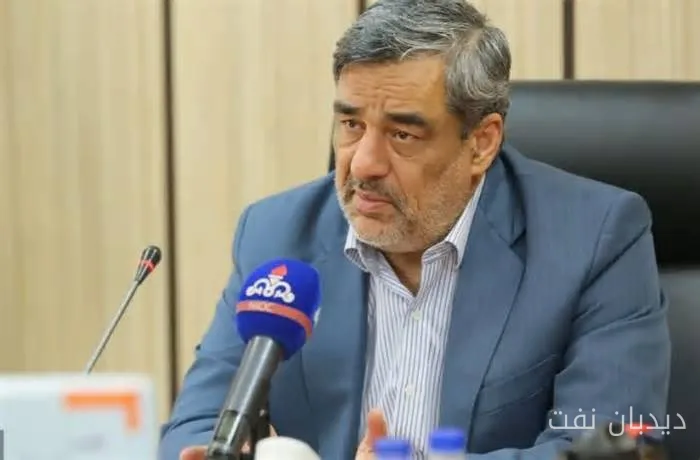
Hamid Bord, upon assuming his position at the Ministry of Oil, has raised Iran's daily crude oil production capacity from 3 million and 430 thousand barrels in September 2024 to 3 million and 715 thousand barrels in October 2026. This increase is equivalent to 285 thousand barrels per day and about 8 percent, reflecting ongoing efforts in the production and development of the country's oil resources.
Key Actions for Increasing Production
During this period, oil production has also increased by 55 thousand barrels per day compared to October 2025. Key action points include activating existing capacities, revitalizing low-yield wells, and developing joint fields. Additionally, an emergency plan to increase daily crude oil production by 250 thousand barrels, valued at 3 billion dollars, has been defined, with 70 thousand barrels of its target already achieved.
Financing and New Contracts
The financing of this plan is carried out from two sources; 80 percent from the National Development Fund and 20 percent from the internal resources of the National Iranian Oil Company. Contracts for the development of the Azadegan, Azar, Changuleh, and Band-e-Karkheh fields have been signed with a total investment of about 13 billion euros. In the infrastructure sector, contracts with the private sector have been signed to create new processing capacity of 315 thousand barrels per day, bringing the total processing capacity allocated to this sector to 430 thousand barrels per day.
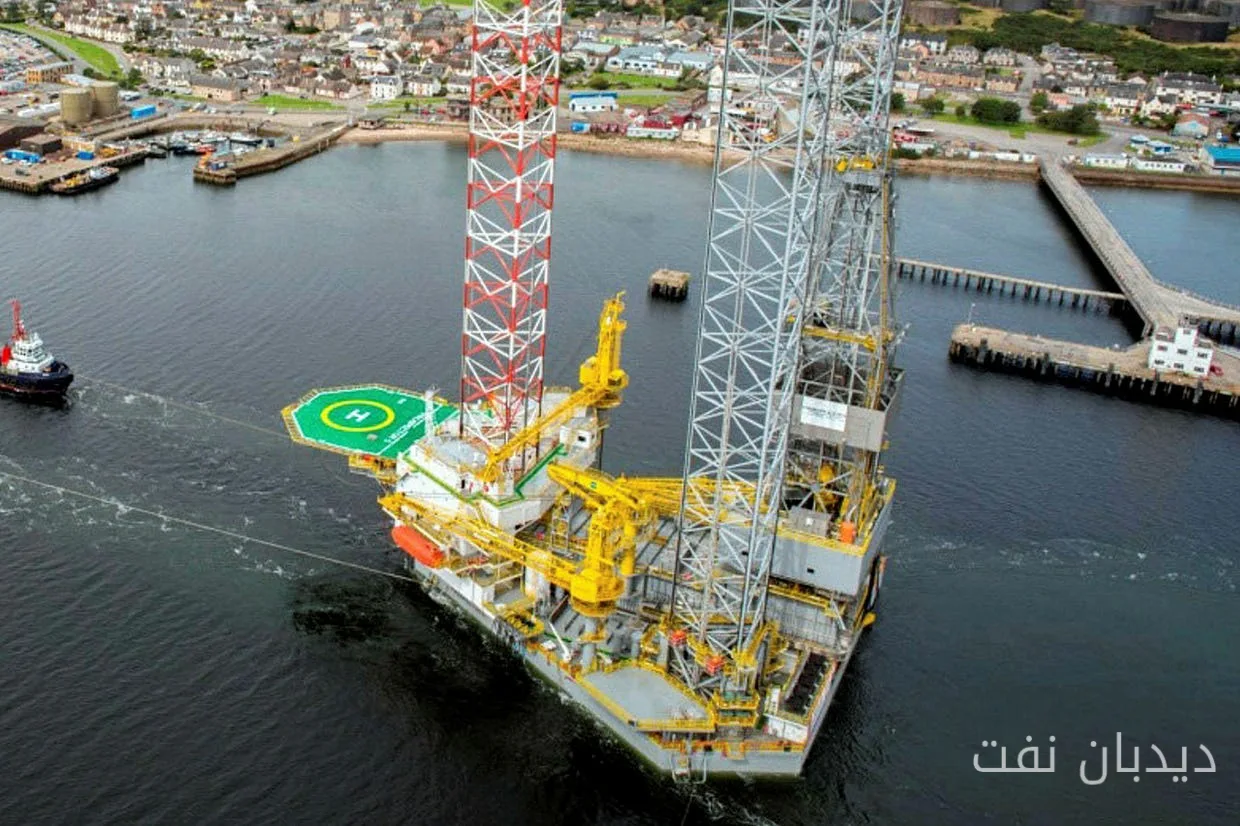
Additionally, 129 drilling rigs are active in the country, and a contract for the provision of services for 20 new rigs, worth about 1 billion dollars, has been signed to drill 270 wells. These actions are aimed at strengthening infrastructure and increasing the country's crude oil production capacity.
Continuing Oil Production and Sales Programs
Emphasizing the continuation of production and development programs, Hamid Bord has also referred to the collection of flare gases and the acceleration of projects ready for inauguration. He stressed the serious pursuit of oil sales and the necessity of solidarity and increased efforts from employees, calling for the transformation of the country's capacities into an opportunity for construction.
Continuing this path depends on coordination among the production, development, processing, and sales sectors, sustainable financing, and the utilization of domestic specialists' capabilities. These factors can convert the created capacities into sustainable production and reliable income for the country's economy.