Fereydoun Asadi, Secretary of the Union of Exporters of Oil, Gas, and Petrochemical Products of Iran, stated regarding the gas supply situation for petrochemicals in the cold half of the year that it is unlikely we will face any specific issues for supplying gas to petrochemicals this winter. He explained that a significant portion of the capacity of this industry is still not in production.
Gas Consumption Status of Petrochemicals
Asadi, referring to the gas consumption of petrochemicals, said: "Petrochemicals consume about 50 million cubic meters of gas per day, while the country's daily gas production is around 650 to 700 million cubic meters." According to him, the gas consumption of this industry is not a high figure compared to the total production of the country, and considering the events that have occurred for petrochemical units, a large part of this capacity is currently not being utilized.
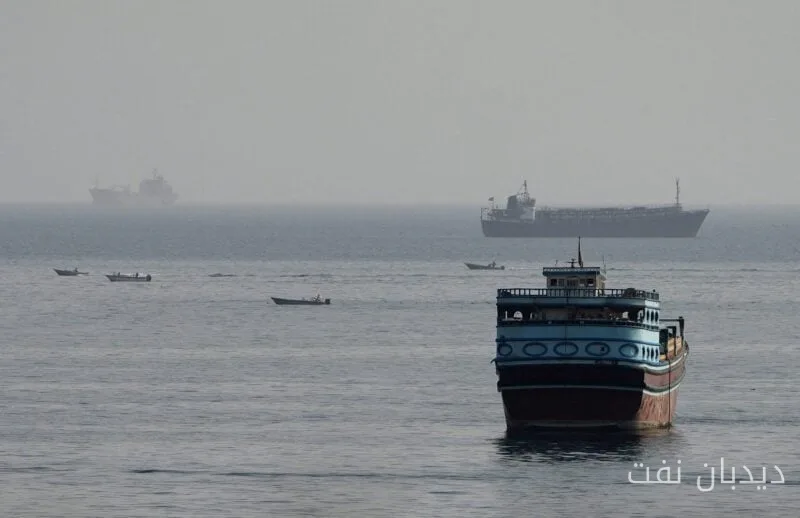
Read more: The IRGC Targeted the Trend Oil Tanker in the Strait of Hormuz
He added: "Given the current conditions, it is unlikely that the supply of gas to petrochemicals will face serious problems this winter. However, this does not mean that the gas imbalance in the country has been resolved, but rather the reduction in demand pressure in the petrochemical sector is largely due to the units being out of production."
Outlook for the Return of Production Capacities
Asadi also mentioned about the return of damaged petrochemical capacities to production by the end of the year: "It is very difficult for petrochemicals to return to production by the end of the year, and one cannot expect a significant portion of the lost capacity to be restored in a short time."
He continued: "Therefore, if we want to examine the gas situation of petrochemicals in the cold half of the year, we must distinguish between 'not facing gas shortages' and 'resolving the gas imbalance.' This year, due to the low active capacity of petrochemicals, the gas limitations for this sector may be less than in previous years, but this is not a result of increased gas supply or the resolution of the imbalance."
He also referred to the capacity for gas imports from neighboring countries and said: "One of the capacities that could have been utilized in managing the energy imbalance is gas imports from Turkmenistan. Currently, the necessary infrastructure for importing about 40 million cubic meters of gas daily from Turkmenistan exists in the country, and there is no need to construct a new pipeline to utilize this capacity."
Asadi, referring to the history of energy relations between Iran and Turkmenistan, added: "Gas imports from Turkmenistan have not been pursued continuously and sustainably in previous years, and this issue is not limited to gas. Iran had previously created capacities in the crude oil swap sector, which were later halted."
He emphasized: "Energy diplomacy can be one of the tools for managing the imbalance alongside domestic production. Iran, due to its geographical location and proximity to energy producers and consumers, has significant regional capacities that can be used to meet part of the country's needs."
As a result, this winter for the petrochemical industry should be viewed differently from the patterns of previous years. Although the decline in production capacity has reduced the likelihood of direct gas limitation pressure on active units, at the same time, part of the revenue-generating and export capacity of the industry has also been out of the production cycle. Therefore, the reduction in gas consumption in this sector cannot be considered an achievement for energy balance, as the other side of this equation is the failure to achieve full production.
Read more: Unprecedented Profits of Oil Tankers Amid Intensified Sanctions and Geopolitical Tensions · The Likelihood of Electricity Imbalance This Winter with Increased Gas Consumption