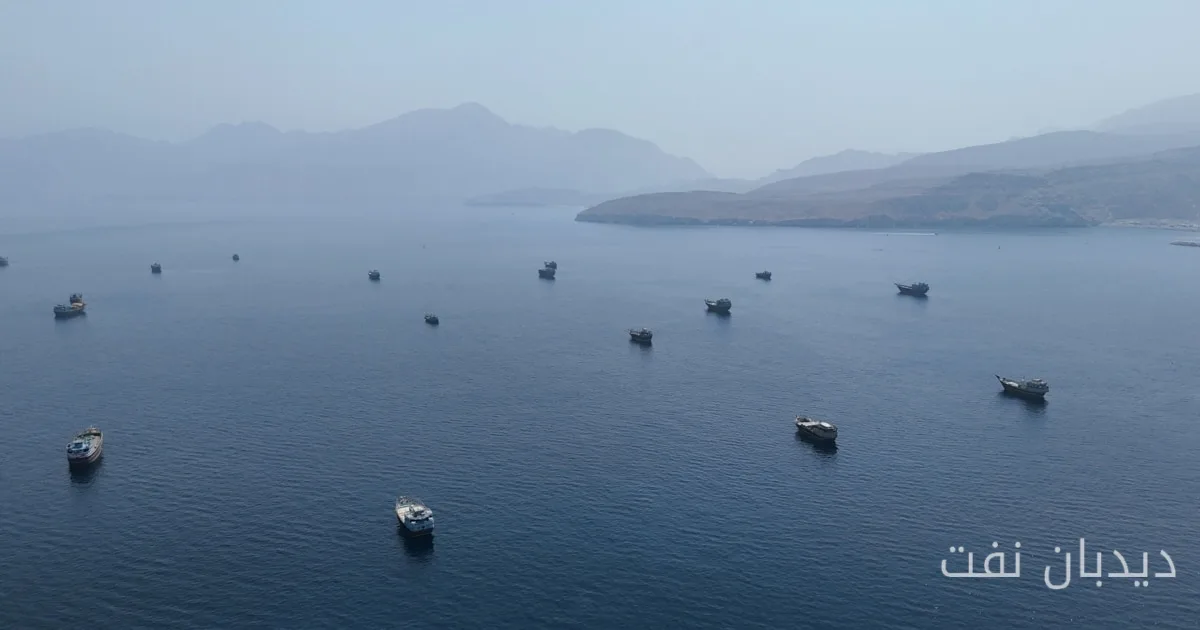
Recent disruptions in shipping in the Strait of Hormuz due to military tensions between the United States and Israel with Iran have had significant impacts on energy trade routes. These developments have led to increased demand for passage through the Panama Canal, significantly raising the costs of this route.
Increased Costs and Route Changes
Reports indicate that a shipping company paid over five million dollars in bidding rights to guarantee the passage of a liquefied gas carrier. This amount is separate from the usual Panama Canal fees and is considered a new record in the costs of passing through this waterway. Before the escalation of disruptions in the Middle East, bidding offers for passage through the canal were typically around 135 to 140 thousand dollars.
Read more: New gas discovery by Aker BP in the North Sea
Since the onset of attacks by the United States and Israel on Iran in late February, some oil, petroleum products, and liquefied gas carriers have been redirected to alternative routes to avoid disruptions in the Strait of Hormuz. According to data from LSEG, the average daily traffic through the Panama Canal from March to May has reached about 44 vessels, while the average for 2025 was about 37 vessels per day.
Global Consequences of Disruption in the Strait of Hormuz
This increase in demand comes as Panama Canal officials plan to reduce the number of daily vessel passages to 32 to 34 in September due to water shortages. This could further increase global shipping costs and impact energy supply worldwide.
Recent developments indicate that disruption in a strategic passage like the Strait of Hormuz can have significant effects on the cost and route of global shipping. This situation affects not only the Middle East but also thousands of kilometers away, forcing traders and shipping companies to change their strategies.
Read more: TechnipFMC received a multi-million dollar contract for the Petromas offshore project · CULines ordered two 14,000 TEU oil tankers from Hudong-Zhonghua