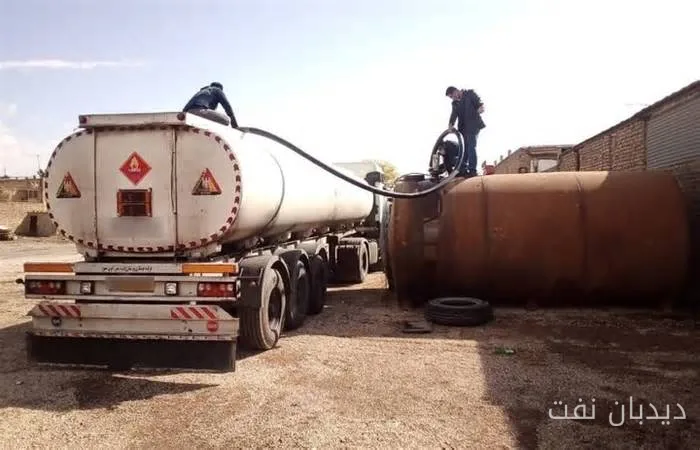
In a week filled with incidents for Qazvin province, police officers successfully discovered 30,000 liters of smuggled fuel in Khorramdasht and 300 bales of smuggled fabric in the city of Qazvin during two separate operations. These discoveries not only highlight the scale of smuggling in this province but also raise serious concerns about economic and social security.
Successful Operations of Qazvin Police
In the first operation conducted in Khorramdasht, police teams, using precise and intelligent information, identified a large warehouse where 30,000 liters of smuggled fuel were stored. According to experts, this amount of fuel could significantly impact the local market and lead to unfair competition with legal sellers.
In the second operation, police officers, through field investigations and collected information, reached another warehouse in the city of Qazvin that contained 300 bales of smuggled fabric. These fabrics appear to have been imported from neighboring countries and were distributed in domestic markets without paying duties and taxes. This type of smuggling not only harms domestic producers but can also lead to increased unemployment rates in the textile industry.
Economic and Social Dimensions of Smuggling
Smuggling of fuel and other goods has dire consequences for a country's economy. With the entry of smuggled goods into the market, domestic producers are pressured, and this pressure can lead to increased unemployment and a decrease in the quality of domestic products. Additionally, fuel smuggling can lead to energy crises and price increases in the future.
On the other hand, these discoveries indicate existing weaknesses in the monitoring and control system for goods and fuel at the provincial level. Although Qazvin police have been able to act successfully, it is important to consider whether the existing monitoring and control systems will be able to prevent such smuggling in the future.
Ultimately, these discoveries represent a serious warning for the local economy and social security of Qazvin province. There is a need for more precise planning and greater collaboration among various institutions to prevent the recurrence of such bitter events.