Bureau Veritas aims to improve safety and efficiency in maritime operations by introducing innovative remote inspection techniques (RIT). This technology has become particularly important in the critical conditions of the Middle East and the Red Sea, where the maritime fleet faces serious challenges.
Maritime Challenges and the Need for Effective Inspections
Currently, over 6000 sailors on vessels stationed in the Persian Gulf are in unfavorable conditions due to ongoing conflicts in the Middle East and the closure of the Strait of Hormuz. This situation has led to additional pressures on maritime operations and significantly increased the need for precise and safe inspections. Traditional inspection methods, especially in confined spaces, require human entry into hazardous areas, which can pose serious risks to inspectors and sailors.
Read more: GEOxyz is conducting geophysical surveys at the East Anglia Two wind farm
Advantages of Remote Inspection
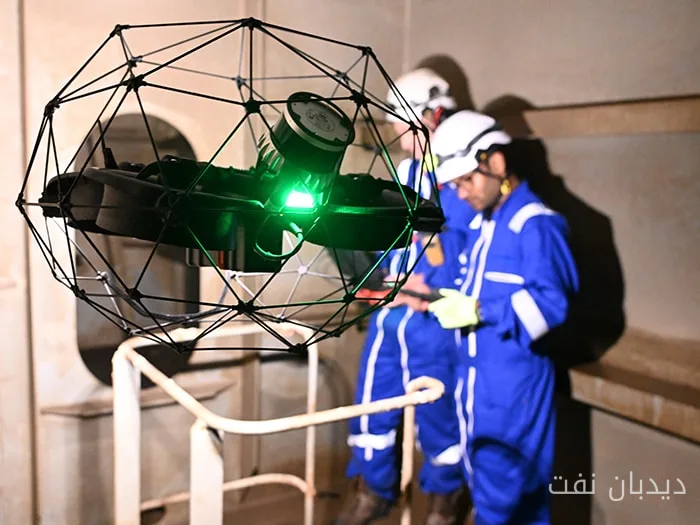
The remote inspection techniques developed by Bureau Veritas provide the ability to conduct precise and safe inspections without the need for human entry into confined spaces. These methods include the use of drones and data analysis with the help of artificial intelligence, which can assist in identifying structural weaknesses and potential issues. By using these techniques, the need for entry into confined spaces is reduced by up to 70%, which in turn improves the safety of inspectors and sailors.
For example, inspecting ballast tanks and confined spaces typically requires large teams and time-consuming preparations. However, with advanced inspection methods, this time can be reduced while also lowering inspection costs. Bureau Veritas, by establishing remote inspection centers in various locations around the world, including France, Angola, and Greece, offers its clients 24/7 services.
As a result, the use of remote inspection techniques not only helps reduce costs and inspection time but also enhances the safety and efficiency of maritime operations. This new approach clearly represents a transformation in the shipping industry and can serve as a new model for maritime inspections in the future.
Read more: Fincantieri has launched the BOOST² program for shipbuilding transformation · Report of the Canadian Transportation Safety Board on the Haisla Northwind tanker accident