The Transportation Safety Board of Canada (TSB) published a report detailing the accident between the Haisla Northwind tanker, the BSG Lubricator barge, and the workboat Triton 1 at Squamish Harbour, British Columbia on December 18, 2024. This incident occurred in the marine safety zone of the Woodfiber LNG project and was caused by a failure in situational awareness and communication, leading to the collision.
Details of the Incident and Collision
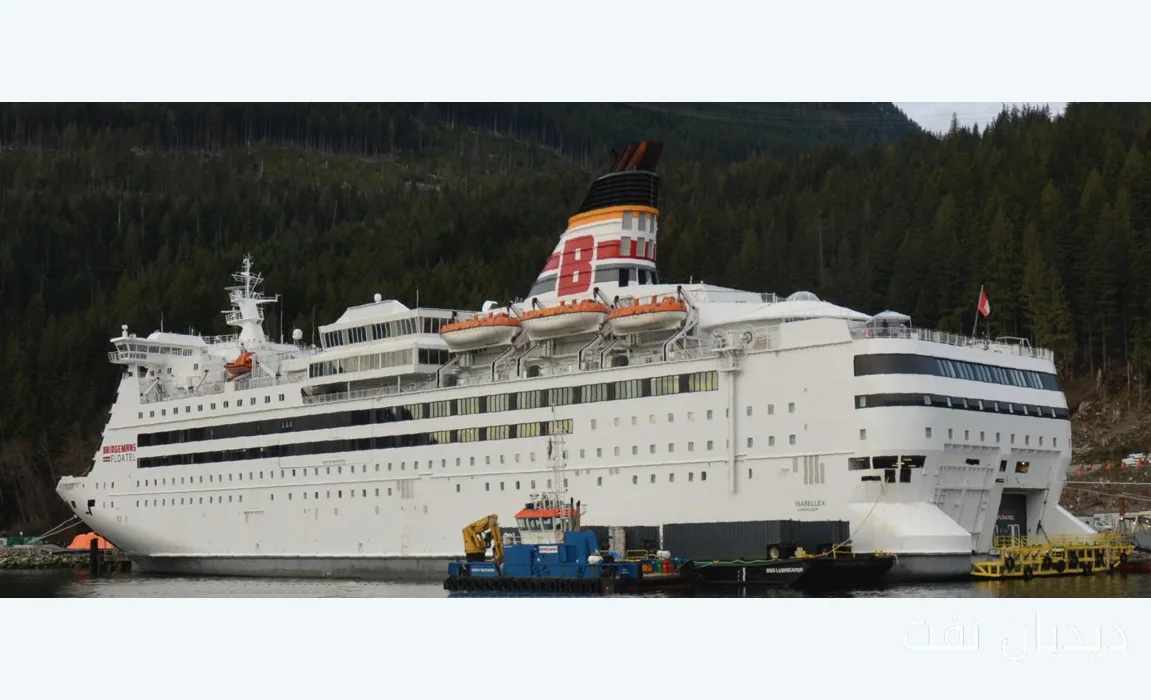
The incident occurred while the Haisla Northwind tanker was heading towards Isabelle X, a floating vessel used as accommodation for project workers. The BSG Lubricator barge was carrying food supplies and collided with the workboat Triton 1, which was on standby. This collision resulted in the capsizing and sinking of Triton 1.
The operator of the workboat, who was the only person on board, fell into the water and was quickly rescued by the nearby Roe 5 boat. He was treated for hypothermia after being rescued. Following this accident, only minor pollution was observed, and precautionary measures were taken to contain the pollution. No damage to the tanker or barge was reported, but the workboat Triton 1 was not salvaged.
Causes of the Accident and Safety Measures
According to the report from the Board, failures in situational awareness and weaknesses in communication were the primary factors in the accident. Limited visibility from the tanker’s wheelhouse due to the presence of structures on the deck reduced the captain's ability to identify the Triton 1 boat. Additionally, bright lights from the construction site and nearby vessels caused glare and difficulty in recognizing the workboat's navigation lights.
The operator of the workboat did not listen to any incoming messages on the VHF radio and did not expect any vessels to be approaching him. Ultimately, the operator was distracted by a phone call. Investigations revealed that communication and monitoring during nighttime operations pose additional challenges, as bright lights from coastal structures and nearby vessels cause light pollution and glare.
Following this incident, relevant organizations took measures to improve safety, including strengthening monitoring and communication procedures, installing tracking equipment, and enhancing marine safety programs. Furthermore, all barge movements have been restricted to daylight hours, and coordination among operating vessels in the marine safety zone has been improved.