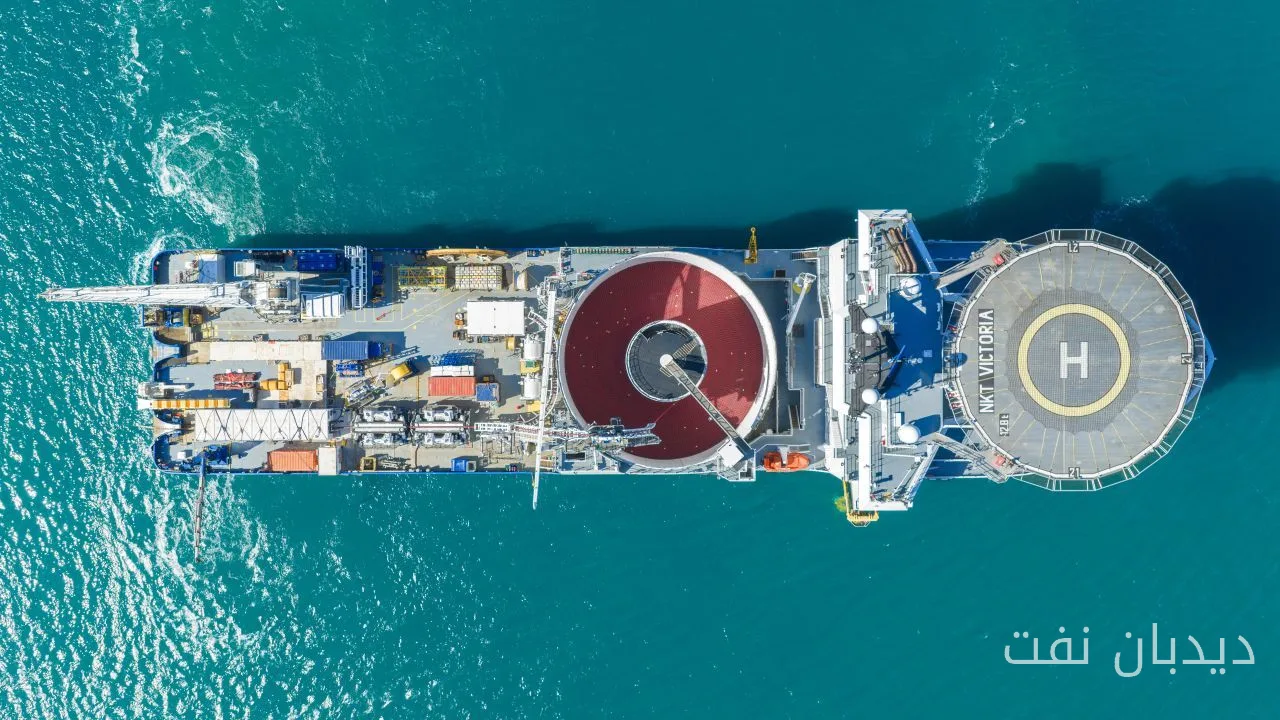
TenneT Netherlands and NKT are jointly examining the future of end-of-life management for submarine cables, focusing on submarine cable systems in the Netherlands and Germany. The goal of this collaboration is to develop responsible practices for managing the end of life of these infrastructures and to strengthen circular practices in the energy sector.
Exploring Various Aspects of End-of-Life Management
This study examines several aspects including recycling, environmental considerations such as biodiversity and carbon assessments, logistics, legal requirements, and operational practices. Hedwig Polak, Senior Sustainability Expert at NKT, stated: "This initiative reflects the shared desire of TenneT and NKT to strengthen circular practices in the energy sector. We have explored together how submarine cables can be managed responsibly at the end of their life."
Read more: AskChief Facilitates the Use of Artificial Intelligence in Shipping
Recommendations for Future Projects
Guan Van der Schee, Sustainability Manager at TenneT Netherlands, emphasized the importance of considering end-of-life requirements from the early stages of infrastructure development, stating: "This study showed that end-of-life management of submarine cables is technically feasible and can contribute to circular goals and CO2 reduction. The economic attractiveness may vary depending on factors such as materials used, recycling value, processing costs, and local market conditions. Therefore, the most suitable approach should be assessed individually for each project."
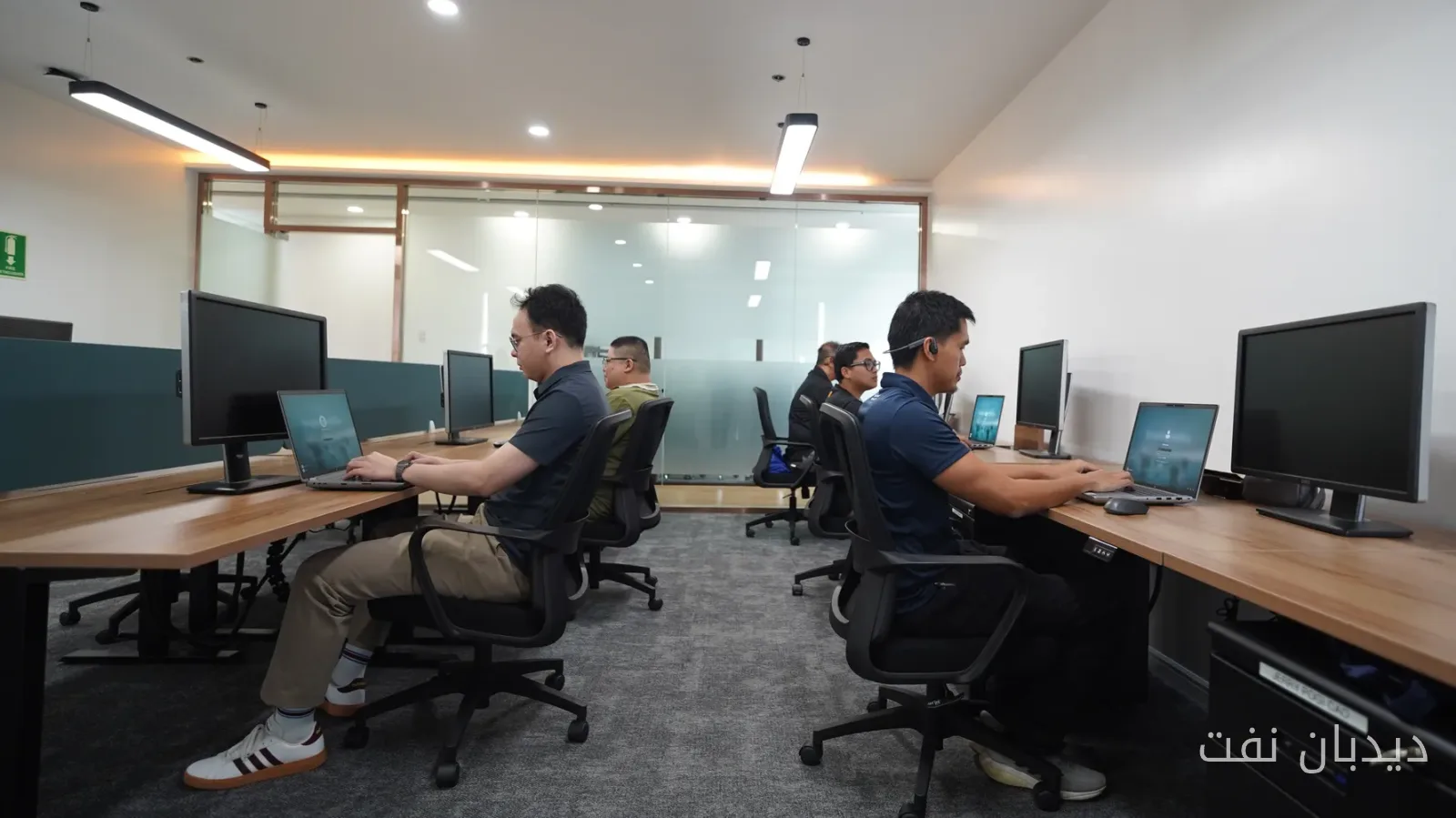
This project was carried out by a team of TenneT interns and was supported by subject matter experts from both companies. This collaboration represents a willingness to create sustainable solutions for future marine projects and can help reduce environmental impacts in this area.
Read more: The First Ocean Solutions Award Announced by Nor-Shipping · Oftgam Searching for Owner of Hornsía 3 Energy Transfer Infrastructure