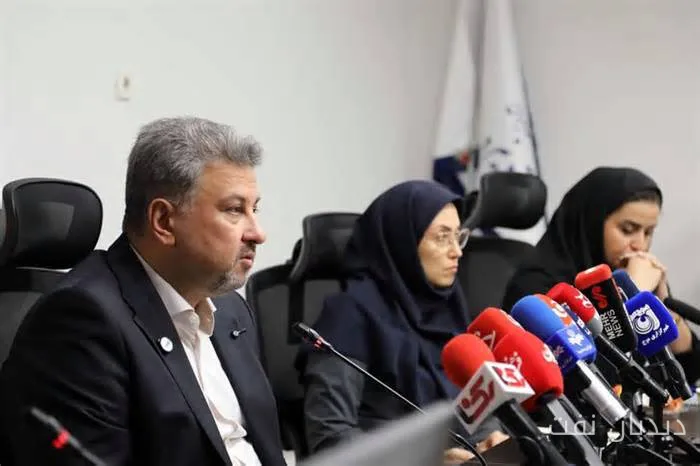
Mostafa Rajabi Mashhadi, Deputy of Electricity and Energy of the Ministry of Energy, announced that large industries, especially petrochemical companies that have suffered serious damage in the war, can directly import electricity from neighboring countries like Turkey through their foreign currency resources. These statements were made following the removal of structural barriers and facilitation of electricity transit from the national grid.
New Solutions for Energy Supply
Rajabi Mashhadi, in a radio program, referred to the sustainable energy supply for the country's industries, stating that by breaking the monopoly on electricity imports, large industries, especially petrochemicals, have been prioritized for electricity imports. This action is particularly important to compensate for the damages inflicted on some self-sufficient industrial units during the war.
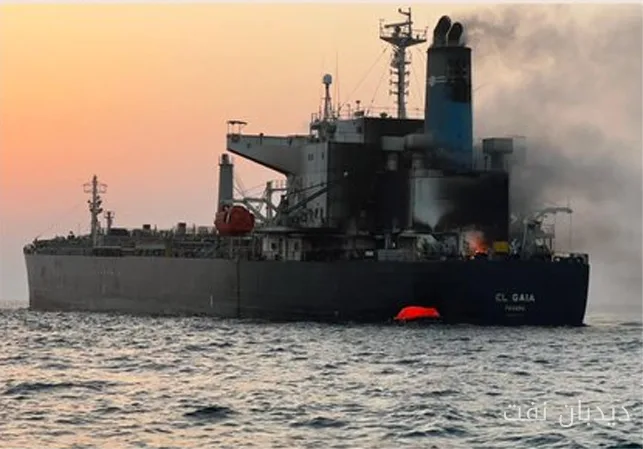
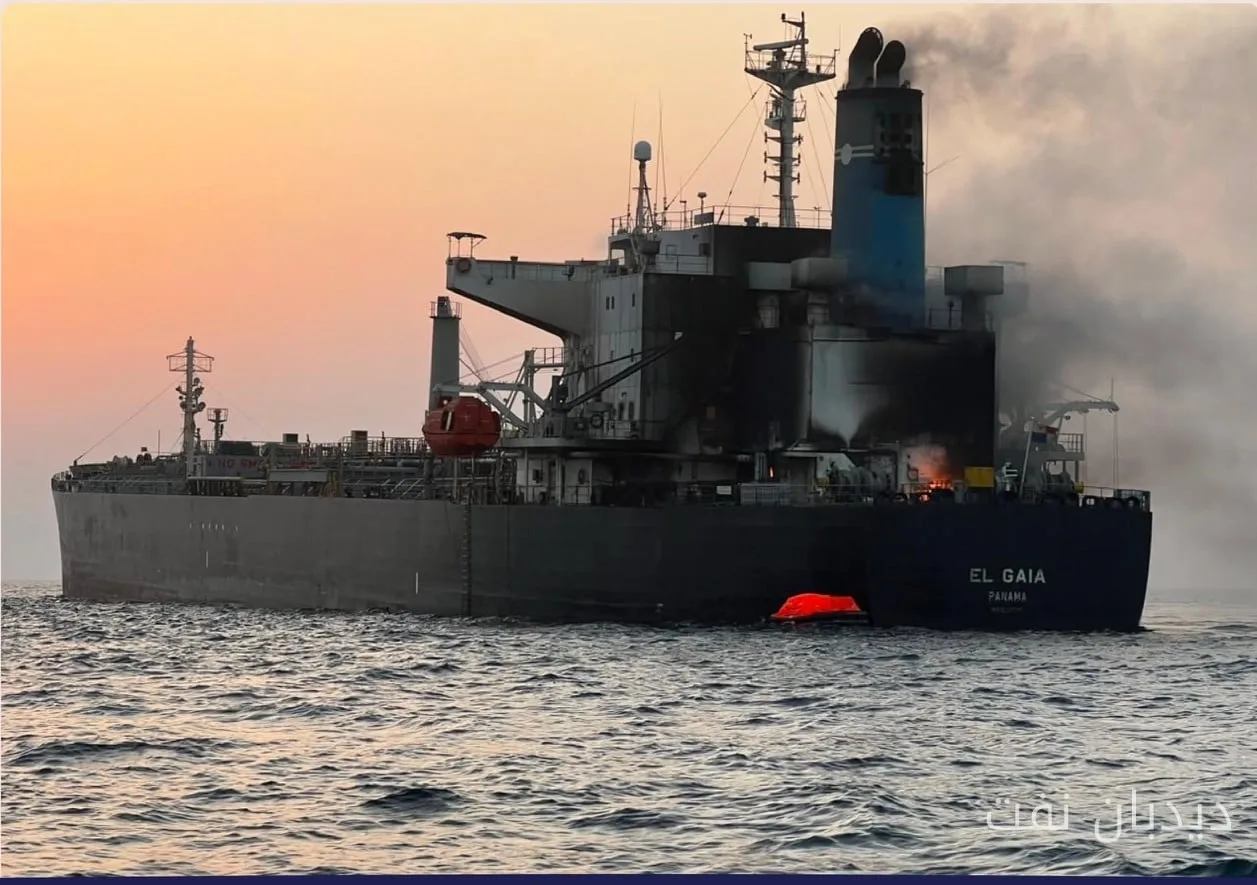
Read more: Explosion of the super tanker 'Algaya' due to collision with a naval mine in the Strait of Hormuz
He added: "About 4,700 megawatts of power plants owned by industries and petrochemicals have been out of service for various reasons, and by the end of the year, ultimately 50 percent of them will return to operation." Intensive meetings have been held with the petrochemical industry to maintain production lines.
International Electricity Exchanges
The Deputy of Electricity and Energy of the Ministry of Energy also referred to regional electricity diplomacy and stated: "In global exchanges, the share of electricity trade is usually less than 10 percent of the needs of countries. In Iran, the share of electricity imports from land borders is estimated to be between 2 to 3 percent." However, there is a high capacity in the northern countries of Iran for power supply and exchange.
Rajabi Mashhadi emphasized that electricity producers in countries such as Turkey have expressed their readiness to sell electricity directly to Iran's petrochemical industries. The Ministry of Energy has no obstacles to creating network infrastructure and will pass this import capacity through the national grid and deliver it to industries.
This summer, the Ministry of Energy succeeded in delivering electricity to petrochemical industries six times more than in previous years. Additionally, there is the possibility of receiving 2 billion kilowatt-hours of energy annually from Turkmenistan, and the renewal contract for the next year will be finalized soon.
The Deputy of Electricity and Energy of the Ministry of Energy also referred to the status of power exchange with neighboring countries, stating: "The volume of exchange with Armenia is similar to that with Turkmenistan, and a new third transmission line between the two countries will be operational within the next year. In Turkey, a very powerful infrastructure has been established that creates the capacity for exports and imports up to twice that of Turkmenistan."
During the peak summer load, 150 to 200 megawatts of electricity were imported from Azerbaijan, and a long-term electrical connection plan for exchanging 1,000 megawatts with Russia is being pursued. Exports to Afghanistan and Pakistan also total about 200 megawatts.
Read more: Trump: America may stay in Iran and keep the oil for itself · Reduction of electricity imbalance in Tehran; the governorate is on the path to solving the crisis