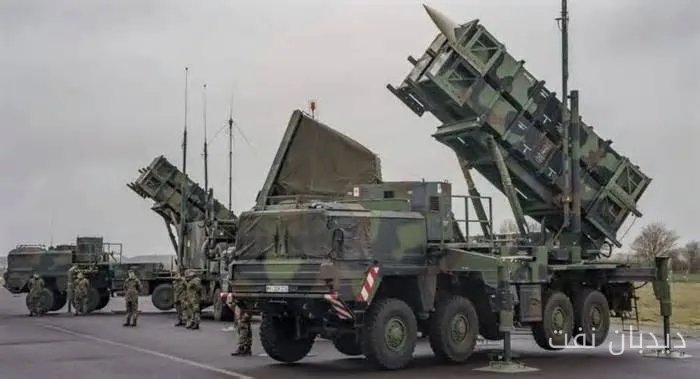
In recent weeks, the U.S. has transferred two additional Patriot missile defense batteries to Saudi Arabia and Qatar. This move is aimed at protecting the energy facilities of these two countries in the event of renewed conflicts with Iran.
Details of the Patriot Battery Deployment
According to available reports, one of the Patriot batteries has been moved to Saudi Arabia to protect a vital oil facility, while the second battery has been deployed in Qatar to defend a gas facility. These movements come as Washington is strengthening its military presence in the Middle East, with the aircraft carrier "Theodore Roosevelt" also dispatched to the region.
Importance of Energy Infrastructure in Saudi Arabia and Qatar
The energy infrastructure of Saudi Arabia and Qatar is considered one of the most important energy supply centers in the world. Saudi Arabia is one of the largest oil exporters globally, and Qatar holds a significant position in the global LNG market. In recent months, the energy infrastructure in this region has been exposed to attacks due to political tensions. For instance, Iranian attacks in early March damaged the massive liquefied natural gas facility at Ras Laffan in Qatar, and an attack on the East-West pipeline pumping stations in Saudi Arabia last September disrupted oil transportation.
Following these attacks, Saudi Arabia has gradually resumed operations of the East-West pipeline, but a full return to oil flow at around 4 million barrels per day will take time. Loading of crude oil from the Yanbu port on the Red Sea coast has also resumed. These developments are significant for the global oil market, as any disruption in Saudi Arabia's transportation or export infrastructure could put pressure on alternative oil supply routes in the region.
Impact of Increased Defensive Measures on the Energy Market
The deployment of defensive systems in Saudi Arabia and Qatar does not directly increase oil or gas production capacity, but it aims to reduce the risk of damage to energy production, processing, and export facilities. In this context, concerns about the security of energy facilities have become a serious issue in the energy policies of major countries. The Group of Seven (G7) has also recently announced that, in coordination with the International Energy Agency, it will begin releasing 100 million barrels from emergency reserves over four months.
As the security situation in the region continues, its impacts on Qatar's LNG exports, oil tanker transportation costs, and energy cargo insurance have become increasingly significant. In contrast, the increase in defensive measures and efforts to protect energy infrastructure are part of countries' responses to reduce the risk of further supply disruptions.
Read more: Two-Month Extension of Port Tariff Suspension Between China and the U.S.