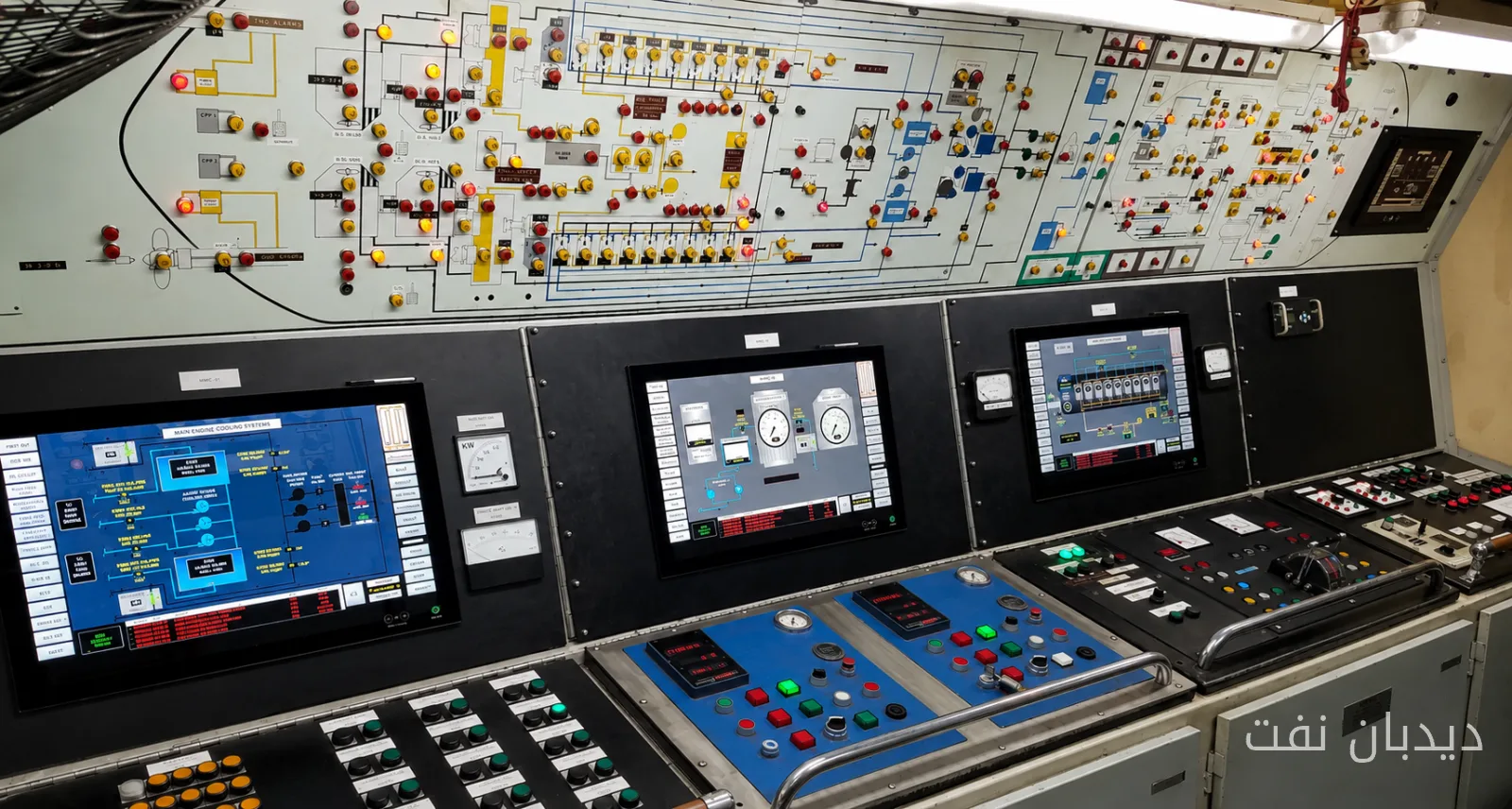
Modernizing ship control systems may seem simple: removing old components, installing new hardware and software, testing the system, and returning the ship to service. However, in practice, major issues usually arise not from a single PLC, display, or sensor, but from the communications between old and new equipment, between the drawings and the actual conditions on the ship, and between the organizations responsible for design, installation, and commissioning.
Challenges Related to Documentation and Installation
Many working ships have undergone frequent changes throughout their lifespan. Drawings may not reflect field changes, replacement equipment, or temporary repairs that have become permanent. Cable identification may be incomplete, and the original control logic may no longer be available in a usable format.
Read more: Kaja Classas: Two countries are considering sending a ship to confront the Houthis
A modernization effort that relies solely on a drawing package is at risk from the outset. Field verification must document the installed system, available space, power sources, inputs/outputs, alarms, communications, and interfaces with propulsion systems, generators, and auxiliary machinery. The goal is not only to verify what exists but also to identify discrepancies between the drawings and the ship before these discrepancies lead to change orders or delays in scheduling.
The Importance of Interaction and Planning for Testing
Modernizing control systems typically involves multiple parties: the ship owner, shipyard, electrical installer, equipment manufacturers, software developers, regulatory representatives, and the commissioning team. Problems arise when any party assumes that another is responsible for a specific cable, signal, drawing, setting, or testing.
These boundaries must be defined before work begins. A clear responsibility matrix should specify who is in charge of control philosophy, drawings, equipment procurement, panel construction, software, installation details, theses, network configuration, testing procedures, and final documentation. Assigning an electrical integrator to manage these interfaces can reduce gaps and provide a single technical pathway from design to commissioning.
Testing and commissioning should not begin only when installation is declared complete. Testing requirements should influence design from the outset. Every alarm, permit, operational lock, and failure response requires a practical method for verification.
Factory testing can verify many software and panel functions before equipment arrives at the ship. Testing on the ship should progress from point-to-point checks to equipment-level tests, integrated system tests, and operational testing. This phased approach makes issues easier to address and prevents avoidable problems in the final days of scheduling.
After delivery, modernization is not complete. Crews and future service technicians need accurate drawings, software backups, parameter files, alarm lists, operational manuals, and organized spare parts strategies. Owners must also understand who controls the source code, passwords, and software licenses needed to support the system.
The Importance of Lifecycle Planning
Lifecycle planning is essential because the ship will continue to change. Good documentation and maintainable architecture will make future additions and troubleshooting faster and less costly. Without these, even a newly modernized system can be difficult to support.
Training should be based on the final system rather than general product materials. Crews need to understand normal operations, alarm responses, backup modes, and limitations that can be repaired on the ship. Maintenance personnel also require a clear process for obtaining technical support and recovering the system after hardware or software failures.
Read more: Suspension of Iranian flights by the Iraqi government and its impacts on the relations between the two countries · Estna Roro orders two new passenger ships from China



