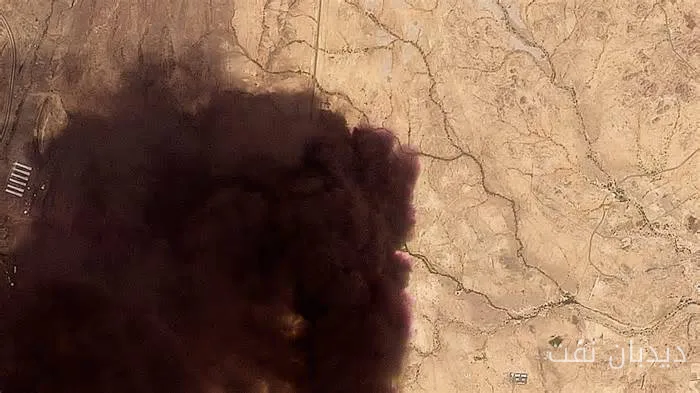
The price of Brent oil reached $107 per barrel on Monday morning. This price increase, following an attack on a commercial ship in the Strait of Hormuz and the shutdown of Saudi Arabia's main pipeline, has raised concerns about disruptions in oil supply routes in the Middle East.
Details of the Attack and Its Impact on the Oil Market
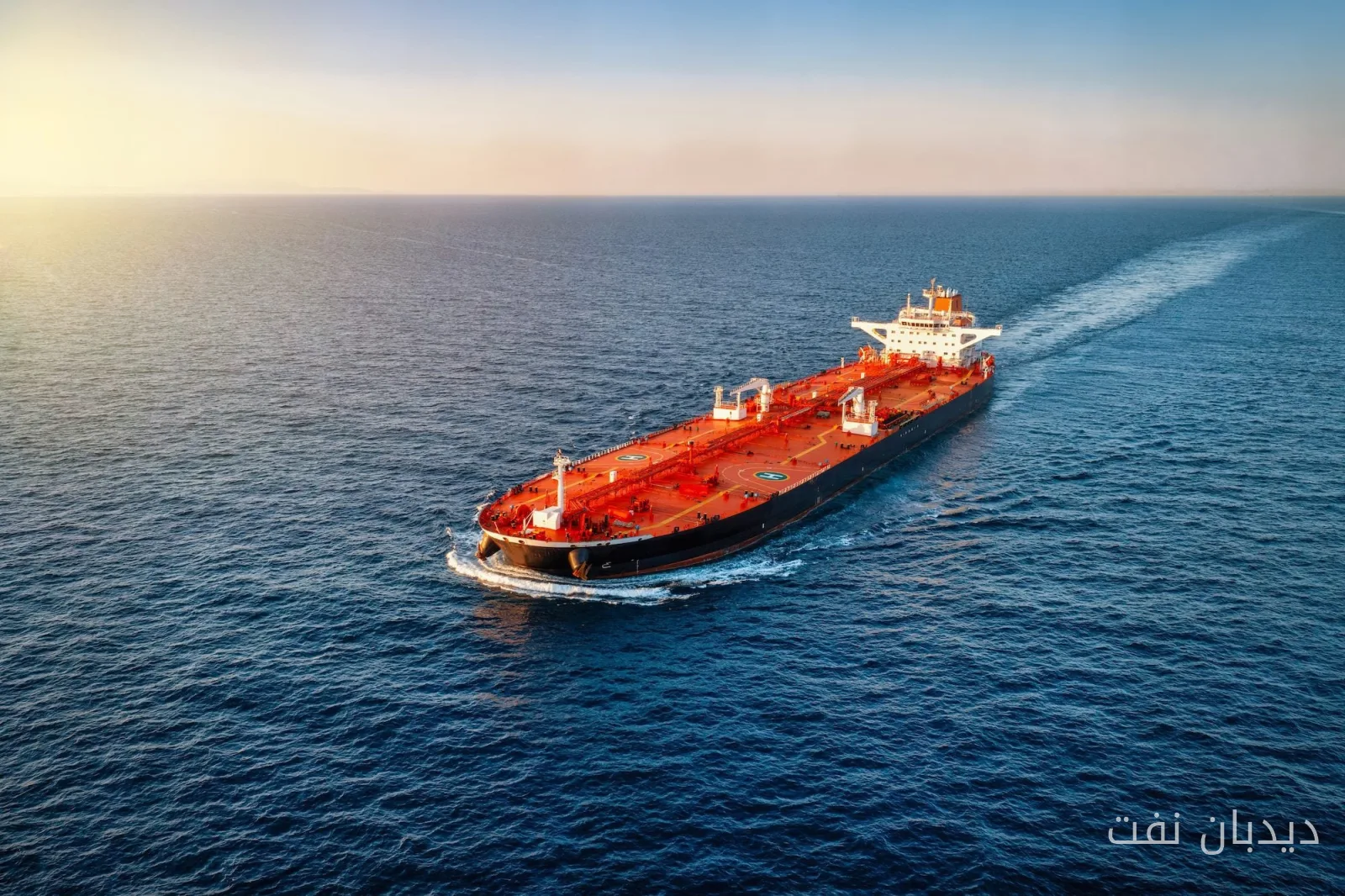
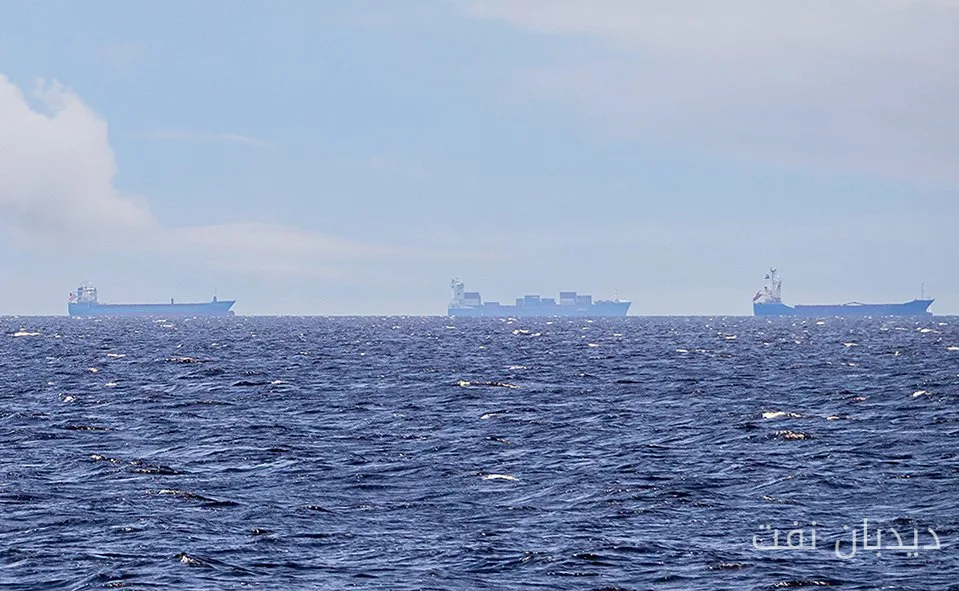
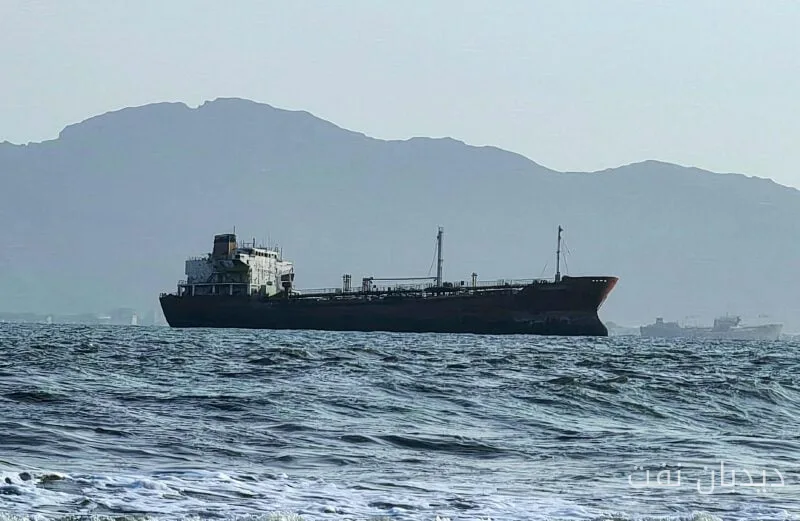
The attack on the commercial ship in the Strait of Hormuz resulted in the death of one crew member, raising concerns about the security of maritime transport in this strategic region. The Strait of Hormuz is one of the most important oil transit routes in the world, and any disruption in this area could have serious impacts on the global oil market.
Read more: Increase in Iraq's Oil Exports to Over 3 Million Barrels Per Day
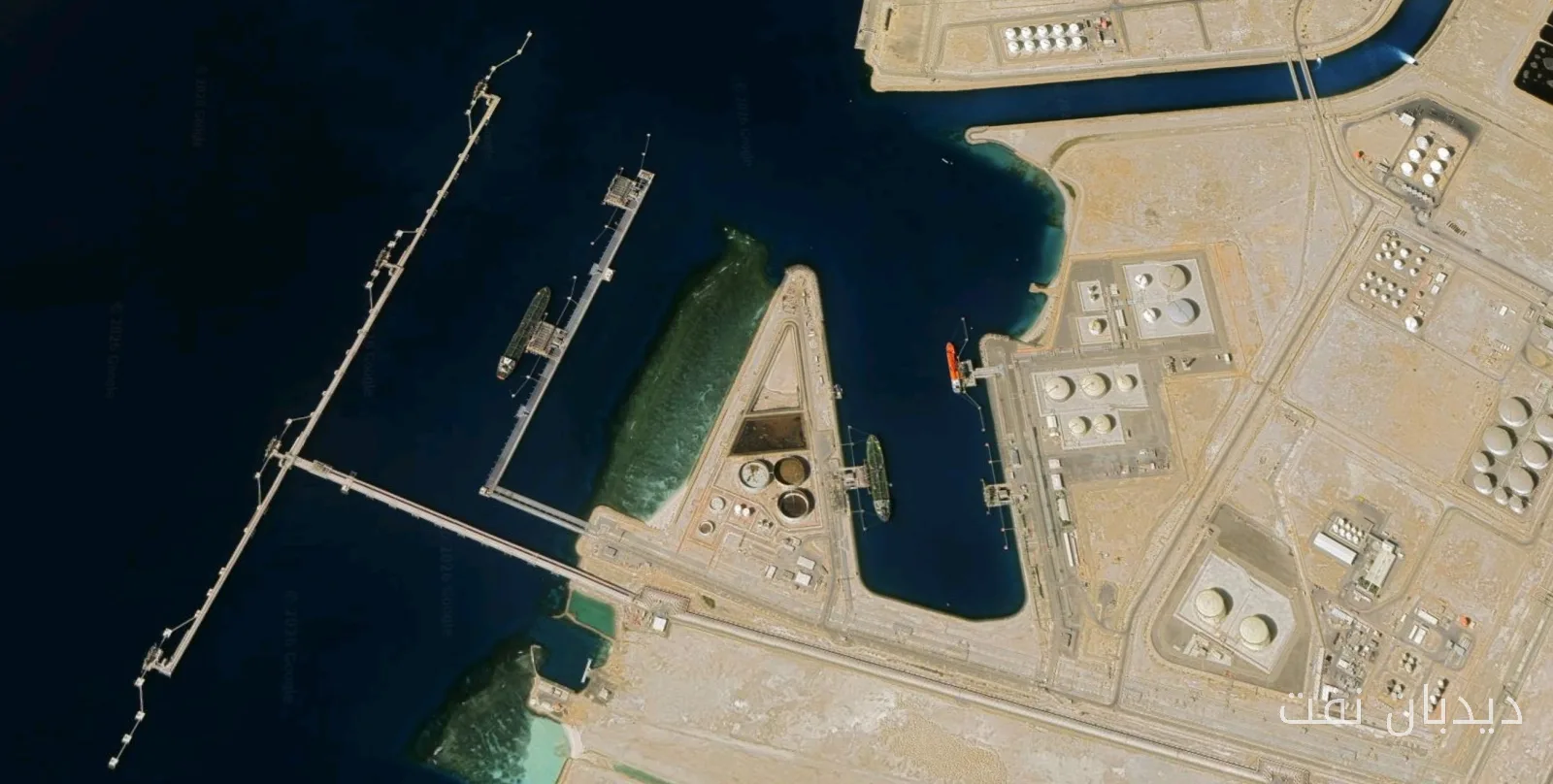
Meanwhile, the shutdown of Saudi Arabia's main pipeline, which transports oil from the oil fields to global markets, has also contributed to rising prices. This pipeline transports millions of barrels of oil annually, and any interruption in its operation can severely impact global oil supply.
Economic and Political Consequences
The increase in oil prices can lead to further economic problems for countries, especially those dependent on oil imports. Additionally, rising prices can affect political relations between oil-producing and oil-consuming countries. An increase in oil prices typically leads to higher production and transportation costs, which can result in increased inflation rates in various countries.
Currently, analysts and oil experts are examining the various dimensions of this incident and its impact on the global market. Given the dependence of many countries on Middle Eastern oil, any disruption in this region could have widespread global repercussions.
Read more: Panamanian Oil Tanker Hit by Missile in the Strait of Hormuz · Iran's Oil Sanctions Have Impacted a New Route in the Persian Gulf