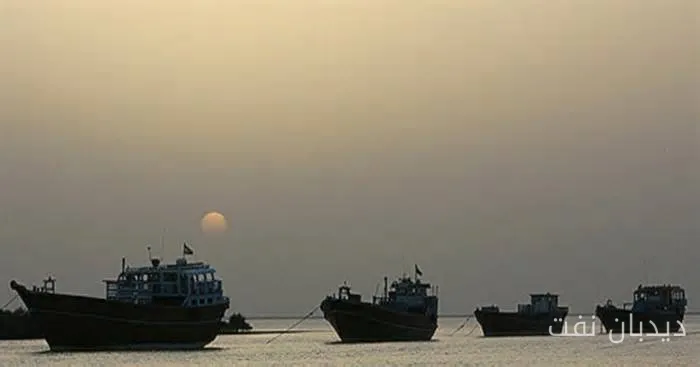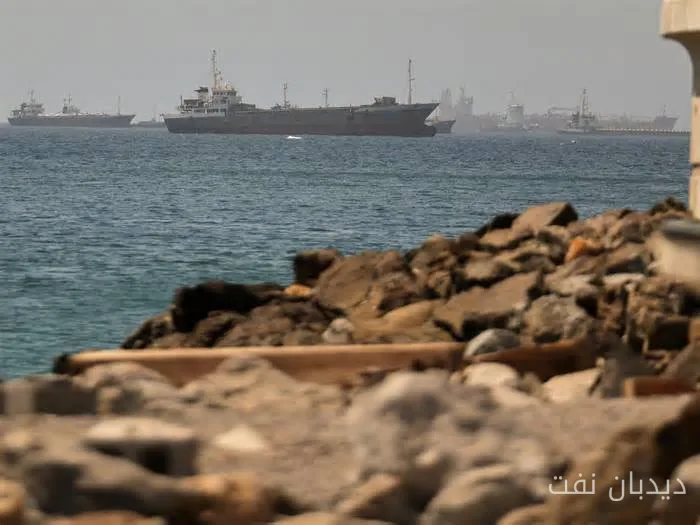
Iran's oil sanctions in recent years have had profound effects on the economy and trade policies of the Persian Gulf countries. These sanctions, in addition to reducing Iran's oil exports, have led to changes in oil transportation routes and have influenced energy costs in the region. In particular, oil tanker fleets are seeking alternative routes for transporting oil to various destinations.
Recent Developments in Oil Transportation
Following the intensification of sanctions against Iran, some oil tankers have indirectly engaged in transporting oil from various regions of the Persian Gulf. These changes are particularly noticeable in maritime routes where tankers frequently pass through the Strait of Hormuz. According to recent information, some tankers enter Iranian waters after loading oil from other countries and then move to various destinations.
Read more: The government is leading the reform of consumption patterns in the country
Economic and Financial Consequences
The economies of the Persian Gulf are facing multiple challenges. The impacts of sanctions on oil prices as well as on transportation and insurance costs for tankers are evident. Additionally, the Persian Gulf countries are seeking solutions to optimize costs and increase their revenues through investments in non-oil projects. Governments have particularly moved towards utilizing their investment funds and reducing government expenditures.
Given the ongoing tensions and sanctions, the Persian Gulf countries are looking for new ways to maintain their economic and financial stability. This may include expanding trade cooperation with non-Western countries and searching for new energy sources. At the same time, changes in oil routes and the use of modern technologies in the oil industry could create opportunities for improving the situation.
Read more: New changes in the emergency card quota for gas stations; Is a fuel crisis on the way? · The security manager of the oil company faced threats and legal issues