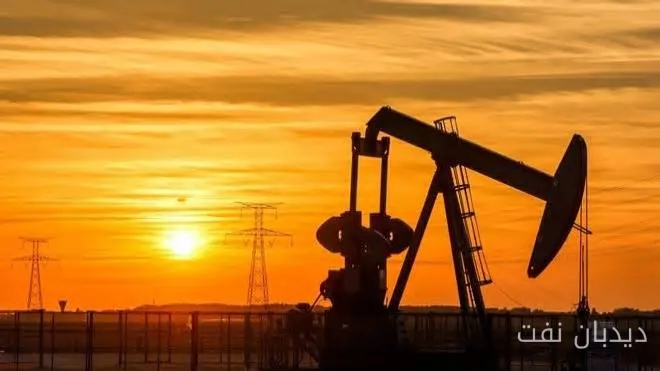
Global oil prices on the first trading day of this week faced a 3.27% decrease in Brent oil to $109.715 per barrel and a 3.29% decrease in West Texas Intermediate crude to $100.690. This price drop is particularly influenced by ongoing diplomatic discussions regarding the end of the Iran-U.S. war and the correction of prices following last week's rise.
Impact of Negotiations on Oil Prices
The most significant factor pressuring oil prices in today's trading is the continuation of diplomatic talks mediated by Qatar to reduce tensions and find a solution to end military conflicts. These negotiations, which have continued for the third consecutive day, have led to increased hopes for a reduction in regional tensions and improvement in oil export conditions from the Persian Gulf. This situation has clearly impacted traders' pricing.
Read more: Iranian Tankers Successfully Navigate the U.S. Maritime Blockade
Reduced Concerns About Oil Supply Disruptions
In recent months, military tensions and threats to the security of tankers in the Strait of Hormuz have been major factors in the rise of global oil prices. However, reports indicate an improvement in regional oil export flows and the use of alternative routes, which have alleviated some market concerns about supply shortages. Nevertheless, the risk of attacks on tankers still exists, and the market has reacted more than ever today to the possibility of reduced tensions.
In the final days of October, oil prices had risen due to security concerns in the Persian Gulf, with Brent trading at high levels. However, with the start of the new week, some traders began to take profits and sell oil contracts. Energy market analysts believe that today's decline is partly a result of price corrections following the recent rise and cannot be solely seen as a sign of the end of supply concerns.
In the Sunday meeting, the participating members of the recent OPEC+ decision maintained December production targets unchanged. This decision does not mean a new increase in production quotas, but in a situation where the market is looking for signs of supply conditions, clarifying next month's production policy is considered one of the effective factors on traders' expectations.
Despite the sharp drop in prices on the first day of the week, the outlook for the oil market remains uncertain. On one hand, potential progress in negotiations and reduced risk of oil export disruptions could maintain downward pressure on prices. On the other hand, ongoing insecurity in the Strait of Hormuz or a resurgence of conflicts could lead to a return of demand and an increase in oil prices.
Ultimately, diplomatic developments, the security of maritime routes in the Persian Gulf, and the actual level of oil exports from regional countries are the most important variables that will determine the market's direction. Today's drop in oil is more influenced by a relative reduction in geopolitical concerns and price corrections following the recent rise than by a sudden increase in global production.
Read more: Babak Raji: Potential Gas Restrictions for Industries and Petrochemicals in Winter 2023 · New Iranian Tanker Faces Sanctions