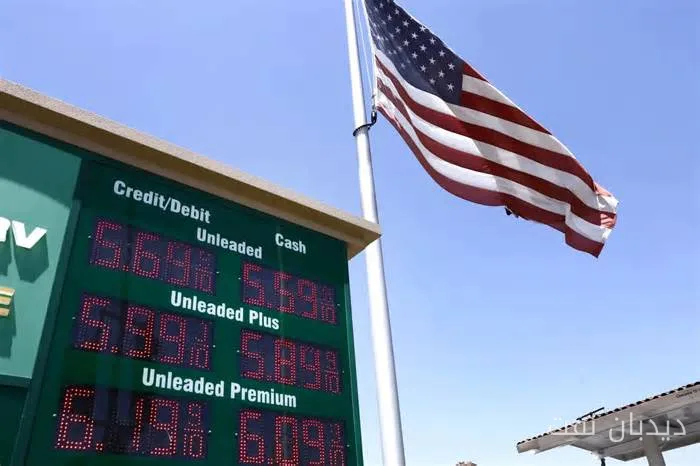
The increase in tanker shipping costs has helped create a relative advantage for American refineries. While the crisis in the Strait of Hormuz has led to rising oil prices and pressure on buyers in Europe and Asia, the U.S. has benefited from its nearby oil resources.
Oil Market Status
Currently, Canadian oil is priced at around $70 in the U.S. market, while Omani oil, which reaches southern China, is sold for nearly $150. This $80 gap indicates a disruption in the global oil market and its division into several regional markets. According to analysts, this situation allows American refineries to purchase cheaper oil.
Read more: Saudi Arabia Seeks Access to Foreign Oil Reserves for Aramco
Impact of Transportation Costs
Before the Iran war, if oil was cheaper in North America than in Asia, traders would send it east. However, estimates now show that the average shipping cost per barrel has risen from less than three dollars to about $20 to $25. This increase in costs means that cheaper oil is no longer transferred to more expensive markets.
Heavy Canadian oil, known as “Western Canadian Select,” is now trading about $30 lower than other oil benchmarks, marking one of its largest discounts in history. With rising shipping costs, a portion of Canadian oil production has remained in North America, and producers are offering discounts to sell it.
America's Geographical Advantage
The proximity of oil resources to the U.S. has become more significant. The cost of securing oil in the U.S. has dropped to less than $100 per barrel, even lower than levels in March and April. In contrast, the cost of oil for buyers in other regions of the world ranges between $120 and $160. This does not mean that oil is cheaper in the U.S., but the current gap indicates America's geographical advantage in securing oil.
In Europe, refineries are willing to pay more for oil that comes from a shorter distance, as imports from farther regions come with heavy shipping costs. This has allowed Brent crude, primarily extracted from North Sea fields, to benefit from this advantage.
Economic Consequences
The increase in oil costs can put pressure on the fuel market, transportation, and industrial production. Refineries that buy more expensive oil may pass some of the costs onto product prices. This situation could lead to rising domestic costs and pressure on European and Asian industries.
Limiting tanker traffic in the Strait of Hormuz could be part of Iran's efforts to increase the economic cost of war. With rising oil prices, pressure on consumer countries and governments to combat inflation and rising energy costs increases. However, findings indicate that this pressure does not affect all countries equally.
The U.S. benefits from nearby oil resources and a portion of the supply that has remained on the continent due to high transportation costs, while Europe and East Asia are paying more to secure their needed oil. This situation has helped create a relative advantage for part of the U.S. oil industry.
Read more: Isfahan Road Maintenance Director: Data Analysis is Effective in Identifying Fuel Smuggling · Explosion in the Strait of Hormuz Following Sanctions and Rising Tensions