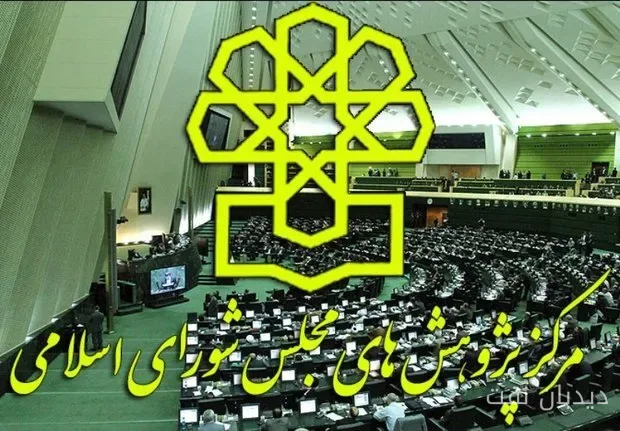
Babak Negahdari, Head of the Research Center of the Parliament, stated in a meeting that the current situation of public sector companies in the petrochemical and oil refining industries is unsatisfactory. He mentioned that the issue is not limited to the profitability or loss of a few companies, but rather we are facing a set of structural problems.
Structural Issues in Public Industries
Negahdari pointed to weak investment, fragmented ownership and management, managerial instability, and a weak performance evaluation system as the main challenges facing public companies. According to him, in some cases, investment decisions do not align with the macroeconomic needs of the country. These challenges have led to a decline in the efficiency of these companies and hindered the achievement of macroeconomic goals.
Public Sector Control Over Key Industries
The Head of the Research Center of the Parliament also stated that in the telecommunications industry, nearly the entire industry is under public control, in oil refining almost the entire industry, in petrochemicals over 90 percent, and in the cement industry about 70 percent is controlled by the public sector. This level of public control over the country's strategic industries indicates the need for a review of management and investment policies.
Negahdari emphasized the necessity of reforming the managerial and economic structure in these industries, calling for greater attention to the real needs of the country's economy and alignment of decisions with these needs. He also addressed the need to improve the performance evaluation system and increase transparency in the management of these companies.
Consequences of Ignoring Managerial Problems
Ignoring these challenges can lead to a decrease in the efficiency and profitability of these companies and ultimately have a negative impact on the country's economic growth. Therefore, structural and managerial reforms in these sectors seem essential to make the best use of existing potentials.
In conclusion, Negahdari noted that all stakeholders need to collaborate and coordinate more to enhance the status of these industries and avoid piecemeal and temporary decisions.
Read more: SK Lim Appointed as the New CEO of G2 Ocean