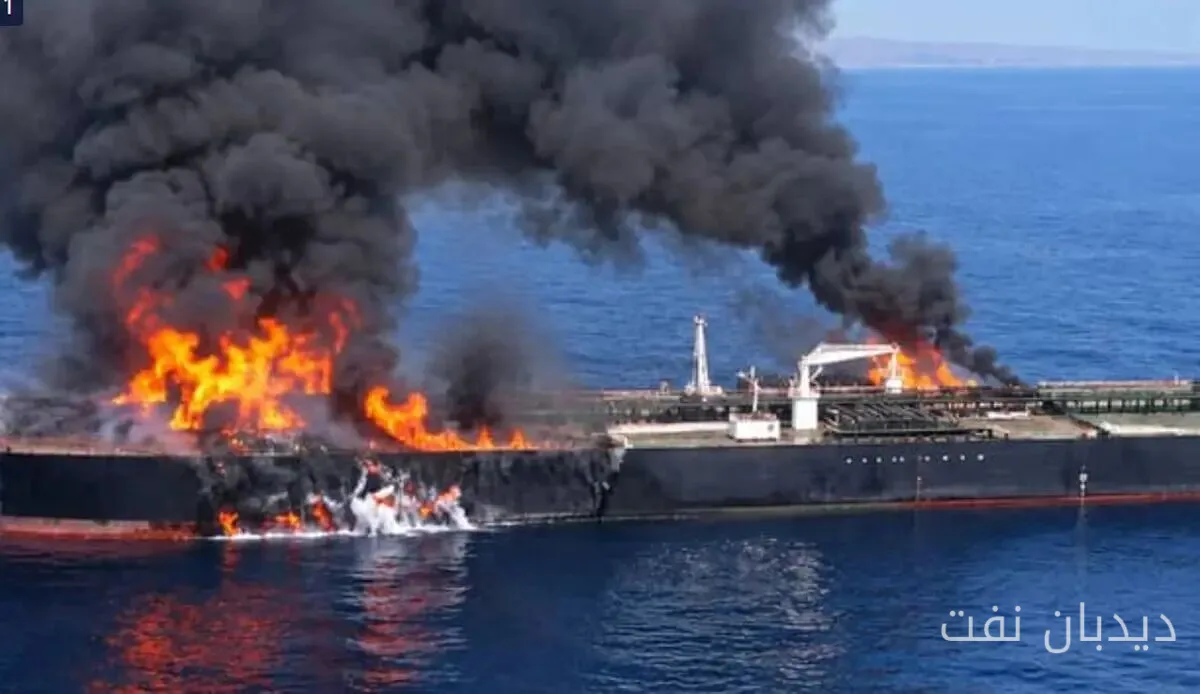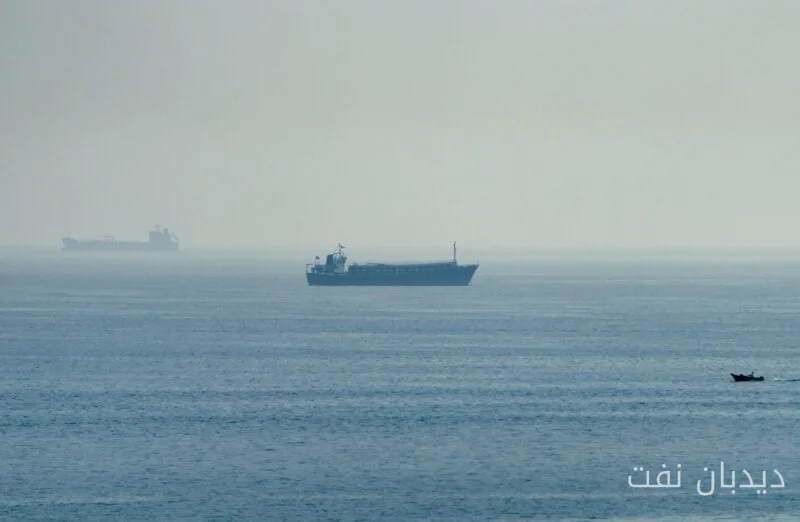
The Al Mayeda oil tanker, flying the flag of the Marshall Islands, was targeted on November 1, 2026, near the Strait of Hormuz. This tanker was carrying a shipment of liquefied natural gas (LNG) from Qatar and, according to available information, had agreed with Iranian authorities for safe passage through the Strait of Hormuz.
Details of the Attack on the Tanker
According to maritime reports, the Al Mayeda tanker was en route to the Strait of Hormuz when it was suddenly attacked. The attack was carried out by projectile fire, and fortunately, all 25 crew members, including six Indian nationals, survived the incident. However, the tanker returned towards the Persian Gulf after the attack and is currently assessing its situation.
Read more: Attack on the LNG Ship 'Al Mayeda' with the Flag of the Marshall Islands near the Strait of Hormuz
Consequences and Reactions
The Qatari Ministry of Foreign Affairs condemned the attack on the Al Mayeda tanker and emphasized that Qatar has the right to take action to protect its assets and fleet. This incident poses a serious challenge for Pakistan, which is currently facing an energy shortage. Without this LNG shipment, Pakistan may be forced to purchase from international markets at prices much higher than before.
In recent months, Pakistan has been in contact with Iranian officials to ensure that several other LNG shipments from Qatar pass safely. These shipments had successfully entered the Gulf of Oman. The attack on the Al Mayeda tanker highlights the ongoing dangers for vessels in the waters of the Strait of Hormuz, where maritime security is continually under threat.
Developments in LNG
In October, LNG flows through the Strait of Hormuz reached about 30% of pre-war levels. Qatar has been continuously sending LNG through this route since September. Meanwhile, the use of older ships to reduce additional insurance costs on high-risk voyages is on the rise. This situation reflects the complexities of energy supply in the region and the need for sustainable solutions for energy-dependent countries.
Read more: Sanctioned Tankers on the Route of Transferring Iranian Oil Shipments · Panama Canal Updates Transit Capacity Allocation Criteria