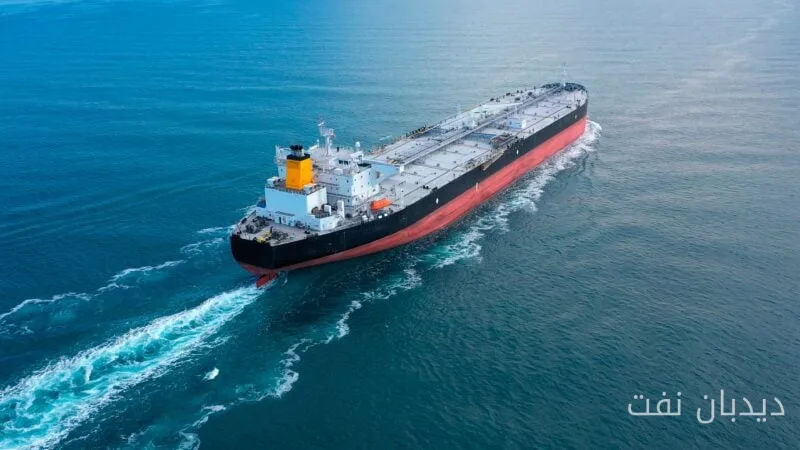
Foreign-flagged tankers have transported over $40 million worth of petroleum products between U.S. ports, without reporting their voyages to the U.S. Maritime Administration (MARAD) under the Jones Act exemption. This recently published analysis raises new questions about the completeness of official records.
Tanker Movements and Lack of Official Reporting
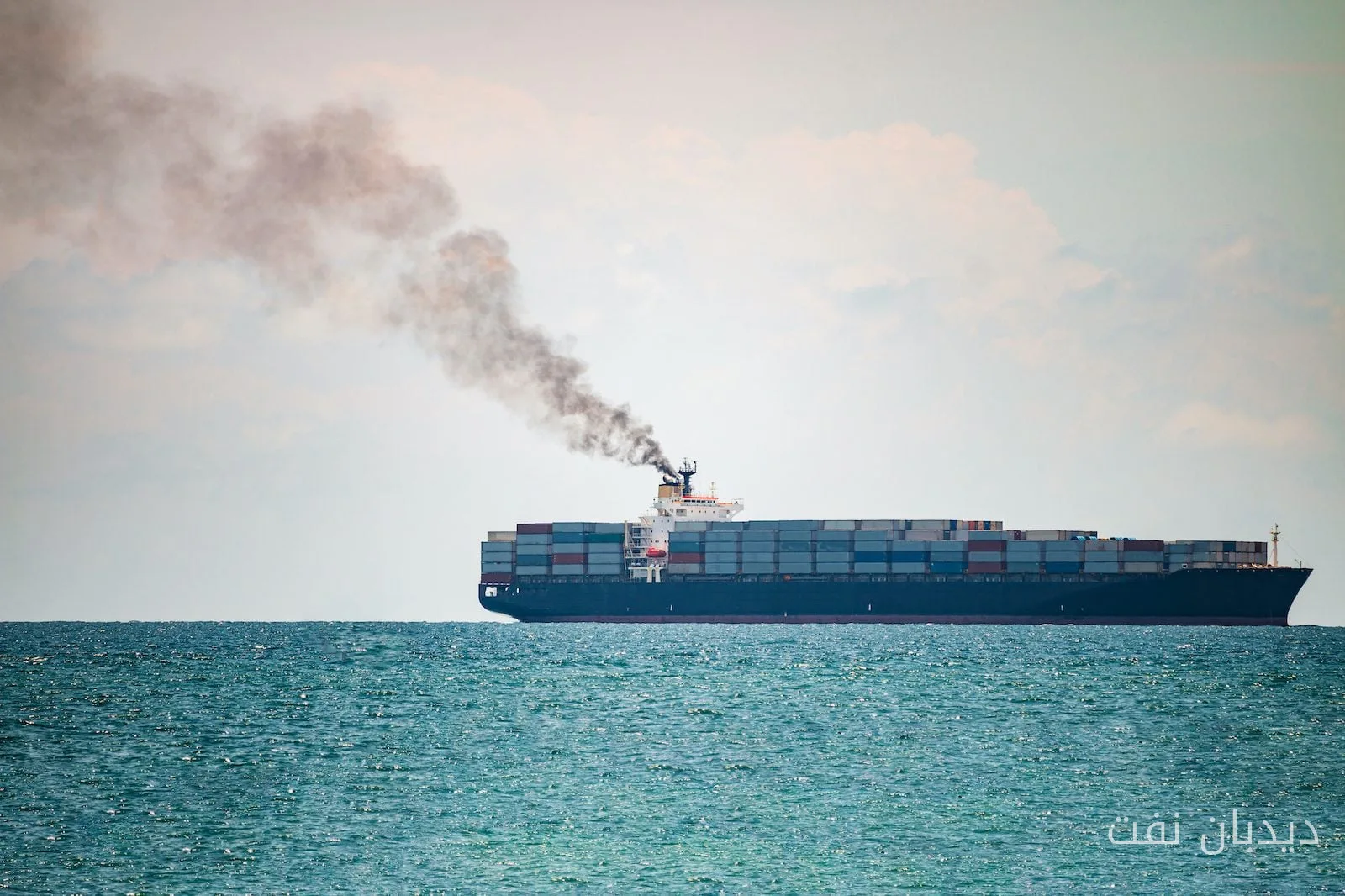
According to this analysis, at least twelve tankers owned by Chinese and other foreign owners have moved cargoes from the Gulf Coast to the East and West Coasts, as well as Puerto Rico. These tankers have engaged in these activities without providing travel information to MARAD. MARAD has confirmed these activities.
Read more: Iran Gains More Control Over the Strait in Hormuz Negotiations
The lack of registration for these voyages is significant because MARAD's public reports are recognized as the primary record of foreign vessel use in U.S. domestic trade since the emergency exemption was issued in March. Under federal law, the owner or operator of a vessel under exemption must report their voyages to MARAD within 10 days.
Lack of Information and Criticism
MARAD has stated that it has no legal authority to compel companies to comply with reporting requirements. Meanwhile, the U.S. Customs and Border Protection (CBP) is responsible for enforcing the Jones Act and imposing penalties for violations. Investigations have shown that the number of recorded voyages in MARAD's public database cannot be considered the total number of voyages conducted under exemption.
Recently, MARAD released a report indicating that it counted 255 exempt movements, but this number may be incomplete. Criticism of this exemption suggests that the entry of foreign vessels into domestic trade may be detrimental to U.S.-flagged operators. In contrast, proponents of the exemption argue that these movements reflect an increase in domestic energy transportation.
Analyses also indicate that MARAD has currently tightened the exemption process significantly. Specifically, since August 17, a new 90-day extension has been implemented that requires a vessel access request. These changes in the reporting system may also cause delays in providing information.
Read more: GCMD and BCG Report: Developments in Marine Fuel Transition by 2050 · Attack on Saudi Arabia's East-West Pipeline and Its Impact on the Oil Market