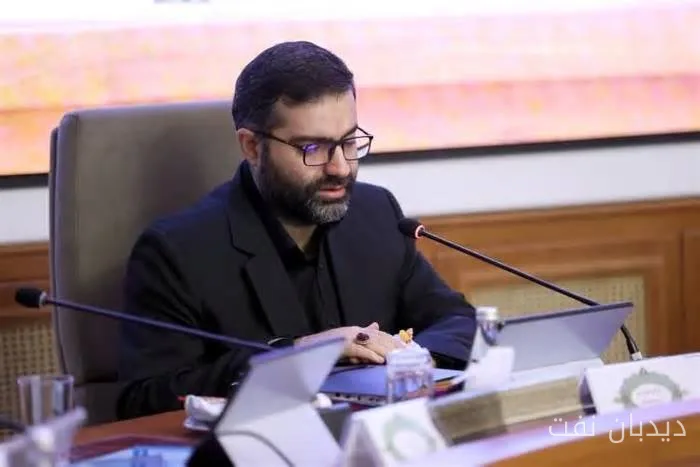
Abdulhassan Hemmati, a member of the Energy Commission's board of directors in the Parliament, emphasized the necessity of reforming energy management practices and the importance of economic savings in his remarks. He pointed out that the current energy imbalance is not only a result of today's performance but also stems from inefficient management and lack of infrastructure development in previous years.
Energy Resource Management and the Necessity of Savings
Hemmati identified one of the two main paths for managing energy resources as increasing production and the other as savings and improving efficiency. According to him, optimizing energy consumption is often more economically viable than increasing production capacity. In this regard, he stressed that reducing energy wastage should be a priority for governmental agencies.
Read more: PD Ports Launched a New Marine Operations Base in Teesport
This parliament representative provided an estimate stating that in some cases, a specific amount of energy can be saved through optimization with about one-fifth of the production cost. This indicates that a focus solely on increasing production, without considering the capacity to reduce consumption, can impose higher costs on the country.
Suggestions for Optimizing Energy Consumption
Hemmati also emphasized the need to improve the efficiency of power plants, use energy-efficient equipment, and optimize buildings. He pointed out that the government should support the public in facilitating the use of low-energy heating equipment. Optimizing high-energy-consuming heaters and insulating buildings are other measures that can help reduce resource wastage.
One of the examples mentioned by Hemmati in this context is the management of the country's heavy and outdated transportation fleet. He stated that weaknesses in planning can lead to fuel consumption without fully utilizing transportation capacity. For instance, a truck may transport a load from Kerman to Bandar Abbas but return empty, resulting in fuel wastage and costs to the country.
Hemmati stressed the necessity of organizing transportation data and coordinating supply and demand for cargo, which can help reduce empty trips and consequently save fuel consumption. He also referred to fuel smuggling as one of the existing problems and stated that preventing smuggling could help increase the available capacity in the country to meet domestic needs.
Rahmatollah Noorouzi, a representative of Aliabad Katul, also spoke about the necessity of reviewing the performance of officials in implementing development programs, stating that not all energy sector problems can be attributed to current conditions. He emphasized the need for planning and infrastructural actions to meet the electricity needs of Golestan province, noting that the province's demand is about 1,750 megawatts, while its electricity production is estimated at around 730 megawatts.
Read more: Eurasius Signed a Daily Lease Contract for $62,500 for the Cargo Ship M. Kerfo · Masoud Pezeshkian: A Thousand Fuel Tankers Leave the Country Daily