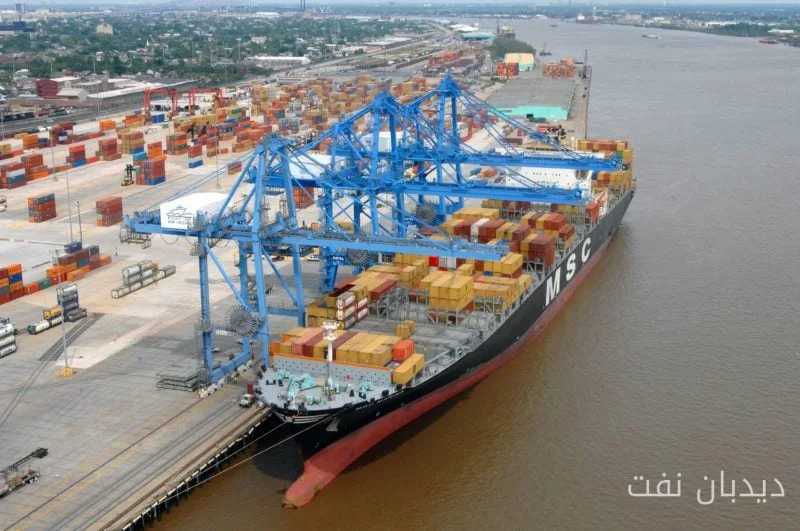
The Port of New Orleans is facing serious traffic issues with the arrival of a $500 million copper shipment from Africa. This shipment, which represents the largest market value for a cargo shipment in recorded history, is part of an ongoing copper import flow to the United States that occurs on the brink of potential import tariffs.
Traffic Issues at the Port of New Orleans
According to available information, the Port of New Orleans, known as a key gateway for metals and the main storage hub for copper of CME Group, is heavily congested. It is expected that around 100,000 tons more copper from Africa and South America will arrive at this port in September and October. Anton Posner, CEO of logistics company Mercury Resources, has stated, "We are witnessing serious traffic at the marine terminals in the New Orleans area, causing delays in loading copper and other metals and steel onto trucks and railcars."
Read more: U.S. Officials Meet with Houthi Representatives in Oman Following Advances on the Red Sea Coast
Impact on the Copper Market and Potential Tariffs
The $500 million copper products and the traffic at the Port of New Orleans are part of a long drama in the global copper market as traders prepare for President Donald Trump's decision regarding the potential expansion of import tariffs on metals. Although no decision has been made yet, the continuous influx of copper into the market persists. This strong copper importation into the United States has been a key factor in the unprecedented rise in copper prices. Since the official proposal of tariffs on this metal in February of last year, global prices in the London metal market have increased by about 50 percent.
In recent weeks, the gap between domestic and international prices has narrowed, and this has become a key question across all corners of the copper industry. As to whether copper imports to the United States will decrease or not, investors and producers are trying to understand whether these price increases will be sustainable.
Warehousing companies are also requesting additional capacity from Comex as storage needs in the United States have surged. Since the beginning of 2025, this exchange has announced that it has added 20 warehouses and nearly 725,000 tons of copper capacity. This amount is equivalent to about 39 percent of the annual refined copper consumption in the United States.
Read more: Turkey Offers Peace Proposal to End Attacks on Commercial Ships in the Black Sea · Iran and U.S. Missiles; Oil Market on the Brink of Price Revolution