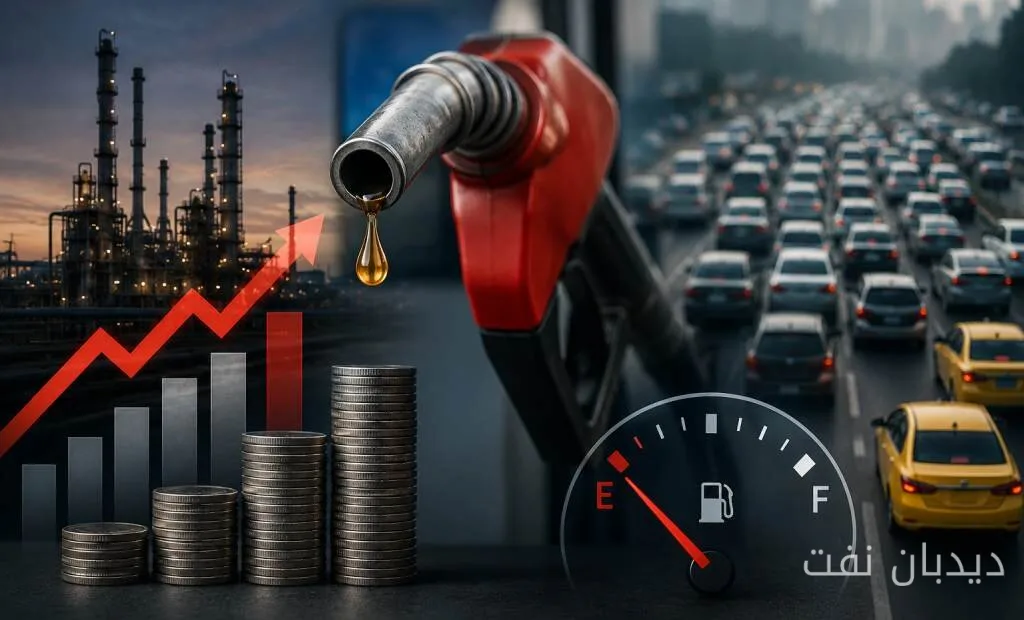
The third increase in gasoline prices to 10,000 tomans has acted like a spark in the powder keg of Iran's economy. This decision has not only provoked widespread reactions in society but has also raised serious questions about its impact on people's livelihoods and the state of inflation.
Inflation and Livelihood in Focus
Any price increase, especially in the energy sector, can quickly affect other goods and services. With the rise in gasoline prices, a wave of concerns about rising prices and decreased purchasing power has emerged. Many people are worried that this decision will not only fail to improve the economic situation but will also impose a greater financial burden on them.
Has Consumption and Fuel Smuggling Decreased?
The question arises whether this price increase has truly led to a reduction in consumption and fuel smuggling. In a situation where prices have risen unprecedentedly, have people been pushed towards reducing consumption, or has this price increase become a reason for more fuel smuggling?
Economic analysts believe that the increase in gasoline prices could fuel the demand for fuel smuggling, as it may be more economical for some individuals than buying gasoline at the new prices. This could lead to the creation of a black market and an increase in fuel smuggling in the country.
In the end, it remains to be seen whether this economic decision can lead to an improvement in the country's economic situation in the long run or merely add to the suffering of the people. The future will show whether these pricing policies will lead to a reduction in smuggling and consumption or exacerbate the livelihood problems of the people.