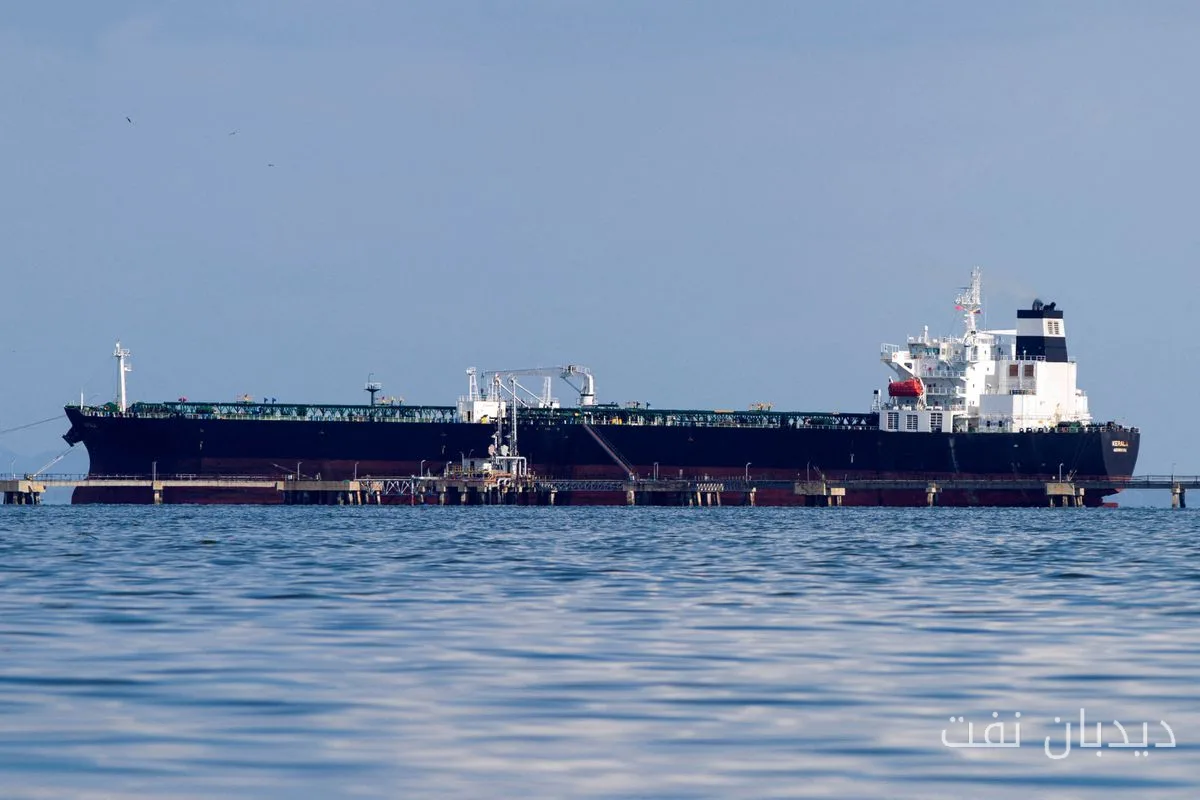
Global trading companies Vitol and Trafigura are negotiating for greater discounts on Venezuelan crude oil. This comes as transportation costs have sharply increased, reducing their profit margins. These two companies, which are among the largest players in the Venezuelan oil market, control more than half of the country's exports.
Challenges in the Venezuelan Oil Market
The sale of Venezuelan crude oil, especially the heavy type known as Merey, has gradually improved this year from the heavy discounts imposed due to sanctions. However, the current market situation and rising transportation costs pose a threat to this improvement. In recent weeks, transportation costs for oil have reached their highest levels, due to frequent attacks on shipping since tensions began between the United States and Iran.
Current Status of Venezuelan Oil Exports
In August, Venezuelan oil exports remained almost unchanged at 1.17 million barrels per day. However, Vitol and Trafigura managed to maintain their export volume at around 597,000 barrels per day. This is while oil tankers are facing long waiting times to load in Venezuelan ports, which could hinder U.S. plans for a rapid increase in the country's oil exports.
Vitol and Trafigura are now looking to purchase oil at prices $18 to $20 lower than Brent crude prices to offset rising transportation costs. This situation puts additional pressure on the state-owned PDVSA and its partners. The formula price for heavy Merey oil increased to $76.82 per barrel in August, while this price was $67.36 in July.
Therefore, recent developments in the Venezuelan oil market indicate serious challenges for trading companies and the government of this country. With rising transportation costs and the need for greater discounts, the future of Venezuelan oil exports remains uncertain.



