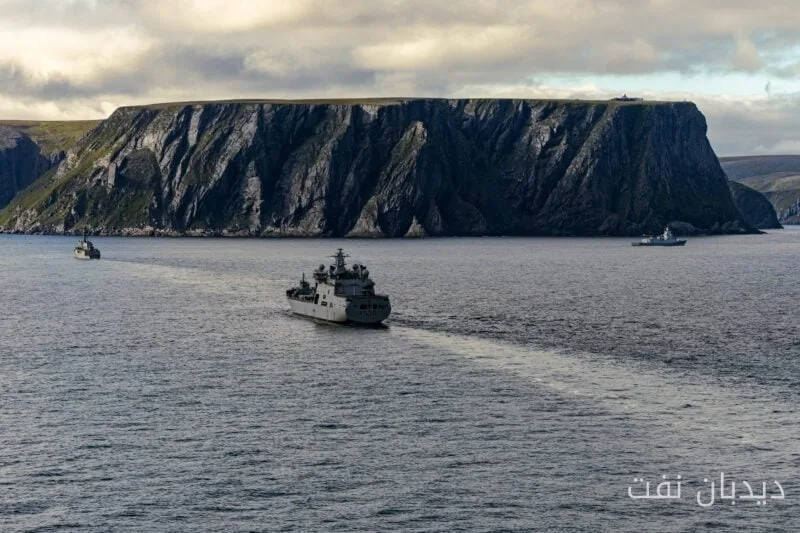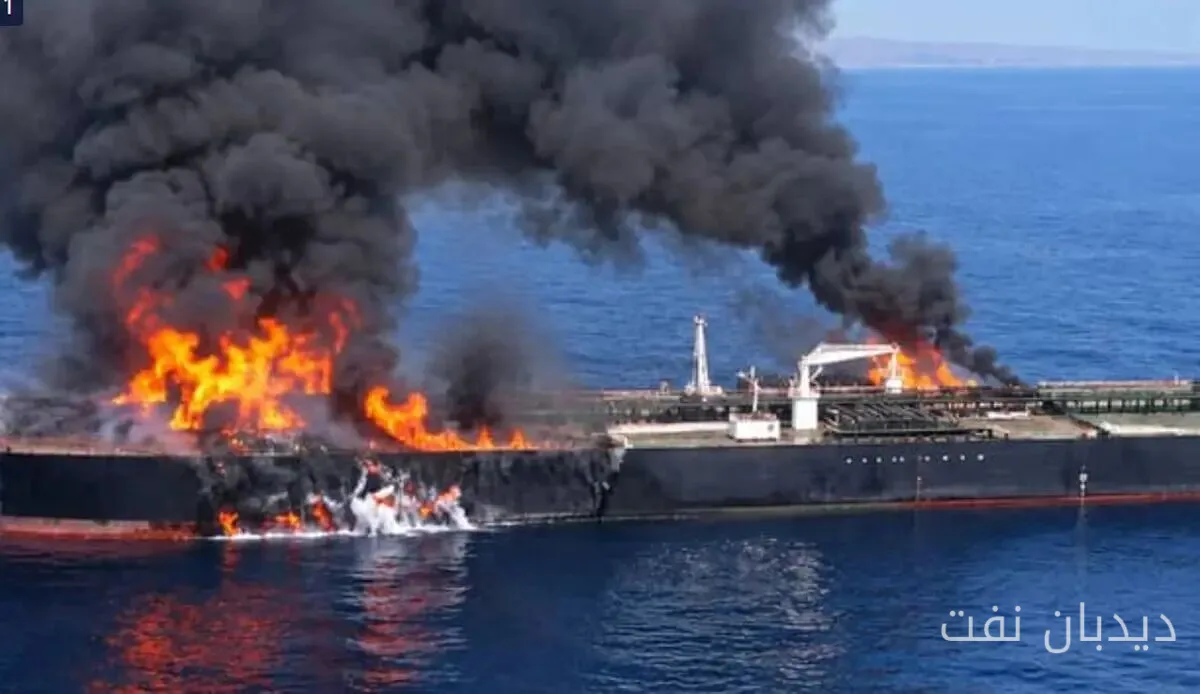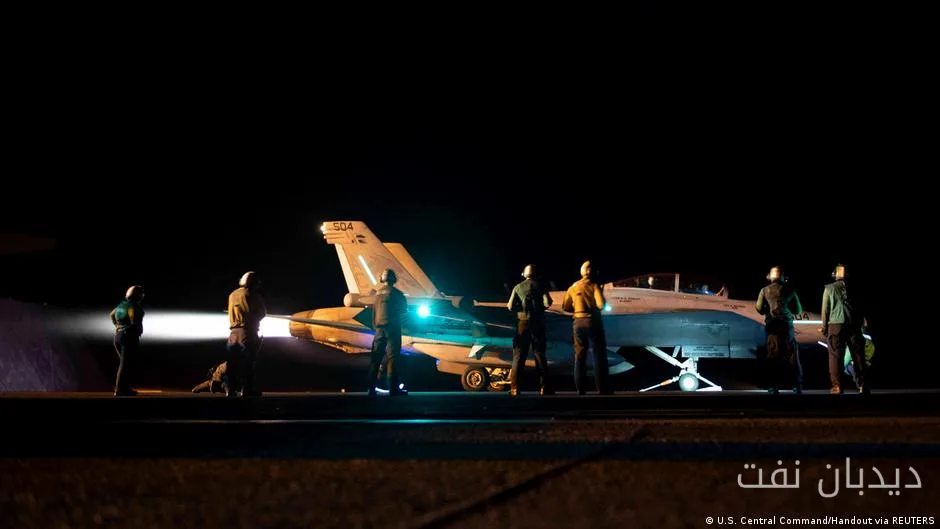
The U.S. military conducts round-the-clock aerial missions in the Strait of Hormuz to protect commercial vessels and enforce a maritime blockade on Iranian ports. This operation, designed to prevent Iranian aerial threats to passing ships, includes frequent flights of fighter jets stationed on the USS George Washington aircraft carrier.
Increased Pressure on Military Forces
According to reports, increased pressure on U.S. aircraft, warships, and technical forces has been observed due to the continuation of these operations. Fighter jets stationed on the USS George Washington take off every night to intercept cruise missiles and drones launched by Iran. This action is part of a broader mission of U.S. forces to maintain shipping security in this vital waterway.
Read more: A rogue tanker collided with sea mines east of the Strait of Hormuz
According to U.S. officials, the continuation of flights has placed significant pressure on crews and military equipment, increasing the need for maintenance. The USS George Washington aircraft carrier, which has been stationed in the region since August, operates in the Persian Gulf, and its fighter jets have been assigned protective missions.
Protective Operations and Their Impact on Oil Exports
U.S. Central Command, CENTCOM, has announced that the maritime blockade began on April 13, 2026, and includes all countries whose ships have access to Iranian ports. Meanwhile, the passage of ships through the Strait of Hormuz to or from the ports of other countries will not be disrupted.
CENTCOM has also stated that it has assisted over three thousand commercial vessels in passing through the Strait of Hormuz in the past six months, and crude oil exports from Gulf countries have exceeded one billion and five hundred million barrels since the summer. The center claims that regional oil exports have recently surpassed pre-war levels.
Operations to protect commercial vessels using aircraft carriers, destroyers, and a range of aircraft and drones stationed in various parts of the Middle East continue. In this mission, fighter jets coordinate with other support aircraft to create protective coverage over tankers and passing ships.
Admiral Darryl Caudle, head of U.S. Naval Operations, has pointed to the pressure resulting from long missions and emphasized the need for clarity regarding the duration of missions for sailors. The USS Abraham Lincoln is one example of the pressure from long missions, with its crew having completed one of the longest recorded deployments after 286 days at sea.
Read more: The Oman Navy evacuated 25 crew members from a tanker following an Iranian attack · Brent crude oil price reached $116; sanctions and security concerns impact the Strait of Hormuz