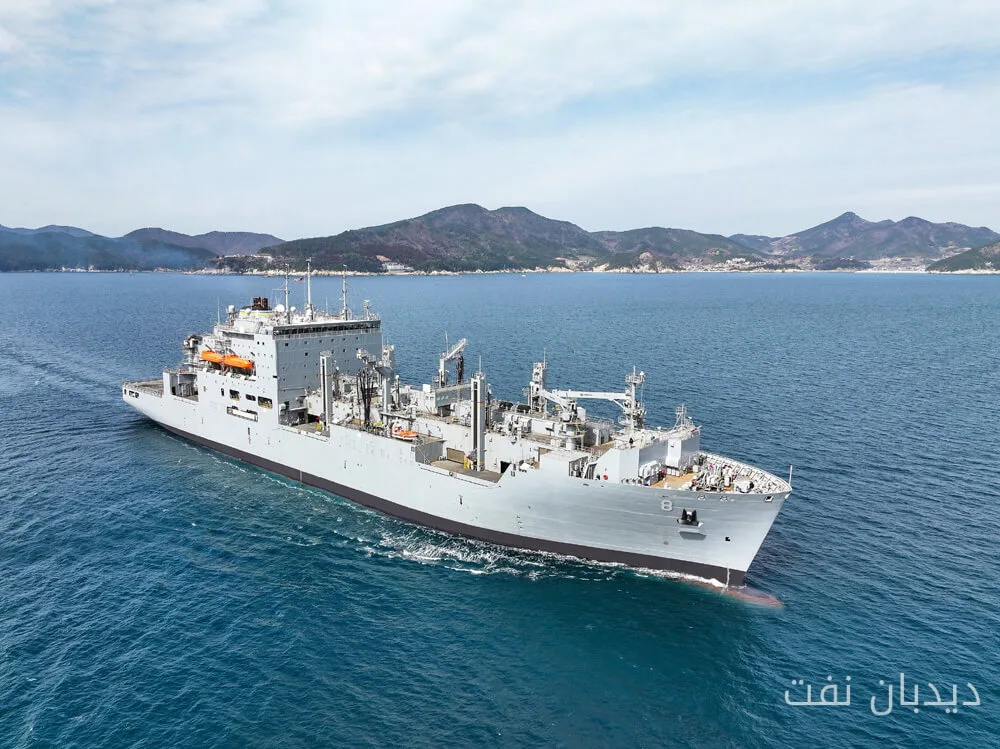
The U.S. Navy, in its fleet construction plan introduced in May 2026, has addressed shipbuilding challenges and the need for fundamental reforms in this industry. This plan represents structural changes in the U.S. shipbuilding industry and the inability to meet defense needs against challenges from China.
History and Current Status of the Fleet
The number of U.S. Navy warships has decreased from 568 ships at the peak of the Cold War in 1987 to 271 ships in 2015. According to the new plan, the Navy is striving to increase the number of warships to 299 by 2031, which is still below the legal target of 355 ships. This reduction in the number of ships, along with construction delays and maintenance issues, has challenged the status of the fleet.
Read more: Daily use of artificial intelligence in the maritime industry by 63% of specialists
Construction and Maintenance Challenges
The Navy is facing a construction and maintenance crisis caused by a reduction in the workforce and increased delays in shipbuilding. Hiring skilled labor to boost submarine and warship production requires 100,000 personnel. While the Navy seeks to increase production capacity, existing issues in shipbuilding and maintenance have severely impacted its capabilities.
In this context, the new Navy plan emphasizes the need for greater production capacity and optimal use of existing resources. This plan is an effort to create a more coherent system in shipbuilding and maintenance and improve the current situation, but it remains unclear whether these changes can yield the desired results.
Prospects for International Cooperation
Changes in the U.S. Navy fleet construction plan also refer to cooperation with other countries, particularly South Korea. These collaborations could help enhance U.S. industrial capabilities against challenges from China. Given the growing role of South Korean companies like Hanwha and Samsung in U.S. maritime industrial discussions, these collaborations could serve as a serious test for the announced reforms in practice.
The challenges facing the U.S. Navy, especially in shipbuilding and maintenance, indicate the need for a new approach and a reevaluation of industrial policies. This situation not only affects the defensive capabilities of the United States but will also influence economic and industrial trends.
Read more: Record natural gas production in the U.S. registered in July 2026 · Ban on operations of the icebreaker Healy impacts the U.S. Navy in the Arctic



