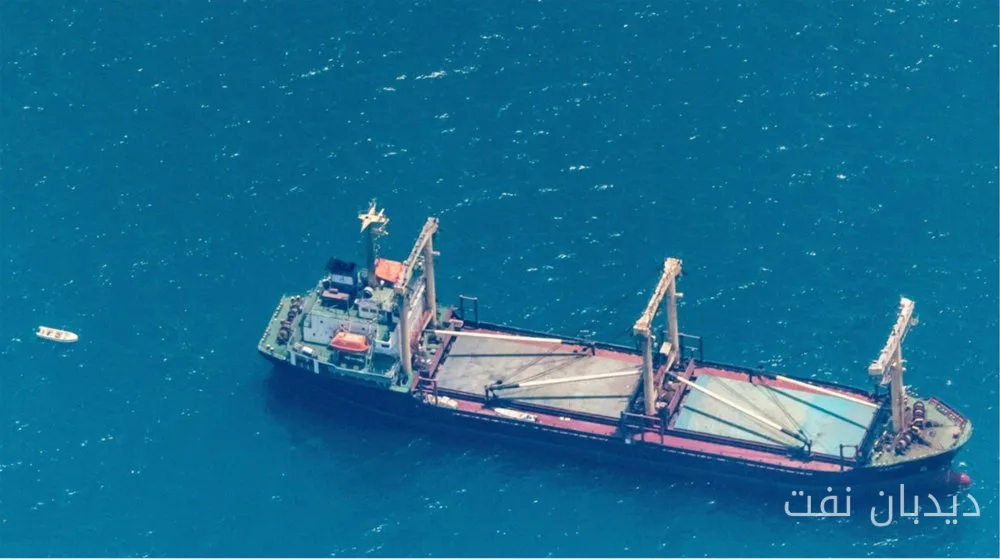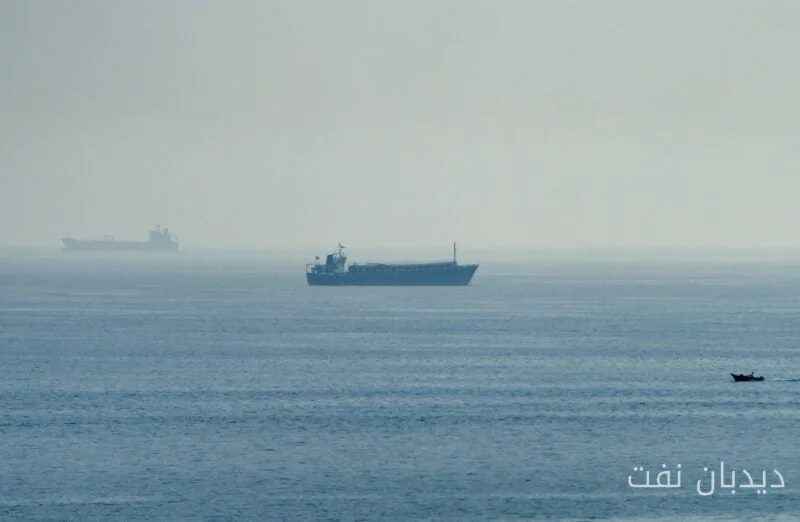
The US has rejected the claim by the Islamic Revolutionary Guard Corps of Iran that the Panamanian oil tanker Al Gaya hit a sea mine in the Strait of Hormuz, stating that instead of hitting a mine, this ship has been the target of two separate attacks by Iranian weapons.
Details of the Attack on the Oil Tanker Al Gaya
The Iranian Revolutionary Guard stated that the oil tanker Al Gaya collided with a sea mine while passing through the Strait of Hormuz, causing a fire on the ship. However, US Central Command (CENTCOM) has stated that this tanker was first targeted by an Iranian missile last month, which rendered it inoperable. Then, the ship was attacked again over the weekend, this time encountering an Iranian drone in waters near Oman. Currently, the oil tanker Al Gaya is being towed towards port by a regional partner.
Security Threats in the Strait of Hormuz
US Central Command has claimed that the Revolutionary Guard's assertion is yet another example of their lies and efforts to intimidate commercial vessels in this strait. Additionally, the Maritime Transportation Security Center (JMIC) has reported that three ships have been attacked in the Strait of Hormuz in the last 72 hours. On September 10, an oil tanker reported sighting another ship burning approximately six nautical miles away. Furthermore, another oil tanker requested assistance on September 12 due to a collision with an unknown project.
The JMIC continues to assess the threat to commercial shipping in the Strait of Hormuz as "severe" and warns that deliberate hostile actions remain highly likely. The center also alerts mariners about mine-laying activities around the traffic separation scheme, project attacks, Revolutionary Guard surveillance, and efforts to influence ship routes.
This warning comes less than three weeks after Admiral Brad Cooper, the CENTCOM commander, stated that Iranian mines had been cleared from internationally recognized maritime routes in the Strait of Hormuz. Cooper had announced that US forces had been working for months to clear mines from the traffic separation scheme using Navy divers, special maritime forces, and air power.
Maritime traffic through the Strait of Hormuz is also significantly below normal levels. According to assessments by the UKMTO, vessel traffic has decreased by about 90% since September 11 compared to pre-conflict levels. In the past seven days, the average number of facilitated transits reported by the US from the southern route has reached about 20 ships per day, compared to only six AIS-based transits per day, indicating a high dependency of traffic on facilitated passage.
Read more: Third Gasoline Rate; A Controversial Start for Energy Imbalance Management · The Cargo of Oil Tanker