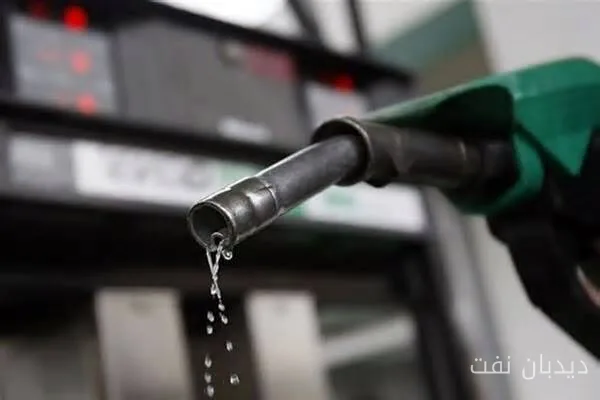
In today's world, managing energy resources has become one of the fundamental challenges for countries. In this context, the third gasoline rate is recognized as the first step in correcting energy imbalance. This measure not only helps reduce fuel consumption but can also lead to improvements in economic and environmental conditions.
Complementary Measures for Improving Energy Status
Experts believe that to achieve a sustainable energy system, merely increasing gasoline prices is not enough. It is necessary to also prioritize the development of CNG and the scrapping of old vehicles alongside this measure. These two actions can simultaneously help reduce air pollution and improve the quality of life for citizens.
Currently, given the high volume of gasoline consumption and the problems arising from energy imbalance, the necessity of these measures is felt more than ever. Analysts believe that if the government is looking for a comprehensive solution to correct energy imbalance, it must pay attention to all aspects of this issue simultaneously.
Challenges Ahead for Reforms
However, it should be noted that any change in fuel prices can be accompanied by social reactions. The increase in gasoline prices is always met with public concerns, and this requires careful and efficient planning by officials. In this regard, raising awareness and informing the public can play a significant role in alleviating these concerns.
Ultimately, it seems that the third gasoline rate can act as a preventive measure in managing energy imbalance; however, to achieve long-term goals, there is a need for a comprehensive strategy and synergy with other measures. Undoubtedly, the future of the country's energy depends on how these reforms are managed.