In a controversial decision, the Fifth Circuit Court of Appeals in Mississippi has declared that the U.S. Constitution does not guarantee any right to access clean water. This ruling was issued on Friday, affirming a lower court's decision that had dismissed a lawsuit from several residents of Jackson, Mississippi in 2022.
Serious Challenges for Jackson Residents
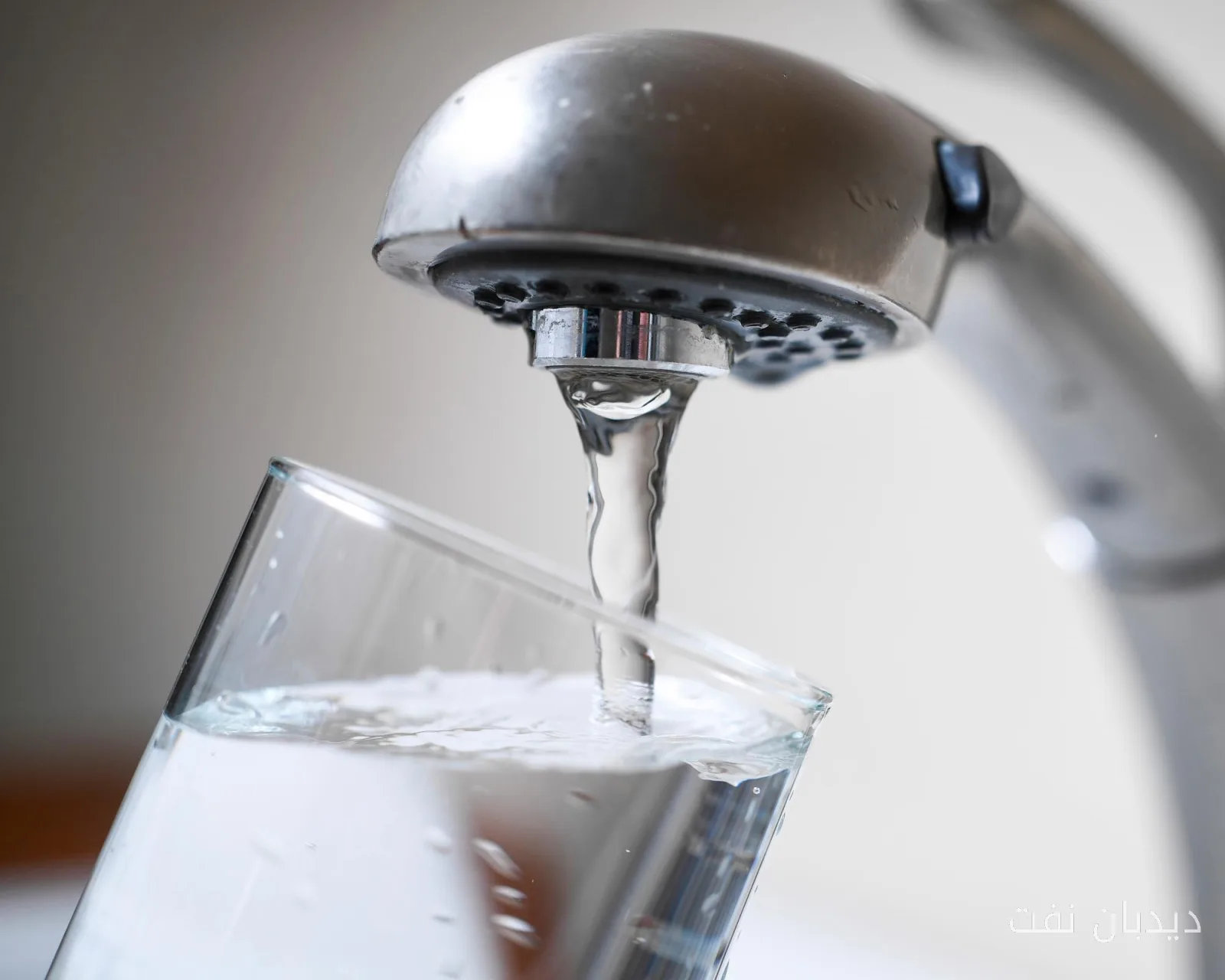
Residents of Jackson, a city facing serious water pollution issues, claimed that their contaminated drinking water violated their legal rights. However, the court simply rejected this complaint, thereby ignoring their fundamental rights. This ruling is concerning not only for Jackson residents but for all Americans who lack access to clean water.
The impact of this ruling could extend beyond Jackson, as it appears that the government and responsible agencies for providing drinking water can easily use this decision as a justification for inaction against water pollution. This issue could lead to even more serious crises, especially in areas where there is a shortage of clean water resources.
The Future of Human Rights in the United States
As this ruling is seen as a turning point in the history of human rights in the United States, many questions arise about the government's commitment to meeting the basic needs of its citizens. Can we truly trust a government that disregards people's right to clean water? Is this not a sign of weakness in the country's legal system?
In light of this decision, the future of human rights, particularly the right to access clean water in the United States, is severely called into question. Jackson residents must stand against this systemic injustice and defend their right to clean water. Will this movement lead to changes in public policy or not? Only time will tell.