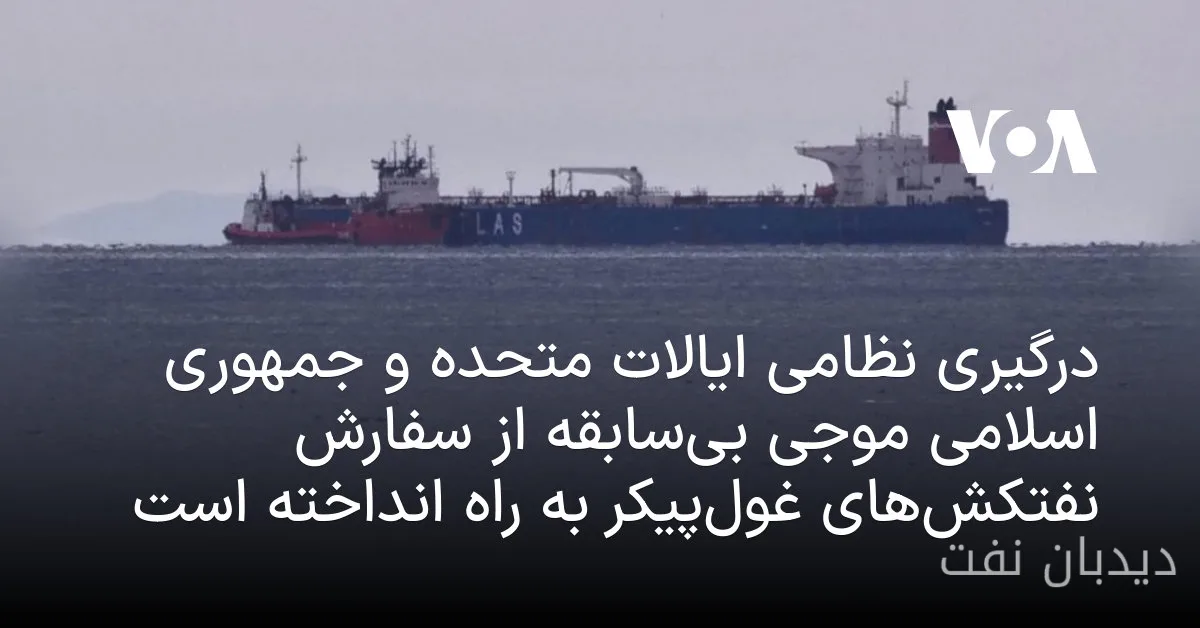
The unprecedented increase in orders for supertankers to 217 vessels since the beginning of 2026 indicates major changes in global oil trade routes due to the military conflict between the United States and the Islamic Republic. Data from the shipping analytics company "Signal Group" shows that this number is double the 93 vessels registered in 2025. Additionally, the company "Alide Shipbroking" estimates the number of new orders at 164 vessels compared to 83 vessels last year.
Factors for the increase in orders
The practical closure of the Strait of Hormuz following the conflicts is one of the main factors contributing to the increase in orders. Previously, about one-fifth of the world's oil and liquefied natural gas passed through this waterway. Currently, Asian and European refineries have turned to more distant sources, especially the United States and the Atlantic region, to replace Middle Eastern oil.
Read more: TechnipFMC has received a multi-million dollar contract for the Petromas offshore project
U.S. crude oil exports have reached historic highs, and South American producers, especially Brazil, Guyana, and Argentina, are also increasing supply. Forecasts indicate that oil production on the eastern coast of South America will increase by 2.5 million barrels per day by 2030, with a large portion of this oil being transferred to Europe and Asia. This increase in transport distance further raises the demand for large tankers.
Challenges in oil transportation
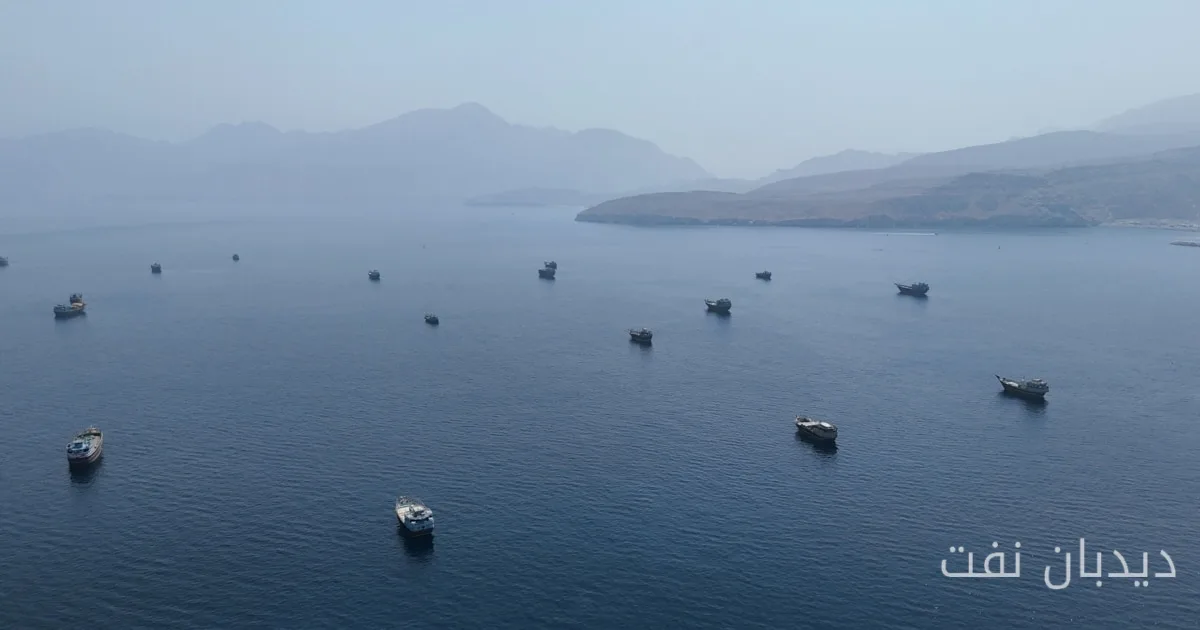
Gulf producers are facing new challenges. Many shipowners are reluctant to expose their tankers to the risk of attacks from the Islamic Republic in the Strait of Hormuz. As a result, some oil is being transported by smaller ships from the Gulf and transferred to larger tankers in the Sea of Oman.
Damage to the East-West pipeline in Saudi Arabia has also intensified the pressure. Lars Barstad, CEO of the tanker company "Frontline," has stated that Saudi Arabia will be forced to have a greater presence in the maritime oil transport market, at least temporarily.
Transportation costs have also risen sharply. According to data from "Alide Shipbroking," the daily rate for supertankers has risen from about $132,000 before the war to over $500,000. Additionally, about 20 percent of the world's supertanker fleet is over 20 years old and in need of replacement. Demand for long-distance oil transport is expected to continue in the coming years.
Read more: The closure of the Saudi oil pipeline has affected oil supply to Europe · Mohsen Paknejad announced an increase in diesel production in the country