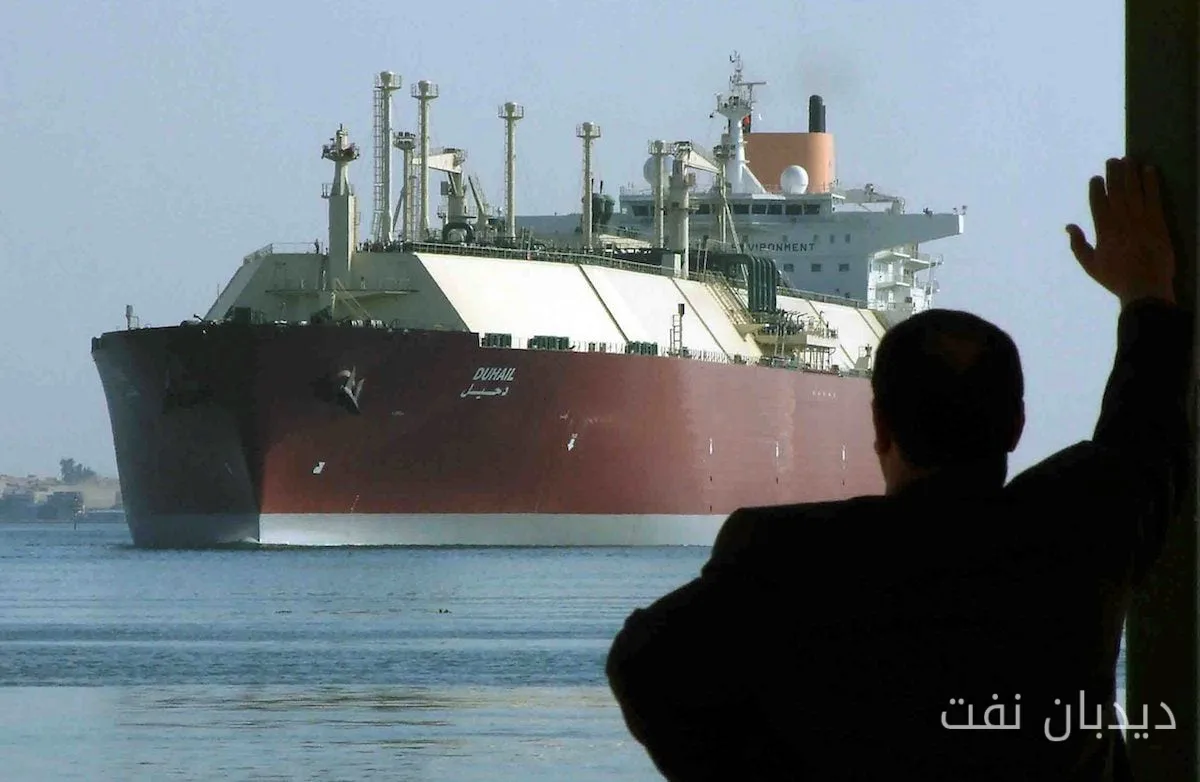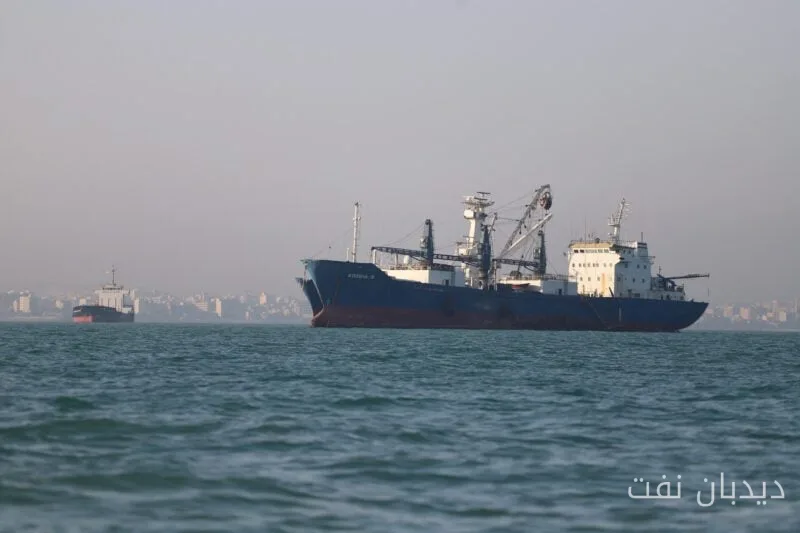
Two tankers, one flagged under Singapore named GFS Pride and the other under Antigua and Barbuda named Cape Dao, sank in the Strait of Hormuz in the past 24 hours. These incidents were reported to be caused by missile attacks in two separate events, significantly increasing concerns about the security of shipping in this waterway.
Details of the Tankers' Sinking
The tanker GFS Pride, which has a capacity of 2,824 containers, was passing through the Strait of Hormuz when it sustained damage and caught fire, ultimately sinking. All 21 crew members of this tanker were rescued safely, and no injuries were reported. This incident occurred on Tuesday, October 13, while the ship was navigating through the Strait of Hormuz.
Read more: Successful Sale of Lila Global Tanker with a Price Increase of $56.5 Million
In another incident, the tanker Cape Dao sank near the Strait of Hormuz. This ship also sank a few weeks after it was damaged in a missile attack on September 23. In this incident, one crew member was killed, and the rest were rescued immediately after the attack.
Increase in Attacks and Its Consequences
Attacks on commercial ships in the Strait of Hormuz have significantly increased in the past 10 days. Iran has stated that it will continue these attacks in response to U.S. blockades and recent harsher sanctions. Maritime and security officials have expressed serious concerns about the increasing threats to commercial shipping, describing these attacks as unjustified and a violation of international laws.
An analysis of IMO casualty data shows that GFS Pride and Cape Dao are the second and third ships to sink since the start of the U.S.-Iran war on February 28. Given that about one-fifth of global oil and liquefied natural gas trade passes through this strait, the increase in attacks in this region is extremely concerning.
Iran is seeking to strengthen its control over this waterway and continues to use new tactics against ships to influence oil prices and the U.S. midterm elections. Maritime officials also emphasized that the threats are not limited to tankers, as cargo and container ships are also at serious risk.
Read more: Star Bulk Carriers Sold 35% of Two Kamsarmax Tankers to Hermes · Qatar Begins New LNG Export Route to China with the Tanker Al-Rayan