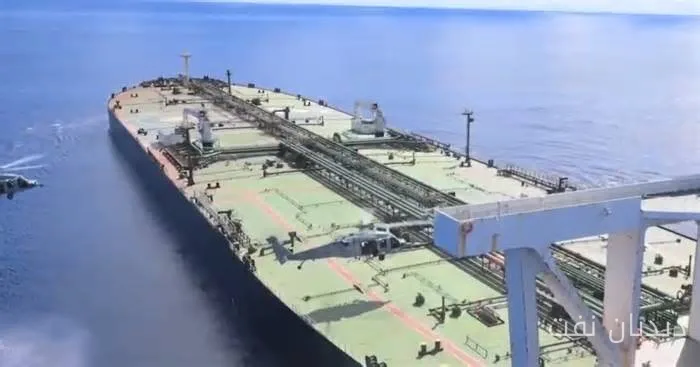
Two large oil tankers carrying Iranian oil are on their way to the shores of the United States. This news comes at a time when tensions in the region and sanctions pressure on the Islamic Republic have increased.
Analysis of the route and movement dates of the tankers
According to analysts, these tankers have passed through the Strait of Hormuz in recent weeks. The Strait of Hormuz, a strategic passage between Iran and Oman, used to transport about 20 million barrels of oil daily before the war began on February 28, 2026, which accounted for about one-fifth of the global oil supply. Officials have stated that over 20 million barrels of oil passed through this strait last week.
Meanwhile, the Islamic Republic proposed on September 25 to reopen the Strait of Hormuz, which includes lifting the naval blockade and issuing sanctions exemptions for oil sales and establishing a ceasefire. This proposal clearly indicates the pressures the Iranian government is facing due to sanctions and the current economic conditions.
America's response to recent developments
The United States government, particularly former President Donald Trump, has regarded the economic pressures from the naval blockade as a factor in Iran's recent decisions and has stated that it will not accept this proposal. The U.S. Secretary of Energy has also emphasized that the current pressure on energy prices is more due to a lack of refining capacity worldwide than to oil transfer restrictions.
In this context, Secretary of Energy Wright pointed to the serious damage to Russian refineries and the reduction of that country's refining capacity, adding that a significant portion of the refining capacity in the Middle East has also been taken offline. These issues could impact global energy prices and raise concerns about the security of energy transfer routes, especially considering the movements of the Houthis in Yemen and their attacks on Saudi Arabia.
Furthermore, the U.S. Secretary of Energy is seeking to expand electricity and energy production capacity in the United States and emphasizes the importance of increasing energy production for economic and industrial advancement. These developments could affect the global oil market and the economic decisions of oil-producing countries.
Read more: Iranian tankers heading to Texas for seizure



