As global temperatures rise due to fossil fuels, our world is undergoing fundamental changes that not only harm itself but also exacerbate the climate crisis. The latest research indicates that forests, wetlands, and frozen areas have become dangerous sources that can contribute to greenhouse gas emissions.
Impacts of Warming on Ecosystems
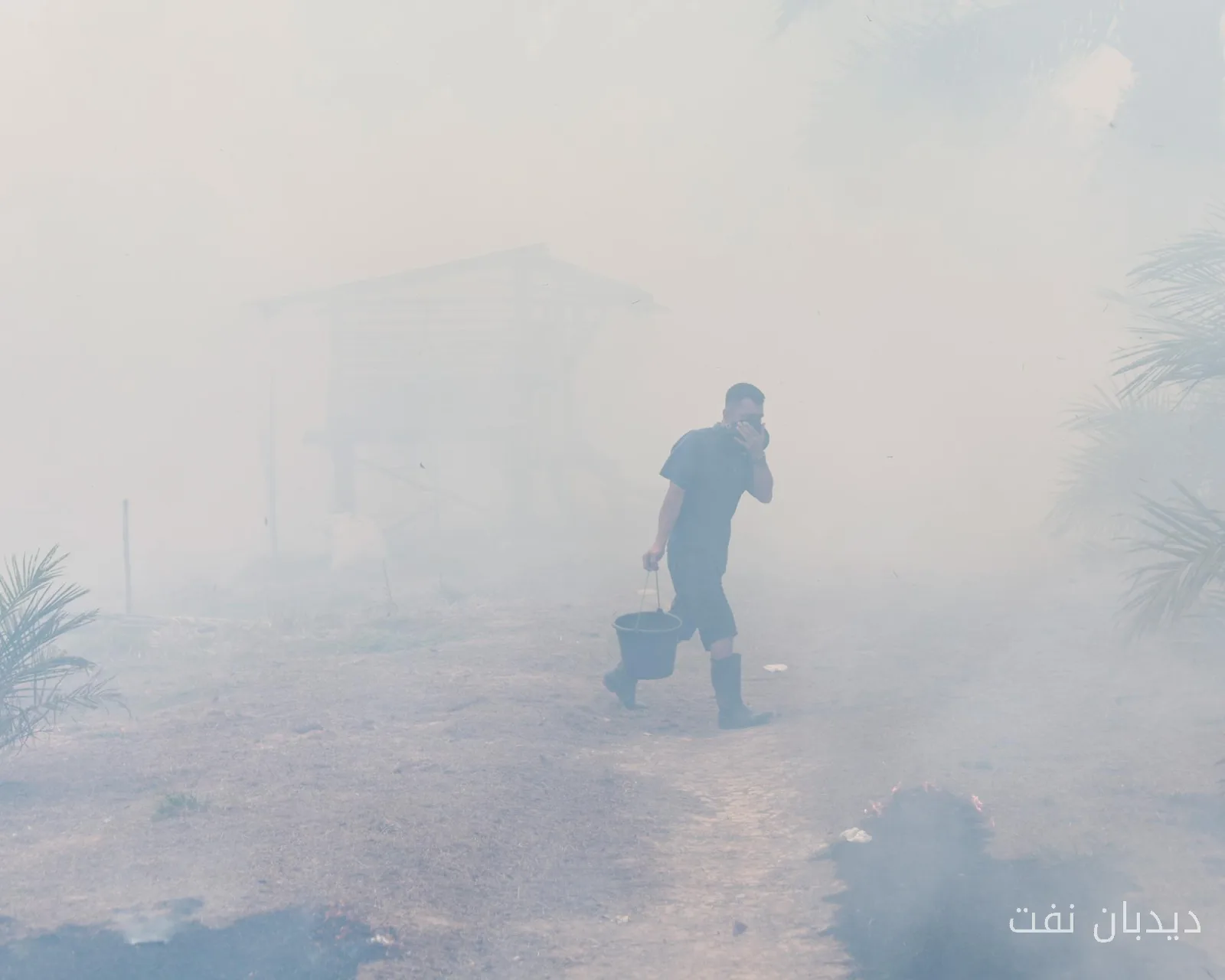
Global warming causes the melting of permafrost in polar regions and increases the intensity of wildfires in dry forests. These changes are not only dangerous in themselves but also lead to the release of methane and carbon dioxide trapped in soil and trees. In other words, forests that should act as a natural shield have now turned into carbon bombs.
These ecosystem changes clearly indicate that we are in a vicious cycle; as temperatures rise, natural resources continue to emit harmful gases, which could worsen the climate crisis by up to 30 percent. In fact, these changes are pushing our planet towards a point of no return.
Future Outlook
If this trend continues, we should expect dire consequences. From rising sea levels to severe changes in weather patterns, all of these are signs of a serious crisis awaiting us. The fact that natural resources have become a source of crisis instead of helping us is a wake-up call for all humanity.
Therefore, it seems that while we strive to cope with the effects of climate change, nature itself has become an exacerbating factor, challenging our reality. Is it not time to consider more serious solutions to tackle this crisis?