The administration of Donald Trump, the President of the United States, rejected Iran's proposal to reopen the Strait of Hormuz. This action comes in the wake of increased Houthi attacks on the capital of Saudi Arabia. Trump stated in his remarks on Saturday that Iran is seeking an agreement to reopen the Strait of Hormuz due to economic pressures.
Details of Iran's Proposal and U.S. Response
Trump said about this: "They made a proposal, but I rejected it. They want to have an agreement to quickly reopen the Strait of Hormuz because they are under severe pressure." Meanwhile, negotiations between U.S. and Iranian representatives were ongoing to reach an agreement that included reopening the Strait of Hormuz and lifting the maritime blockade on Iran. This agreement could have been similar to a memorandum that the two countries reached in mid-June, but it soon fell apart.
Read more: France is preparing a draft resolution to reopen the Strait of Hormuz
Houthi Attacks and Security Situation in Riyadh
Meanwhile, Saudi-led coalition forces in Yemen announced that air defense intercepted two drones sent by the Houthis towards Riyadh. Additionally, a ballistic missile that was fired towards Saudi Arabia's southern border was also intercepted. In this regard, Saudi civil defense systems issued warnings about potential dangers in the cities of Abha and Jazan.
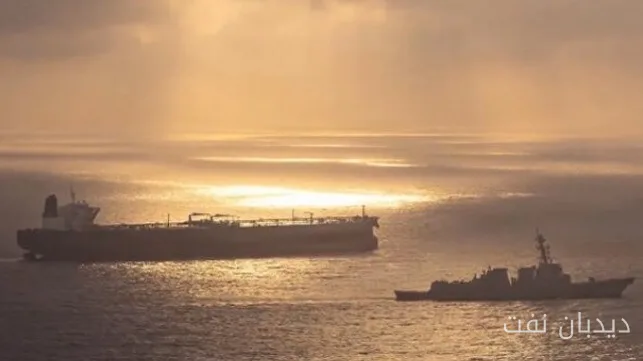
These attacks, along with recent security warnings in Riyadh, indicate an increase in military activities in the region and growing concerns about the security of the Strait of Hormuz. This strait, which is one of the most important maritime routes in the world for oil transportation, has become a key issue in international politics due to existing tensions.
Iran's Response to U.S. Threats
The President of Iran, Masoud Pezeshkian, stated in his speech at the United Nations General Assembly that his country will not allow navigation freedom in the Strait of Hormuz to be disrupted as long as U.S. sanctions and blockades continue. He also emphasized that the Islamic Republic will not relinquish its rights to develop nuclear technology for economic purposes.
These statements and Trump's rejection of the agreement indicate that tensions between the U.S. and Iran are still escalating. Especially with the midterm elections approaching in the United States, military and diplomatic actions in this region are expected to continue.
Read more: Iraqchi and Witkoff faced severe criticism in New York · Iranian tankers on the way to transfer sanctioned shipments