Abbas Araqchi, the Foreign Minister of the Islamic Republic, faced widespread and harsh criticism during his meeting with Steve Witkoff, the U.S. special envoy, on the sidelines of the United Nations General Assembly in New York. This meeting was particularly condemned by several members of the Islamic Consultative Assembly and media associated with military institutions.
Criticism and Pressure on Araqchi
Several members of the parliament have called for the impeachment of Abbas Araqchi, and the Tasnim news agency has reported that this meeting took place without coordination with responsible institutions, including the Supreme National Security Council. Mohsen Rezaei, the Secretary of the Supreme National Security Council, emphasized that the Strait of Hormuz will not be opened without meeting the seven conditions of the Islamic Republic.
Read more: Two tankers targeted in the Strait of Hormuz
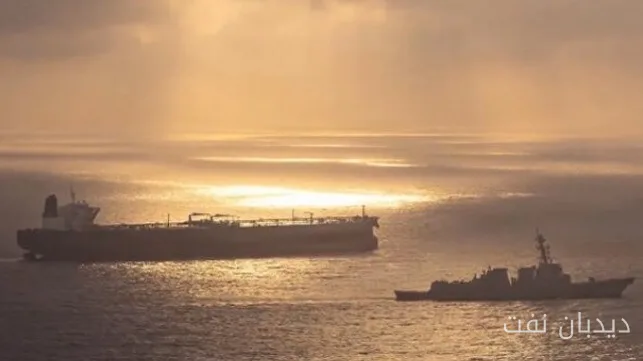
Meanwhile, Masoud Pezeshkian, the head of the government in the Islamic Republic, stated in his speech at the United Nations General Assembly that the security of shipping in the Strait of Hormuz is not possible without the cooperation of all countries. He also criticized the deployment of hostile fleets, emphasizing that the security of shipping in this strategic waterway is severely affected by political tensions.
Challenges of Negotiations and the Future of the Strait of Hormuz
According to reports, the Strait of Hormuz has become the main focus of negotiations to end the war. The Islamic Republic seeks to be freed from the U.S. economic blockade, which has put severe pressure on the country's economy, while Washington demands the establishment of free passage for ships through this key oil transit route.
A senior official of the Islamic Republic stated on the sidelines of the United Nations General Assembly that reaching a phased agreement could be a solution to the current deadlock. This agreement would include reopening the Strait of Hormuz in exchange for lifting the economic blockade by the U.S. Such an agreement could lead to a reduction in tensions in the region and improve the economic conditions of the Islamic Republic.
However, the main challenge in the negotiations is that neither party is willing to be the first to relinquish their leverage. This issue reflects the complexities present in international diplomacy and the unwillingness of both sides to show flexibility.
Ultimately, given the current situation, Iran is preparing for the possibility of a resumption of war with the U.S. while also seeking diplomatic solutions to improve its economic and security conditions.
Read more: Trends in the shipping market affected by geopolitical crises · Increase in Saudi crude oil exports to the highest level since the start of the Iran war