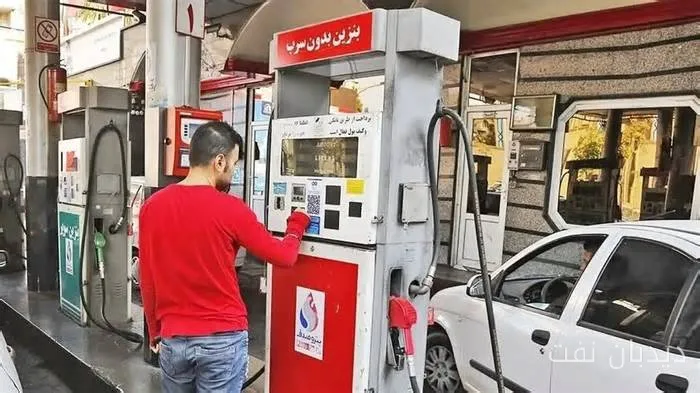
The plan to identify fuel cards in the capital has been initiated to monitor fuel consumption more accurately and control domestic smuggling. These changes come in response to the diversion of emergency card functions and the increase in unauthorized consumption.
History and Reasons for Changes
For years, drivers filled their vehicles by simply entering the four-digit code 1111 on the pumps without any trace of their identity being recorded in the system. However, this process will soon come to an end. The step-by-step implementation of the plan to identify emergency cards at fuel stations in the capital indicates that energy policymakers have chosen a new path for monitoring the flow of fuel distribution.
Read more: Winston: The Importance of Solidarity with the People of Iran at the Nofdi Conference
This plan includes online identity verification, a 1000 Toman service fee, and the issuance of a one-time password for each refueling. This software transformation may initially seem like just a change in the operational mechanism of gas stations, but it actually indicates the formation of a data-driven infrastructure to connect gasoline consumption to national codes and household consumption baskets.
Economic and Social Consequences
According to data from the smart fuel system, the share of withdrawals from emergency cards reached about 40 percent of total consumption in September. This trend indicates a diversion of the function of emergency cards and their transformation into a channel for evading rationing. The lack of identity verification for access to these cards has severely complicated monitoring fuel consumption and created a space for fuel smuggling.
Unlike diesel, which poses many challenges due to border smuggling, gasoline is less likely to cross borders due to its safety and flammability. However, domestic gasoline smuggling has become a significant challenge, with estimates suggesting it reaches 4 to 5 million liters daily.
This diversion occurs in two main ways: first, purchasing large volumes of gasoline at subsidized rates through anonymous cards and selling it in informal markets, and second, diverting gasoline to the industrial sector. The price gap between subsidized gasoline and industrial solvents has led some production units to use cheap gasoline instead of standard raw materials.
If the identification of free cards can achieve at least a 50 percent impact in reducing these leakages, it would mean a reduction of nearly 2.5 million liters of gasoline consumption per day, which is a significant figure in the country's negative energy balance.
New Refueling Mechanism
In the new method, the refueling process has been redefined so that the refueling applicant first visits a card reader connected to the Mana system. After swiping a valid bank card, identity verification is conducted based on the national code, and a 1000 Toman service fee is deducted. Finally, a one-time password for refueling is provided to the individual.
This system is designed so that if the inquired national code has no registered vehicles for the household, refueling will not be permitted. This design indicates that the government's goal goes beyond simple technical control and aims for centralized registration of consumption volumes based on national identity.
This data transparency not only puts pressure on fuel brokers but also helps policymakers to advance smart demand management and equity-based energy distribution patterns.
Goals and Future Outlook
In the initial phase of implementing the plan to identify fuel cards, two goals are pursued: collecting reliable data on household consumption and increasing the use of personal cards. Ultimately, it remains to be seen how these measures can impact the change in fuel consumption composition or its reduction.
Read more: Iran Has Specific Conditions for the Reopening of the Strait of Hormuz · The Plan to Identify Fuel Cards in Israel Starts Today



