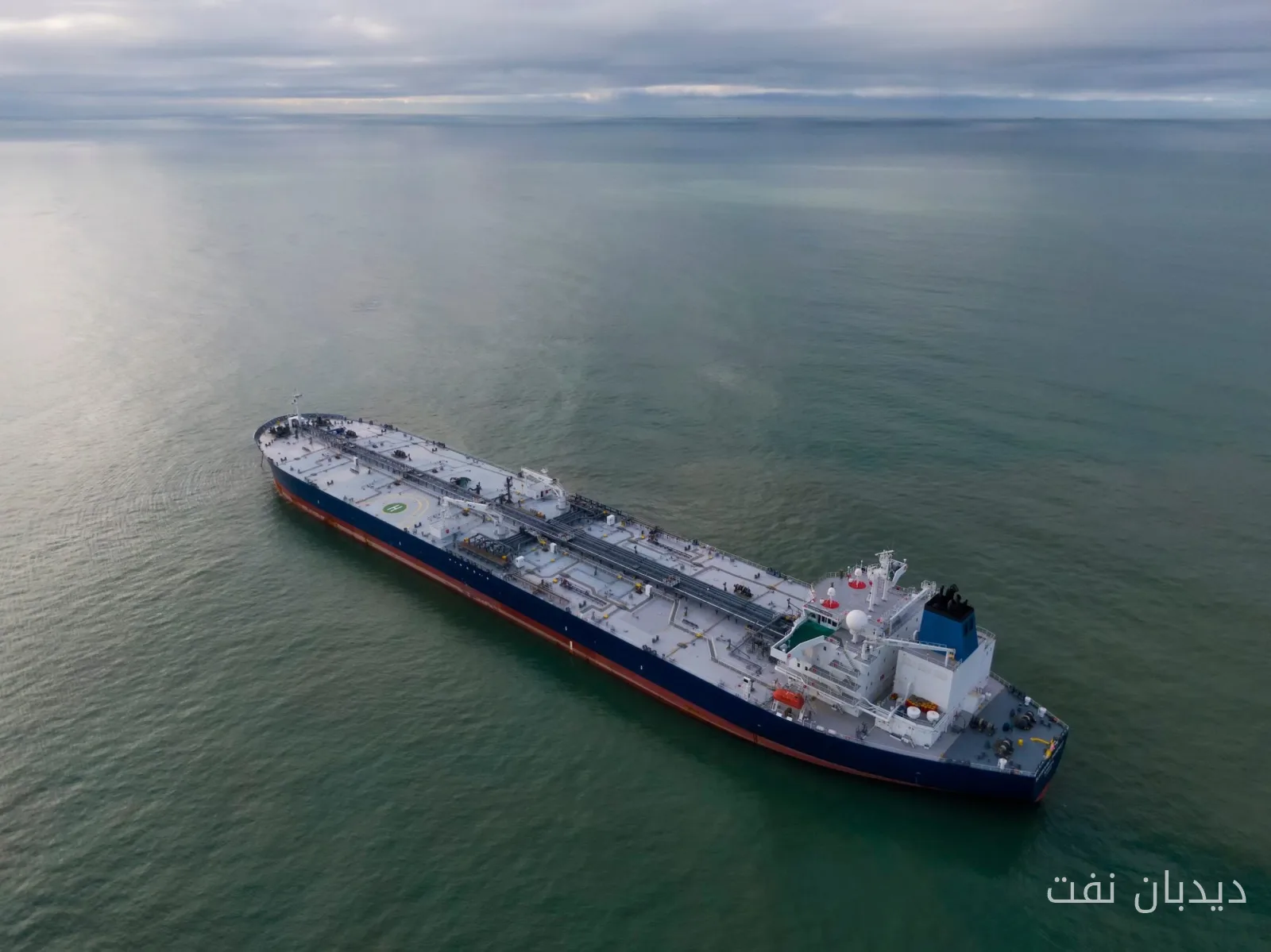
Trafigura (Trafigura Group) has recently acquired seven oil tankers from SFL Corp. This purchase comes at a time when transportation costs have significantly increased due to disruptions in the Strait of Hormuz and heightened risks in the Red Sea.
Details of the Tanker Purchase
Trafigura has purchased four LR2 product tankers built in 2014 and 2015, and three Suezmax tankers built in 2019 from SFL. These vessels will be delivered to Trafigura over the next six months. Additionally, SFL has announced that it has gained a profit of approximately $175 million from this transaction, although the sale price of the tankers has not been disclosed.
Increased Demand for Tankers and Its Consequences
The increased demand for ready-to-operate tankers has significantly raised the resale value of these vessels. For example, the value of a 10-year-old Aframax tanker was assessed at $72.5 million last week, while a similarly aged Suezmax tanker could be sold for $110 million. This price increase is due to recent crises in transportation and the urgent need for tankers.
Trafigura has also recently made its first public market entry by listing a tanker company named Volare Shipping Ltd. on the Oslo Stock Exchange. This move reflects the company's new strategy to expand its activities in the oil transportation market.
Challenges of Oil Transportation in the Region
Attacks on tankers in the Strait of Hormuz have reached their highest level since the onset of the Iran war. This situation coincides with increased efforts by Gulf producers to boost oil exports. For instance, Qatar is assembling a fleet of empty liquefied natural gas tankers in the Gulf, indicating the country's efforts to increase transportation through the Strait of Hormuz.
Moreover, Iran's crude oil reserves in Southeast Asia are rapidly depleting, while the U.S. maritime block prevents new shipments from leaving the Gulf. These conditions clearly illustrate the challenges facing the oil transportation industry and the impact of sanctions on the global oil market.



