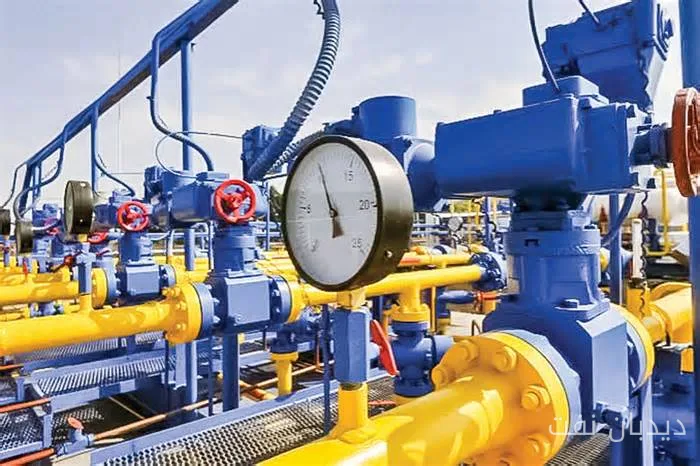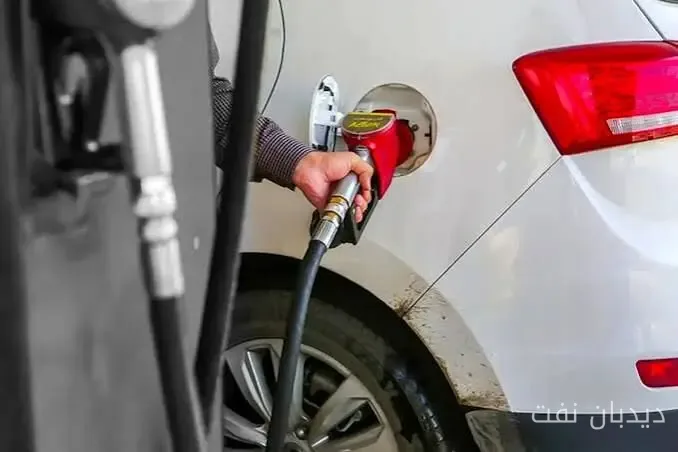
The Vice President presented a new scenario for managing gasoline imbalance, which includes rationing based on vehicle license plates and national ID cards. This scenario was implemented at a time when the country is facing an energy shortage and the status of strategic gasoline reserves has reached a critical level.
Current Challenges in the Gasoline Market
The current situation of subsidizing gasoline and diesel has led to a price difference of about 150 times (15,000 percent) across the border. This price disparity has caused widespread fuel smuggling and also security conflicts in the country's border regions. Given the current conditions, many officials and economic experts are concerned about the future of gasoline reserves and believe that soon, gas stations may be closed for several hours a day, and part of the fuel may be traded on the black market at unreasonable prices.
Read more: Government financial imbalance will be transferred to the banks' balance sheets
The New Scenario and Its Details
The Vice President has proposed three scenarios to address the issues of gasoline consumption imbalance: a) distribution up to production capacity and then shutting off the pump, b) rationing based on vehicle license plates, c) rationing based on individuals' national ID cards. The President's dialogue with the people indicated that ultimately the second scenario was chosen as the final solution and was implemented starting Tuesday (17/06/1405).
It seems that the selection of the second scenario, in the face of social and economic challenges, requires social persuasion. Historical experiences have shown that economic reforms without gaining the trust of the people lead to dead ends. Therefore, the government must pay special attention to creating transparency and building trust among the people alongside the implementation of this scenario.
As a solution, a combination of the second and third scenarios along with amendments has been proposed to allocate 60 liters of 1500 Toman quota to each vehicle and approximately 15 liters of gasoline to each Iranian individual. This plan could help increase transparency in fuel transactions and prevent fuel smuggling.
Overall, the new scenario aims to improve gasoline consumption and control prices in the market, seeking to reduce imbalance and enhance energy security in the country. This plan, if accompanied by complementary programs and transparency, could help improve the economic and social situation of the country.
Read more: Gholamhossein Soltani Mohammadi: Iran ranks 17th in flower and plant production and 107th in exports · Ofen Group is looking to order the construction of new container ships in China