The U.S. Navy is facing an unprecedented heavy burden in the Middle East, which is creating serious challenges for fleet maintenance and readiness due to long-term deployments and repeated extensions. This situation will lead to delays in maintenance and unexpected problems for the fleet.
Consequences of Long-Term Deployment
Vice Admiral James Kilby, the senior operations officer of the Navy, noted the problems arising from these long-term deployments in a meeting with the National Commission on the Future of the Navy, stating: "We are seeing high readiness rates because these ships are in the Middle East and have not yet returned to maintenance periods." This situation will result in delays in maintenance phases and issues in the fleet's production line.
Kilby added that to bring a ship back home after a long time, the Navy must manage the workload and delay some maintenance. "This is a part we need to talk about better and show: what will be the cost of this two-year extension, so decision-makers can see it and pay for it."
Impact on Military Sealift Command
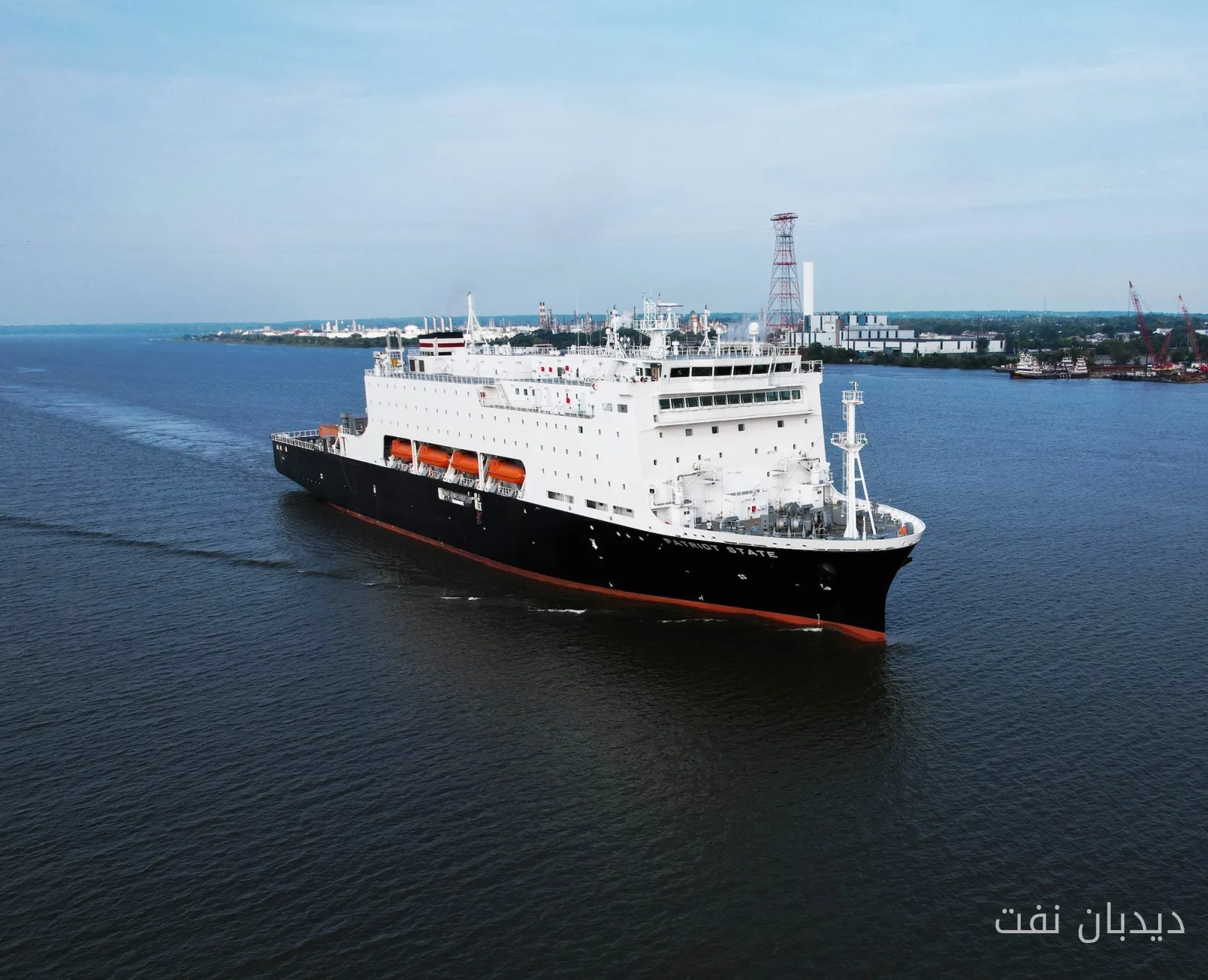
Kilby also pointed to the impact of long-term deployments on the Military Sealift Command (MSC). MSC ships are operated commercially, and this command is facing challenges in recruiting and retaining personnel. This comes as Congress has recently approved legal changes to provide more competitive pay for sailors, but long deployments in the Middle East offset these advancements.
Kilby stated: "Timely staffing is key to increasing sailors' confidence and their willingness to work for MSC, but now with the existing conflicts, this has been challenged."
The Navy hopes that future unmanned capabilities can help alleviate some of the workload on the fleet's workforce. Kilby suggested that a lighter task group, including unmanned surface and aerial vehicles, could meet regional command needs for lower-cost missions and give the fleet more opportunity to rebuild readiness.
However, Kilby emphasized that these changes will take time, and military commanders do not yet have this option available. He said: "We need to take this action and produce this capability for them to request it."
The Navy has recently ordered 30 unmanned surface vessels (MUSV) from three different contractors on a fast-tracked schedule. However, one commission member, Arthur "Trip" Barber, expressed concern that the Navy has not yet done enough to operationalize this unmanned capability.
Kilby also highlighted the new Navy Warfare Center for Robotic and Autonomous Systems (RASWDC) established near Norfolk, which is responsible for integrating MUSV capabilities into fleet operations.
Read more: Twentyfold increase in tanker revenues due to geopolitical crises