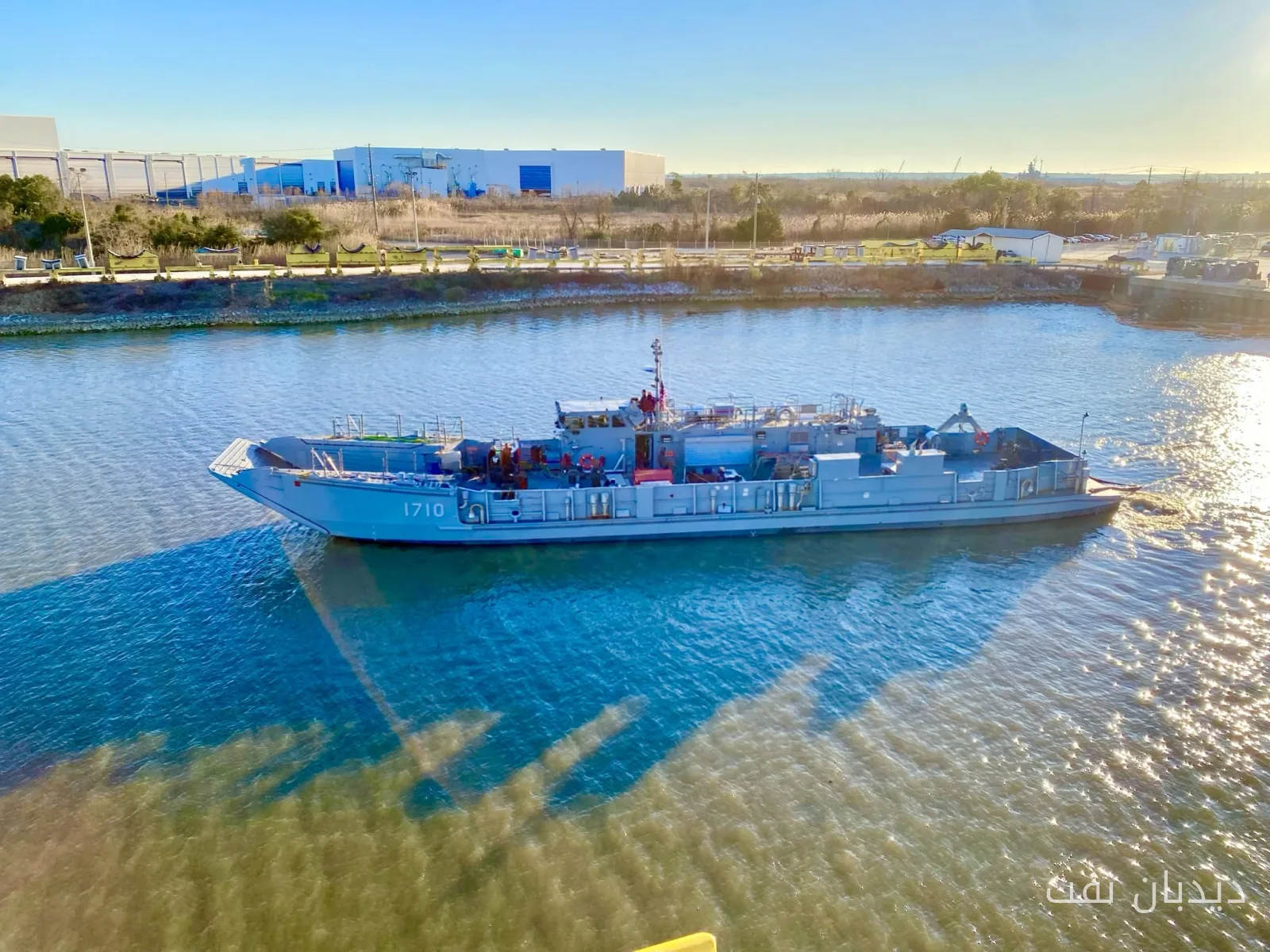
The U.S. Navy has awarded contracts worth $280 million for the construction of seven Landing Craft Utility (LCU) vessels to three new shipyards on the Gulf Coast. These shipyards include Master Boat Builders, Conrad Shipyard, and the future Saronic facility in Brownsville, named "Port Alpha." These contracts are part of the LCU-1700 program and are referred to as "prototypes."
Contract Details and History of LCU Vessels
The Navy has stated that the purpose of these contracts is to address the immediate needs of the Navy and to leverage new capacities in military vessel construction. The LCU 1700 vessels feature a more advanced design compared to the previous LCU 1610 class and offer enhanced capabilities including greater cargo capacity and improved crew accommodations. These vessels are being developed to replace older vessels that have been in service for over 50 years.
Read more: Increase in the Share of Students in Private Schools to 15% in Iran
Impact of Selecting New Shipyards on the Maritime Industry
The selection of Master Boat Builders, Conrad, and Saronic as new contractors allows the Navy to relieve pressure from larger contractors. This is while contractors like Austal and Fincantieri Marinette are engaged with larger projects. Master Boat Builders, which has previously worked as a subcontractor on various Navy projects, has now been chosen as the prime contractor for military vessel construction. This move signifies an expansion of the Navy's industrial capacity and the creation of a secondary supply source for LCU vessels.
According to plans, the delivery of the new vessels is set to begin in 2028 and 2029, with the average cost of each vessel estimated at around $40 million. These contracts are conducted under an Other Transaction Authority (OTA) agreement, which allows the Navy to respond more quickly to its needs.
Read more: The Government of Ukraine and Russia Agree to Cease Attacks on Energy Facilities · Development of Nigeria's Maritime Fleet with Dangote's Expansion Plans