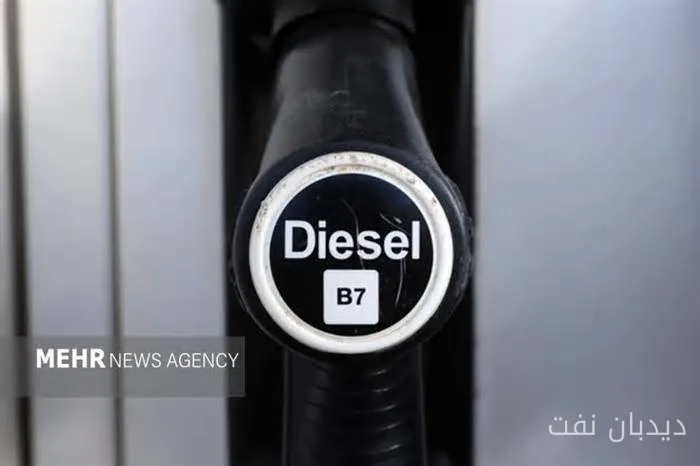
The U.S. government is considering a ban on diesel exports to control the unprecedented price increases in domestic and foreign markets. This action has been particularly raised in light of rising prices in the U.S. and Europe and political pressures ahead of the congressional elections.
Reasons for the Increase in Diesel Prices
Analysts trace the root of this crisis to geopolitical tensions. Military conflicts in the region between the U.S. and the Israeli regime with Iran, as well as the war between Russia and Ukraine, have led to a severe reduction in exports from major producers including Russia, Saudi Arabia, and the United Arab Emirates. This situation has driven diesel prices to unprecedented levels.
Read more: New Iranian Oil Tanker Shipment on a Sanctioned Route to Venezuela
Support for the Export Ban and Concerns
The government is assessing the feasibility of this ban and evaluating its effectiveness. In this context, some Republican candidates, including Dan Sullivan, Ashley Hinson, and Mike Rogers, have called for the implementation of this policy. Sullivan emphasized the need to prioritize American families, stating: "Fuel produced in America should be for domestic use so we can replenish storage tanks before winter."
However, this decision has faced serious warnings from senior energy officials. Chris Wright, the U.S. Secretary of Energy, warned about the negative impact of this action on coastal areas and the reduction of supply to European allies, stating: "Imposing a ban will lead to a surplus of diesel on the Gulf Coast and encourage refineries to reduce production rates, which will ultimately make gasoline scarce as well. We need more supply, not less."
Doug Burgum, the U.S. Secretary of the Interior, also expressed doubts about the impact of this action on reducing prices and warned of potential retaliatory reactions from energy-exporting countries. Additionally, oil industry activists have joined the opposition, believing that this action will harm domestic jobs and create fuel shortages.
Energy market analysts believe that while a ban on exports may temporarily reduce prices, it will seriously confront supply to Europe with a crisis and be very detrimental to U.S. allies.
Read more: Qatar Rejects Plans to Bypass the Strait of Hormuz for Gas Exports · Iranian Oil Tanker Shipment Identified on the Sanctions Route



