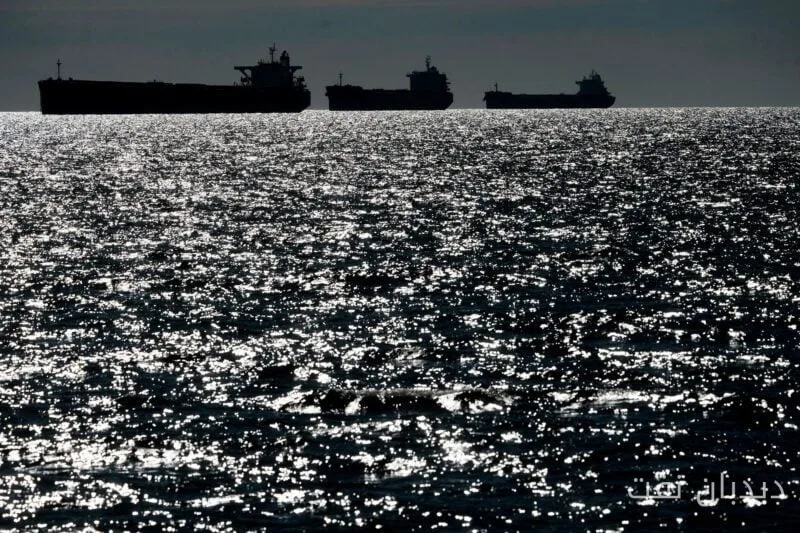
The United States' plan to revive sanctioned tankers in order to increase oil supply may attract only a portion of the shadow fleet, as existing contracts, complex compliance checks, and high shipping rates reduce the incentives for potential sellers.
Challenges of Reviving Tankers
This recently proposed measure is part of the ongoing efforts by the U.S. government to reduce oil and fuel prices following recent months of conflicts in the Gulf and the ongoing clashes between Russia and Ukraine. Concerns about rising fuel costs have particularly increased among American voters.
Read more: Ghaibi: The limitation on petrochemical gas has significant damages
However, given the limited number of sanctioned tankers available and the reluctance of sellers to miss out on lucrative opportunities in the Middle East, industry analysts believe that efforts to revive these tankers will face serious challenges.
Financial and Operational Barriers
The U.S. government has already removed some ships from the sanctions list, provided they meet specific conditions. For example, the tanker Kiara M, which was sanctioned in December for supporting Venezuela's oil trade, was removed from the list in March.
The currently under review plan faces multiple financial and operational barriers. Despite the increased resale value of ships in recent months, high shipping rates make ship owners more inclined to maintain their operations. Reports indicate that a large tanker passing through the Strait of Hormuz can earn up to $40 million per trip.
Additionally, operational challenges include the availability of ships and the dominance of the European Union and the UK over marine insurance, which could limit unilateral efforts. According to an expert, 70% of the sanctioned tankers are over 20 years old and hold little appeal for major traders.
It seems that any return to commercial capacity will occur gradually and not immediately. The U.S. government is attempting to lower oil prices by granting periodic exemptions on sanctioned oil and diesel export agreements with Russia. However, Brent oil prices remain close to the highest levels in the past five months, and the upward trend in shipping rates shows no signs of abating.
Read more: SK Lim appointed as the new CEO of G2 Ocean · Economic analyst: Agreement to lift sanctions is key to the Strait of Hormuz crisis