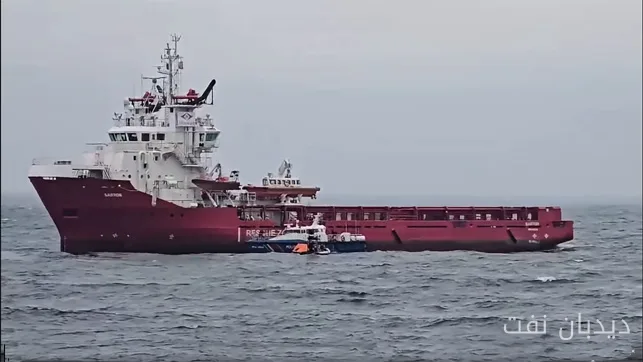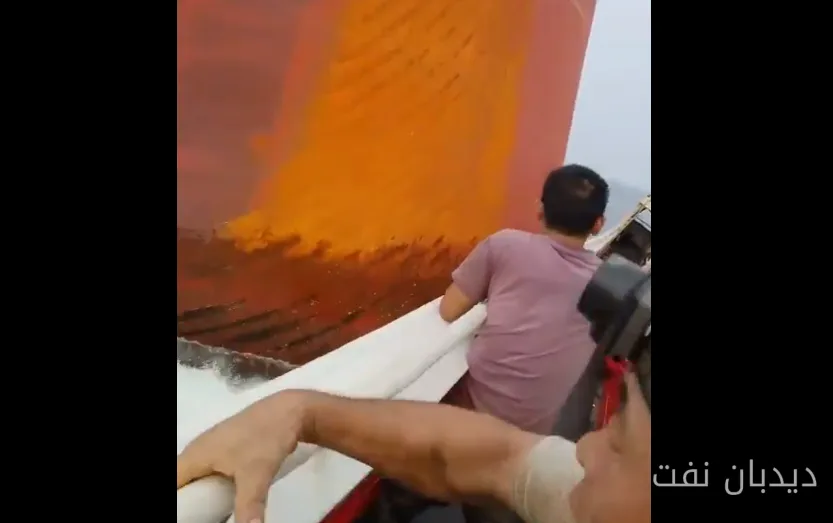
The tanker First Margaux departed from a busy port in eastern Singapore heading west at 08:00 GMT on September 17, 2026. At the same time, the Chinese fishing vessel Luqing Yuanyu 108 was also departing from another port near Sentosa heading south. At this time, maritime traffic was very heavy and there was not enough space for maneuvering.
Details of the Collision
Both vessels reached the western TSS (Traffic Separation Scheme) and were heading towards the Strait of Malacca. Luqing Yuanyu 108 entered the TSS line, and First Margaux, traveling at a speed of about 2 to 3 knots faster, slowly passed the fishing vessel on its left side. Around 09:00, the bow of First Margaux made contact with the right side of Luqing Yuanyu 108, pushing it sideways, causing the fishing vessel to tilt sharply to the left and water to enter it.
Read more: Iran appreciated Russia and China's veto in the Security Council
Consequences and Crew Status
Despite the severity of the collision, the fishing vessel Luqing Yuanyu 108 was able to send an AIS signal and remained visible on trackers. The vessel managed to reach a nearby dock, and no reports of injury or fatalities among the crew were released. After the collision, First Margaux continued on its course at a speed of 10 knots for another two hours before stopping and returning to port.
First Margaux is a tanker with a capacity of 80,000 tons of grain, owned by a Japanese company and managed by a Chinese company under the Panamanian flag. The vessel is three years old and has a clean inspection record. The recent collision with Luqing Yuanyu 108 drew attention to the dangers of maritime traffic and the need for greater caution in busy waters.
Read more: Russia and Ukraine's reciprocal attacks on energy infrastructure in September 2026 · Fire incident reported on tanker in the Strait of Hormuz