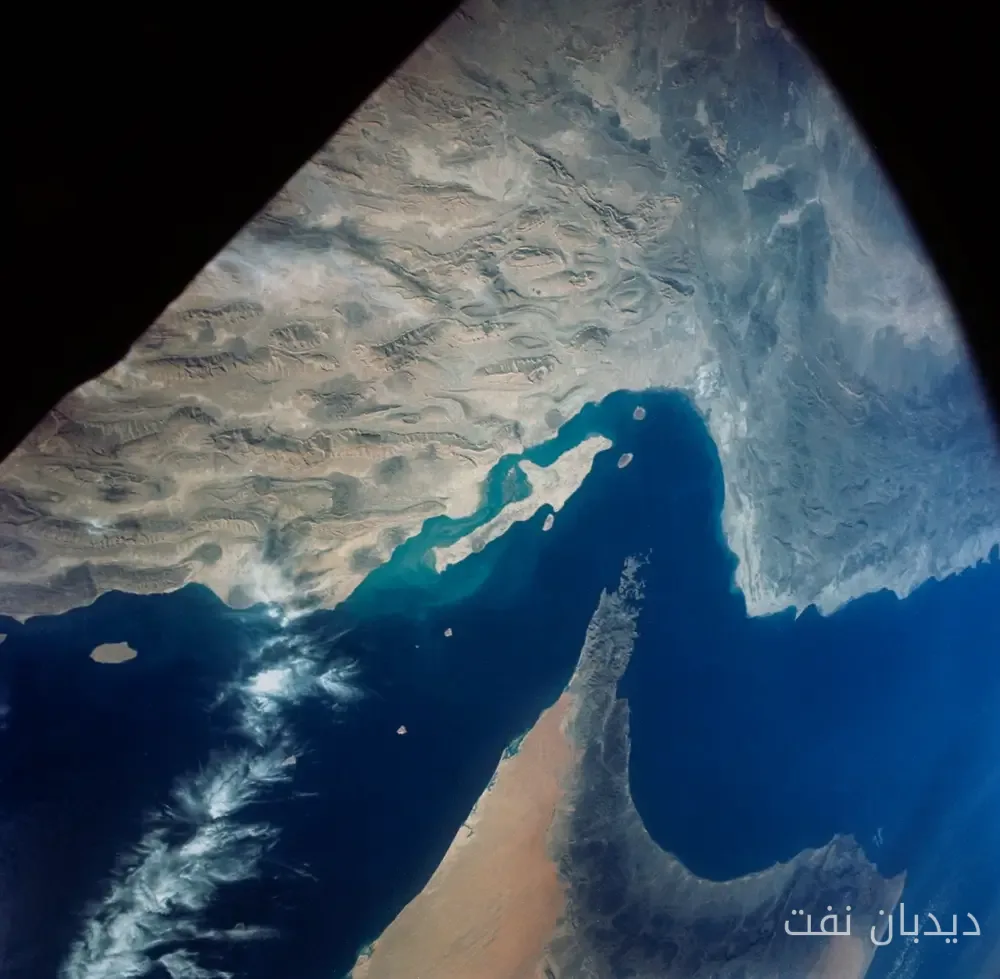
The Strait of Hormuz conference, which was supposed to be held to regulate navigation between Oman and Iran, was canceled due to fundamental disagreements between the two sides. Oman seeks to maintain freedom of navigation and the right of innocent passage based on agreements approved by the International Maritime Organization (IMO) since 1968. In contrast, Iran is trying to determine transit fees and gain the right to monitor traffic in the strait.
Fundamental Disagreements and Iran's Preconditions
Iran has recently put forward seven preconditions for its agreements, which appear to require a response from the United States. These preconditions are based on Iran's interpretation of the provisions of the June 17 memorandum of understanding between the United States and Iran. Many concerns of other Gulf Cooperation Council (GCC) countries are likely covered in these preconditions, rather than in the technical content of the agreement that Oman has reached with Iran for navigation in the Strait of Hormuz.
Reactions from Gulf Cooperation Council Countries
Bahrain has explicitly stated that it will refrain from participating in the conference if Iranian representatives are present. This country, which typically coordinates its foreign policy with Saudi Arabia, seems to object to some of the proposed technical agreements for the new transit program in the strait. While the United Arab Emirates has not officially announced that it will refrain from participating in the conference, it is likely to take a similar stance to Bahrain.
An Emirati analyst has indirectly expressed criticism of Oman's "never stop" philosophy in negotiations. This commentator noted that diplomacy in foreign policy should be accompanied by strength and judgment in defending sovereignty and national interests.
Consequences of the Conference Cancellation
The cancellation of the conference reflects a rift in the interests of the United States and Gulf countries. The United States seeks to end the war with Iran only by regaining some controls over this country's nuclear capabilities, while Gulf countries are concerned about their economic situation and national welfare due to threats from Iran's expansionism and drone and missile attacks. This situation indicates that Gulf countries have not succumbed to Iranian pressures and are striving to create new options instead of yielding to current conditions.
It seems that there will not be significant changes for navigators in the Strait of Hormuz in the near future, except that Iran is likely to increase its attacks on ships, U.S. regional bases, and Gulf Cooperation Council infrastructure.
Read more: Iraqi: U.S. Efforts to Influence Iran's Energy Market · Masoud Pezeshkian: Iran Will Not Surrender to Pressures