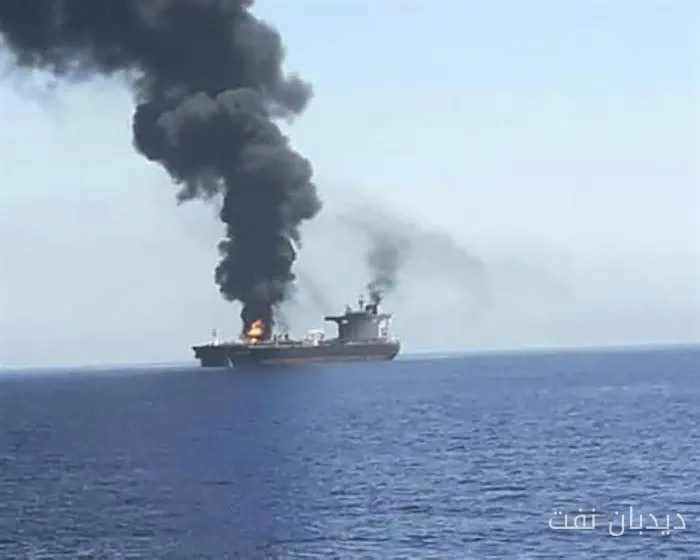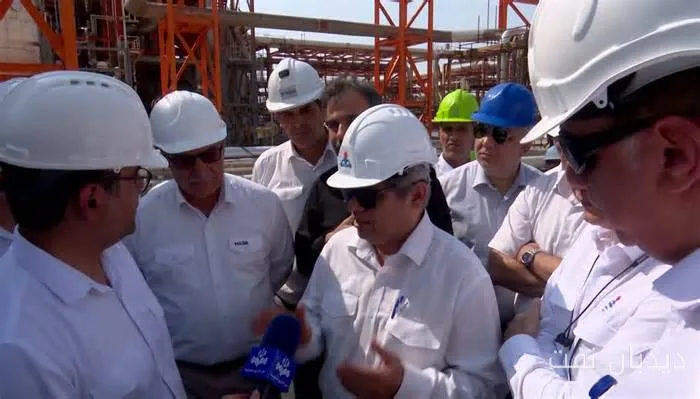
The reconstruction project of the damaged oil facilities and warehouses in the country is nearing its final stages at an unprecedented speed. This project, designed to repair and renovate the oil infrastructure damaged by war, has achieved remarkable results by setting unprecedented records in operational execution.
Challenges and Solutions
The oil infrastructure reconstruction project has faced numerous challenges despite the limitations caused by wartime conditions and the Nowruz holidays. These challenges include securing financial resources, obtaining equipment and specialized human resources, as well as logistical problems in transporting equipment to the desired locations. However, the execution teams have managed to accelerate the reconstruction process by utilizing innovative solutions and optimal resource management.
Read more: The U.S. Identified Five Cuban Oil Tankers Under New Sanctions
Results and Implications of the Project
The results of this project will not only help improve the country's oil infrastructure but can also have positive economic impacts. By reconstructing oil facilities and warehouses, the possibility of increasing oil production and exports will be provided, which can help strengthen the country's economic position. Additionally, this project can lead to job creation in the affected areas and improve the living conditions of the residents in those regions.
The oil infrastructure reconstruction project, as a strategic action aimed at strengthening infrastructure and increasing the country's economic capacity, can ultimately be regarded as an example of national success in difficult conditions. Given the progress made, it is expected that this project will reach the operational stage in the near future, and its results will be observable in the short term.
Read more: Receipt of a New Shipment of Iranian Oil Tanker on October 7, 2023 · The Long-Term Contract of the Oil Tanker Eskandi Olinda for Work with Petrobras Has Been Extended