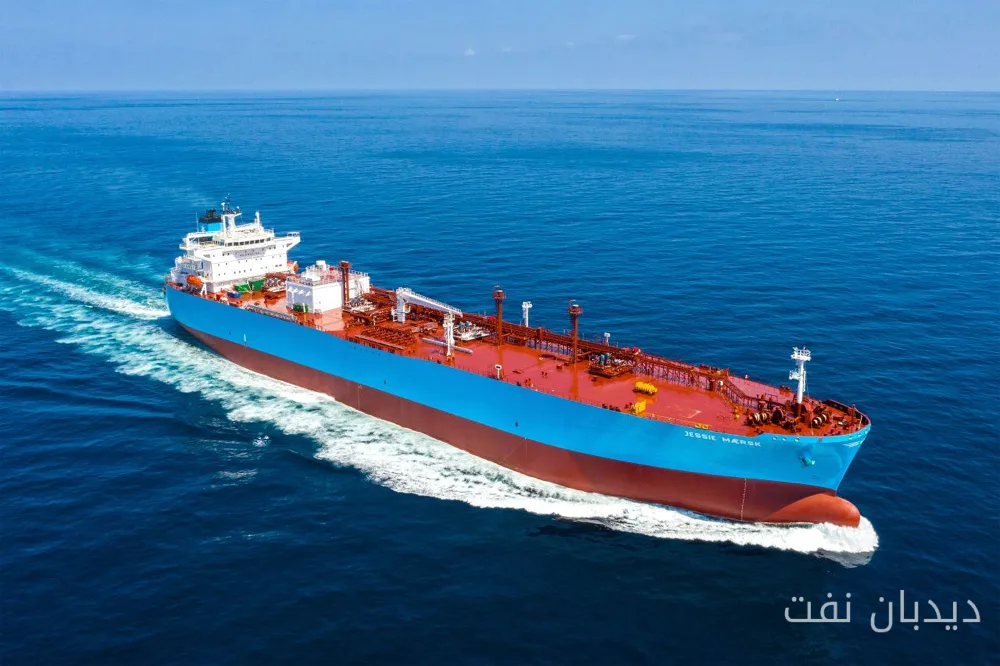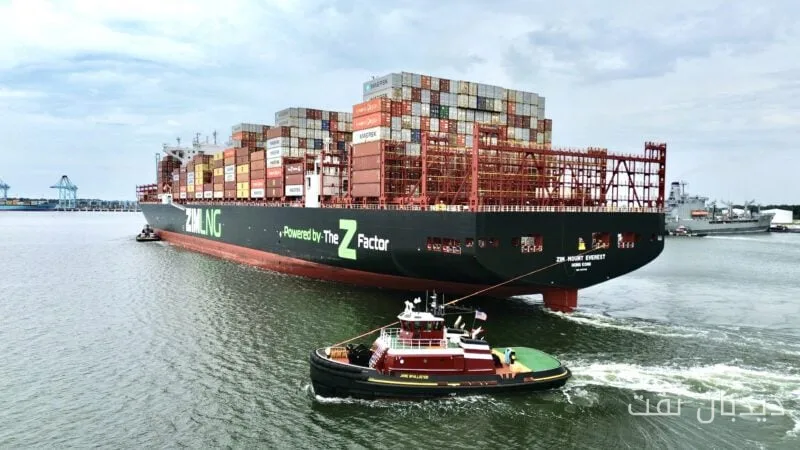
The number of dual-fuel ships worldwide has reached 503, while shipowners have invested over $200 billion in vessels capable of using alternative fuels.
Significant Increase in Dual-Fuel Ships
According to new statistics, 503 dual-fuel ships are currently in service, representing a 41% increase from 358 vessels last year. Additionally, 849 more ships are on order, bringing the total to 1,352 vessels. These figures indicate the scale of investment currently taking place in the maritime transport industry, which is striving to move towards lower carbon-emitting fuels.
Read more: Seaway 7 Selected as the Main Supplier for the Berwick Bank B Wind Project
Challenges Facing the Industry
Despite these investments, uncertainty regarding future environmental regulations remains evident. According to Joe Kramick, CEO of the Maritime Transport Council, dual-fuel ships require alternative fuels at competitive prices to realize their potential in reducing greenhouse gas emissions. These ships are designed to operate on both conventional and alternative fuels, providing operators with greater flexibility.
Moreover, 65% of container ships and 97% of car carriers currently on order are capable of using alternative fuels. In contrast, the share of other ships in the global fleet is only 23%. However, orders for conventional fuel ships have also increased over the past year, while total orders continue to expand.
Need for a Global Legal Framework
The Maritime Transport Council believes that a global legal framework is essential to reduce the price gap between conventional and renewable, low-emission fuels. The absence of an international agreement could lead to the establishment of a patchwork of regional regulations, resulting in increased costs and complexity in global maritime transport. Joe Kramick emphasized that "the ships ordered today will be in operation for decades, and shipping companies and fuel producers need certainty to make necessary investments."
The International Maritime Organization (IMO) will hold its next Marine Environment Protection Committee meeting from November 30 to December 3, and a session to continue negotiations on the carbon neutrality framework is likely to take place on December 4. Joe Kramick expressed hope that IMO member countries could reach an agreement, stating, "Any delay means increased uncertainty and makes the transition to cleaner fuels more difficult and costly."
Read more: Significant Growth in the Global Shipbuilding Industry with China's Dominance in the Market · Debate Over Oil Feedstock Rates: National Interests or Investment Security