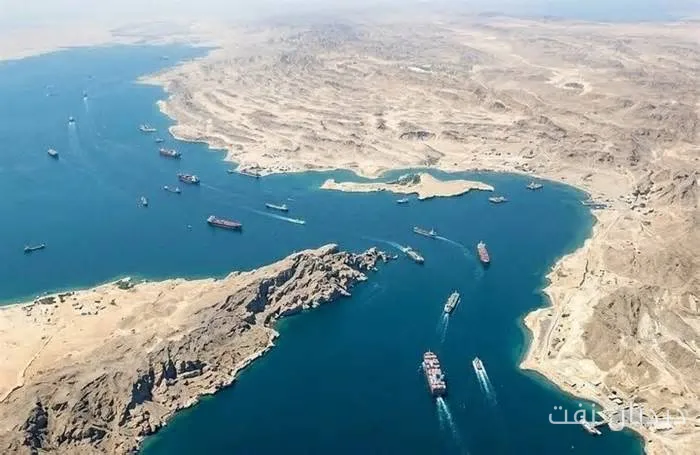
The National Security and Foreign Policy Commission of the Islamic Consultative Assembly announced yesterday that the review of the provisions related to the Hormuz Strait plan has been completed. This plan, designed to ensure security in this strategic maritime area, has multiple dimensions in the economic, political, and military fields.
Details of the Hormuz Strait Plan
The Hormuz Strait plan is presented as a strategic action aimed at protecting national interests and maritime security. This plan includes various proposals regarding strengthening maritime security, increasing oversight of maritime routes, and international cooperation in this area. Some provisions of the plan also address potential sanctions and their impact on the country's maritime trade.
Read more: TotalEnergies and Socar agreement for gas exports to Turkey
Potential Consequences
The completion of this plan's review could have significant implications for Iran's foreign policy and national security. Experts believe that the approval of this plan could strengthen Iran's position in international negotiations and, at the same time, lead to stability in the Hormuz Strait region, which is one of the most vital oil and gas transportation corridors in the world. Additionally, this plan could help increase international cooperation in maritime security and combat terrorist threats.
In this regard, the National Security Commission has announced that it is also reviewing international reactions to this plan. This review could assist in future decision-making regarding foreign and security policies and place Iran in a better position against international challenges.
Read more: New shipments of tankers to Europe based on global sanctions · Sanctions on Iranian tankers have intensified on international routes



