The Ministry of Agricultural Jihad has taken on the responsibility of supplying fuel for agricultural machinery following the approval of the new law supporting and removing production barriers. This law, which has been approved by the Islamic Consultative Assembly and confirmed by the Guardian Council, aims to improve structures and processes in the agricultural sector and includes 12 articles and 14 notes.
Changes in Fuel Supply
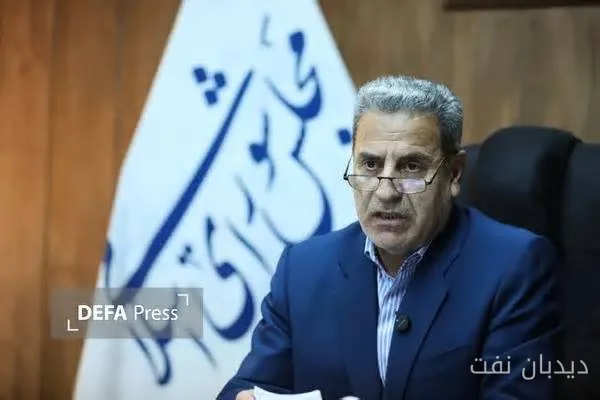
Hoshang Hadianpour, spokesperson for the Agricultural Commission of the Parliament, discussed changes in the mechanism for supplying fuel for agricultural machinery in his recent press conference. Previously, fuel supply was assigned to the Ministry of Oil, which, in coordination with the Anti-Smuggling Headquarters, provided a quota to the Ministry of Agricultural Jihad. However, in many cases, the amount of fuel allocated did not meet the needs of the agricultural sector.
Read more: Koroush Khosravi: The burden of energy imbalance should not fall on the production sector
According to the new law, the Ministry of Agricultural Jihad has been appointed as the authority for supplying fuel for agricultural machinery and can collaborate with the Ministry of Oil and related companies to provide the necessary fuel. This change is aimed at increasing productivity and removing production barriers in the agricultural sector.
Supply of Essential Goods and Consumption Management
Hadianpour also referred to the supply of essential goods, stating that solutions have been devised for importing essential goods as needed by the country. Currently, maritime shipments and air transport are underway, but the Islamic Republic of Iran has land connections and shared borders with about 15 countries, which can assist in supplying essential goods during crises.
He also emphasized that the country's strategic reserves are in good condition and that appropriate management regarding consumption and savings is necessary. This management, alongside meeting essential needs through various borders, can help improve the supply situation of essential goods.
Overall, the reforms anticipated in this law aim to increase the production of essential products, reduce imports, and remove production barriers in the agricultural sector. The target for reducing agricultural product imports by 50% over the next four years is also among the objectives of this law.
Read more: The gasoline imbalance equation in Iran will change with increased CNG consumption · The use of solar panels in Kerman agriculture is gaining momentum